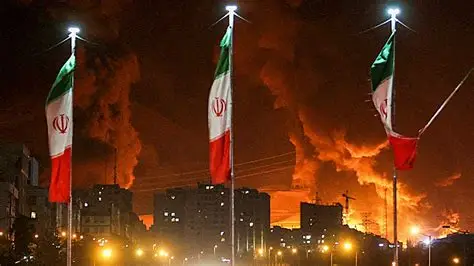
Residents in Tehran continue their daily routines despite ongoing conflict and air strikes.
Snow covered parts of the city on Tuesday night. The snowfall followed several days of dark skies after attacks on oil facilities caused heavy smoke and polluted rain.
Even with the tension, many young Iranians say they are trying to continue living their lives.
Coping With Stress During War
Sahar, a woman in her 20s, said she spends most of her time inside her home in Tehran.
She cooks meals, reads books, and plays simulation video games to distract herself from the constant stress.
Sahar explained that the war has strangely affected her creativity.
She said she now spends time designing more beautiful houses in the game while trying to manage anxiety.
The young woman also shared tragic news. A former schoolmate recently died during the conflict.
She said the body had not yet been recovered, which made the news even more painful.
Sahar questioned why young people must experience such tragedy during the best years of their lives.
She hopes the conflict will end before the arrival of Nowruz.
A Quiet City Before the New Year
Nowruz is one of the most important celebrations in Iran. It marks the start of spring and usually fills markets and streets with people preparing for the holiday.
Families often gather, and shops sell sweets and nuts for visitors.
However, many residents say the atmosphere feels completely different this year.
Peyman, a man in his 30s, described the capital as unusually quiet.
He said the city’s metro system is almost empty. Many seats remain unused during trips.
The streets also remain calm. According to him, people could easily play football in the middle of the road because of the lack of traffic.
Life Disrupted by Bombings
Another resident said the bombings have completely changed his sleep schedule.
He now goes to sleep early in the morning after the night attacks end.
He usually wakes up in the afternoon and only leaves home when necessary to buy groceries.
Tehran and its surrounding province have a population of around 14 million people.
However, some residents have left the city since air strikes began on 28 February.
The attacks followed military actions by the United States and Israel against Iran.
Many families traveled north toward the Caspian Sea, where conditions remain calmer.
Leaving Tehran for Safety
Mina, another woman in her 20s, decided to leave Tehran with her family.
They travelled to the city of Rasht to stay with relatives.
At first, she hesitated because her best friend chose to stay in Tehran.
Mina remembered the night when oil depots were struck in the capital.
She said the explosions caused their apartment building to shake. Bright flashes outside the windows made the night sky look like daylight.
The next day, her family finally left the city.
She said their car was covered in stains from polluted rain caused by smoke in the air.
Her best friend remained in Tehran, but the two talk on the phone every day.
They often discuss plans for the future and imagine what they will do once the war finally ends.