

Sign In
The News Ink
  • Technology
  • Anime
  • Sports
  • Business
  • Beauty & Fashion
  • Daily News
  • More
    • Lifestyle
    • Bizarre
    • Current Affairs
    • Entertainment
    • Health
    • Opinion
    • Science
    • Travel
Reading: China Passes Ethnic Unity Law Requiring Minority Children to Learn Mandarin
Share
The News InkThe News Ink
Font ResizerAa
  • Travel
  • Opinion
  • Science
  • Technology
  • Beauty & Fashion
Search
  • Home
    • Home 1
    • Home 2
    • Home 3
    • Home 4
    • Home 5
  • Categories
    • Technology
    • Opinion
    • Travel
    • Beauty & Fashion
    • Science
    • Health
  • Bookmarks
  • More Foxiz
    • Sitemap
Have an existing account? Sign In
Follow US
© 2022 Foxiz News Network. Ruby Design Company. All Rights Reserved.
The News Ink > Blog > Current Affairs > China Passes Ethnic Unity Law Requiring Minority Children to Learn Mandarin
Current Affairs

China Passes Ethnic Unity Law Requiring Minority Children to Learn Mandarin

Dowry Lane
Last updated: March 12, 2026 9:11 am
Dowry Lane
Share
A Tibetan monastery with prayer wheels representing minority culture in China.
Minority communities in China fear new language policies could affect their cultural traditions.
SHARE

CHINA has approved a new law aimed at promoting what officials call “ethnic unity.”

Contents
New Education Rules for Minority StudentsCritics Warn of Cultural ImpactGovernment Defends the PolicyFocus on National IntegrationOngoing Human Rights ConcernsDebate Over Cultural Identity

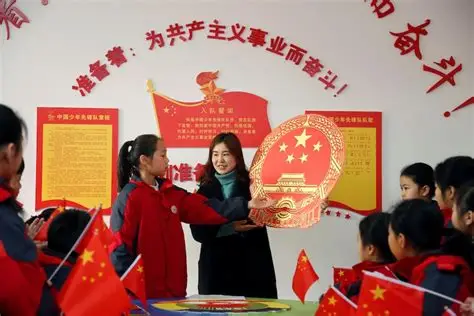
The legislation requires children from ethnic minority groups to learn Mandarin Chinese from early childhood through high school.

Supporters say the law will strengthen national unity. Critics argue it may weaken the cultural identity of minority communities.

New Education Rules for Minority Students

The new law requires schools to teach Mandarin to all children before they enter kindergarten and continue the instruction throughout their school years.

Previously, students in some regions could study many subjects in their native languages.

These languages include Tibetan language, Uyghur language, and Mongolian language.

The legislation was approved during the annual session of the National People’s Congress in Beijing.

The parliament has never rejected a proposal presented during its sessions.

Critics Warn of Cultural Impact

Some scholars and activists believe the law could reduce linguistic diversity.

Magnus Fiskesjö said the policy reflects a major shift in China’s approach to ethnic diversity.

He argued that such policies could force future generations to lose their traditional languages and cultural practices.

Critics say the law could limit how minority communities preserve their heritage.

Government Defends the Policy

Chinese officials say Mandarin education will improve opportunities for minority students.

They argue that stronger Mandarin skills will help young people access better jobs and economic opportunities.

Authorities also say the law supports modernisation and national unity.

The policy is part of a broader strategy often described as the “sinicisation” of ethnic minorities.

Focus on National Integration

The majority of China’s population belongs to the Han Chinese community. This group represents more than 90% of the country’s 1.4 billion people.

The government has increasingly encouraged minority groups to integrate into the broader national identity.

These policies have drawn international attention in regions such as Tibet, Xinjiang, and Inner Mongolia.

Ongoing Human Rights Concerns

Human rights groups have long raised concerns about policies affecting minority communities.

In Tibet, authorities have tightened control over religious institutions and monasteries linked to Dalai Lama.

In Xinjiang, international organisations have accused the Chinese government of detaining large numbers of Uyghur Muslims in facilities described as “re-education camps.”

United Nations reports have also highlighted alleged human rights violations in the region.

Beijing denies these accusations and says its policies aim to combat extremism and improve economic development.

Debate Over Cultural Identity

Experts say the new law reflects the approach of Chinese leader Xi Jinping toward building a unified national identity.

Some analysts believe the policy could increase pressure on minority communities to adopt the dominant Han culture.

Others say it will strengthen social integration and improve economic opportunities across the country.

The debate over the law highlights the continuing tension between national unity and cultural diversity in China.


Subscribe to Our Newsletter

Subscribe to our newsletter to get our newest articles instantly!

[mc4wp_form]
TAGGED:China Passes Ethnic Unity Law Requiring Minority Children to Learn Mandarin
Share This Article
Twitter Email Copy Link Print
Previous Article Residents walking through quiet streets in Tehran during the ongoing conflict. Young Iranians Continue Daily Life as War Disrupts Tehran
Next Article Teenage modelling portfolio photo representing a young model recruited during a modelling contest. Brazilian Women Say Epstein Used Modelling Network to Recruit Young Girls
Leave a comment

Leave a Reply Cancel reply

You must be logged in to post a comment.

Editor's Pick

Hot News

US jobs report April 2026 Bureau of Labor Statistics employment data

US Jobs Report April 2026: Economy Beats Forecasts for Second Straight Month as Labour Market Holds Firm

The US jobs report April 2026 delivered another positive surprise…

May 9, 2026

Carvana’s 5-for-1 Stock Split: What Investors Need to Know About CVNA Shares

Carvana’s 5-for-1 Stock Split Explained: What…

May 9, 2026

Stock Market Movers: Rocket Lab, Akamai, Block and AI Plays Drive Friday’s Biggest Gains

Stock Market Movers Friday: AI and…

May 8, 2026

DRAM ETF Ignites: $1B Daily Haul Fuels AI Memory Mania

Roundhill Memory ETF Skyrockets with $1…

May 8, 2026

AMD Stock Surge Highlights Growing Demand for AI Chips as Investors Hunt for Undervalued Semiconductor Plays

AMD Revenue Surge Signals New Phase…

May 8, 2026

You Might Also Like

Russia Ukraine three-day ceasefire 2026 Trump announcement Victory Day
Current Affairs

Russia Ukraine Three-Day Ceasefire 2026: Trump Secures Truce and 1,000-Prisoner Swap as Victory Day Tensions Peak

The Russia Ukraine three-day ceasefire 2026 became reality on Saturday after US President Donald Trump announced a temporary truce between…

15 Min Read
US Iran ceasefire deal 2026 Strait of Hormuz diplomatic negotiations Marco Rubio
Current Affairs

US Iran Ceasefire Deal 2026: Rubio Waits for Tehran’s Answer as Hormuz Violence and Diplomacy Run in Parallel

The US Iran ceasefire deal 2026 remains uncertain and deeply fragile after US Secretary of State Marco Rubio confirmed on…

12 Min Read
Israel Beirut strike 2026 aftermath of Israeli airstrike on Lebanese capital
Current Affairs

Israel Beirut Strike 2026: 31 Dead and 149 Injured as Regional Conflict Escalates Following Hezbollah Attack

The Israel Beirut strike 2026 has killed at least 31 people and injured 149 others after Israeli jets bombed Lebanon's…

13 Min Read
Iranian Foreign Minister Abbas Araghchi speaks as tensions rise between Iran and the United States in the Strait of Hormuz.
Current Affairs

Iran Condemns US Escalation as Strait of Hormuz Tensions Threaten Fragile Ceasefire

Iran Accuses US of Escalating Conflict as Strait of Hormuz Crisis Deepens Tensions between Iran and the United States intensified…

10 Min Read
The News Ink

Categories

  • Anime
  • Beauty & Fashion
  • Bizarre
  • Business
  • Current Affairs

Explore

  • Daily News
  • Entertainment
  • Health
  • Lifestyle
  • Opinion

More

  • Science
  • Sports
  • Technology
  • Travel

Legal Docs

  • Home
  • About Us
  • Contact
  • Blog
  • Privacy Policy
  • Terms and Conditions

© The News Ink. All Rights Reserved.

Go to mobile version
Welcome Back!

Sign in to your account

Register Lost your password?