



Sign In
The News Ink
  • Technology
  • Anime
  • Sports
  • Business
  • Beauty & Fashion
  • Daily News
  • More
    • Lifestyle
    • Bizarre
    • Current Affairs
    • Entertainment
    • Health
    • Opinion
    • Science
    • Travel
Reading: India’s Supreme Court Allows Removal of Life Support in Landmark Passive Euthanasia Case
Share
The News InkThe News Ink
Font ResizerAa
  • Travel
  • Opinion
  • Science
  • Technology
  • Beauty & Fashion
Search
  • Home
    • Home 1
    • Home 2
    • Home 3
    • Home 4
    • Home 5
  • Categories
    • Technology
    • Opinion
    • Travel
    • Beauty & Fashion
    • Science
    • Health
  • Bookmarks
  • More Foxiz
    • Sitemap
Have an existing account? Sign In
Follow US
© 2022 Foxiz News Network. Ruby Design Company. All Rights Reserved.
The News Ink > Blog > Current Affairs > India’s Supreme Court Allows Removal of Life Support in Landmark Passive Euthanasia Case
Current Affairs

India’s Supreme Court Allows Removal of Life Support in Landmark Passive Euthanasia Case

Dowry Lane
Last updated: March 11, 2026 6:56 pm
Dowry Lane
Share
Harish Rana’s mother caring for him while he lies in bed in a vegetative state
Harish Rana’s mother sits beside her son, who has been in a vegetative state since 2013.
SHARE

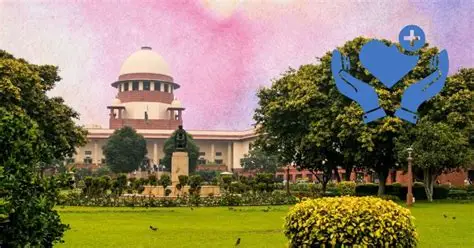
In a landmark decision, the Supreme Court of India has allowed the withdrawal of life support for a 31-year-old man who has remained in a vegetative state for more than ten years.

Contents
A Decade in a Vegetative StateFamily’s Long Legal BattleIndia’s Passive Euthanasia LawAbsence of a Living WillMedical Boards’ AssessmentEthical Debate in India

The ruling marks the first time a court in India has approved passive euthanasia in such a case.

A Decade in a Vegetative State

The patient, Harish Rana, suffered severe head injuries after falling from a fourth-floor balcony in 2013. At the time, he was an engineering student at Punjab University.

Since the accident, Rana has remained in a coma-like condition. Doctors say he cannot speak, see, hear, or recognise anyone.

He breathes through a tracheostomy tube and receives food through a gastrostomy tube. His parents have cared for him since the accident.

Family’s Long Legal Battle

Rana’s parents approached courts several times over the years. They requested permission to remove life support for their son.

They told local media that they had spent all their savings on his care. They also worried about who would look after him after their death.

Rana’s father, Ashok Rana, thanked the court after the ruling.

“This was a very difficult decision for our family. But we believe it is the best decision for Harish,” he said.

India’s Passive Euthanasia Law

India legalised passive euthanasia in 2018. However, active euthanasia remains illegal.

Passive euthanasia allows doctors to withdraw or withhold life-sustaining treatment in certain situations. Active euthanasia involves intentionally causing a person’s death and is prohibited under Indian law.

A key element of passive euthanasia is a living will. This document allows adults to state their medical preferences if they become terminally ill or unable to communicate.

For example, a person can specify that they do not want to be kept alive on life-support machines.

Absence of a Living Will

In Rana’s case, no living will existed because he was unconscious immediately after the accident.

Because he could not express his wishes, the courts had to rely on medical evaluations.

Judges noted that Rana shows sleep-wake cycles but does not interact meaningfully with others. He also depends entirely on caregivers for daily activities.

Medical Boards’ Assessment

Two medical boards examined Rana’s condition before the final decision.

Doctors concluded that he had permanent brain damage and almost no chance of recovery. They also reported serious complications such as severe bed sores.

Under Indian law, medical boards must confirm that a patient meets strict conditions before life support can be withdrawn.

The Supreme Court’s order now allows doctors to use their clinical judgement to withdraw treatment.

Ethical Debate in India

Rana’s case has sparked debate across India.

Some experts argue that allowing passive euthanasia without a living will raises ethical questions about personal choice.

Others believe the decision respects the dignity of patients who have no hope of recovery.

The ruling is expected to influence future cases involving end-of-life care and medical ethics in India.

Subscribe to Our Newsletter

Subscribe to our newsletter to get our newest articles instantly!

[mc4wp_form]
TAGGED:India’s Supreme Court Allows Removal of Life Support in Landmark Passive Euthanasia Case
Share This Article
Twitter Email Copy Link Print
Previous Article US soldier patrolling a street during the Iraq War Trump’s Call for Iran Uprising Revives Lessons from the 1991 Iraq Rebellion
Next Article Palestinian villagers stand near the site where a man was killed during a settler attack in the West Bank. EU and UK Urge Israel to Stop Rising Settler Violence in the West Bank
Leave a comment

Leave a Reply Cancel reply

You must be logged in to post a comment.

Editor's Pick

Hot News

Fuel pumps in the Philippines as government declares energy emergency

Philippines Declares Energy Emergency as Iran Conflict Drives Fuel Prices Higher

The Philippines has declared a national energy emergency, becoming the…

March 25, 2026

ABC Journalists Stage First Strike in Two Decades Over Pay and Working Conditions

Hundreds of journalists walked off the…

March 25, 2026

OpenAI Closes Sora AI Video App and Moves Away from Disney Collaboration

OpenAI has shut down its AI…

March 25, 2026

BlackRock CEO Warns $150 Oil Could Trigger Global Recession

BlackRock CEO Larry Fink has warned…

March 25, 2026

Oil Prices Fall Amid US-Iran Peace Talks and Strait of Hormuz Updates

Oil prices dropped sharply after US…

March 25, 2026

You Might Also Like

Oil prices rising toward $150 could trigger global economic recession
Current Affairs

$150 Oil Price Could Push Global Economy Into Recession, Says BlackRock CEO

The global economy could face a serious downturn if oil prices rise to $150 per barrel, according to BlackRock CEO…

2 Min Read
Mette Frederiksen addressing supporters after Denmark election results
Current Affairs

Danish PM Mette Frederiksen Faces Coalition Battle After Weak Election Result

METTE FEDERKSEN secured the largest share of votes in Denmark’s 2026 general election, but her party suffered its worst result…

2 Min Read
Indian workers training in Germany for skilled trade jobs
Current Affairs

Germany Faces Worker Shortage and Turns to India for Skilled Talent

GERMANY is facing a growing shortage of skilled workers as older employees retire and fewer young people enter trades. To…

3 Min Read
Oil facility and conflict zone highlighting Iran war impact on global rules
Current Affairs

Iran War Challenges Global Rules as Conflict Redefines International Norms

The ongoing conflict involving Iran, the United States, and Israel is raising serious concerns about the future of international law.…

3 Min Read
The News Ink

Categories

  • Anime
  • Beauty & Fashion
  • Bizarre
  • Business
  • Current Affairs

Explore

  • Daily News
  • Entertainment
  • Health
  • Lifestyle
  • Opinion

More

  • Science
  • Sports
  • Technology
  • Travel

Legal Docs

  • Home
  • About Us
  • Contact
  • Blog
  • Privacy Policy
  • Terms and Conditions

© The News Ink. All Rights Reserved.

Welcome Back!

Sign in to your account

Register Lost your password?