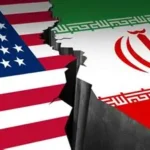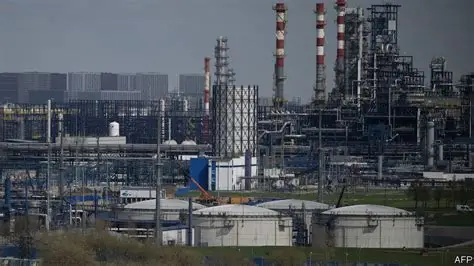
Countries in the Group of Seven are preparing for a major release of emergency oil reserves. Leaders want to calm rising energy prices after the war involving United States, Israel, and Iran disrupted global supplies.
The International Energy Agency (IEA) has asked its member countries to coordinate the largest oil market intervention in history.
Supply Disruptions Push Prices Higher
The conflict has severely affected shipments through the Strait of Hormuz. This narrow waterway carries around one-fifth of the world’s oil supply.
Exports through the route have nearly stopped, and regional production has dropped. As a result, global oil prices surged when the conflict began.
Prices later stabilised after reports that countries might release emergency reserves.
Proposal to Release 400 Million Barrels
The IEA has asked its 32 member states to release about 400 million barrels of oil. According to Katherina Reiche, the amount would be more than double the reserves released after Russian invasion of Ukraine in 2022.
However, all member countries must approve the decision before the plan can move forward.
Germany has already signalled support for the proposal. Reiche said the country would contribute as part of the IEA’s principle of international energy solidarity.
Countries Begin Preparing Reserves
Several countries have already announced their participation.
Both Austria and Japan confirmed they will release oil from their national stockpiles.
IEA members and partner nations together represent about two-thirds of global energy production and roughly 80% of global consumption.
Only a Short-Term Solution
Despite the large release, analysts warn that the impact may be limited.
A 400-million-barrel release equals only three to four days of global oil demand. It also represents roughly two weeks of typical shipments through the Strait of Hormuz.
This means the move may stabilise markets temporarily but cannot fully replace disrupted supply.
How Strategic Reserves Work
IEA member states must keep emergency oil reserves equal to 90 days of their national consumption. These reserves protect countries during global supply disruptions.
The oil does not sit in one location. Companies such as Shell and BP store supplies at terminals and refineries in different countries.
When governments release reserves, producers make more oil available for refineries to buy. The move does not instantly flood the market with new supply.
Limited Use of Emergency Stockpiles
Experts also warn that reserve releases cannot happen repeatedly.
Nick Butler, a former strategist at BP, says once oil leaves the emergency stockpile it no longer exists as a backup resource.
Because of this, governments usually treat strategic reserves as a last-resort tool for stabilising global energy markets.