Bill Gates Epstein Relationship: Why an Alarming 2026 Staff Meeting Renewed Scrutiny
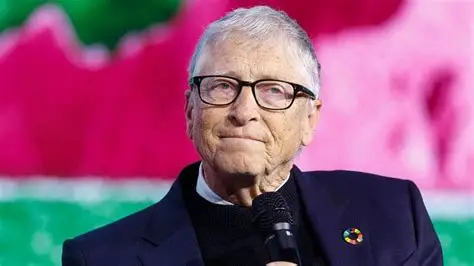
Bill Gates Epstein relationship questions returned to public attention after Gates addressed employees at the Gates Foundation during a scheduled staff town hall in February 2026. According to a foundation statement reported by Reuters, Gates “took responsibility for his actions” and answered staff questions after the release of new Epstein-related files by the U.S. Department of Justice.
The meeting mattered because the Bill Gates Epstein relationship has long sat at the intersection of philanthropy, reputation and accountability. Gates has repeatedly said his meetings with Jeffrey Epstein were connected to possible philanthropic fundraising and that associating with Epstein was a mistake. He has also said he did not witness illegal activity. At the same time, the renewed document releases and later congressional testimony kept the issue alive because Epstein was a convicted sex offender when Gates met him after 2011.
The most important point is legal and factual caution. Gates has not been accused of criminal wrongdoing in connection with Epstein. The story is not that Gates has been charged with a crime. The story is that one of the world’s most prominent philanthropists has had to explain why he continued contact with Epstein after Epstein’s 2008 conviction and why foundation-linked meetings were allowed to happen at all.
What Gates Told Foundation Staff About the Bill Gates Epstein Relationship
The Bill Gates Epstein relationship became the subject of direct staff questioning during a Gates Foundation town hall. Reuters reported that a foundation spokesperson said Gates spoke candidly, addressed several questions in detail and took responsibility for his actions. The statement came after the Wall Street Journal reported that Gates apologised to employees for his ties to Epstein.
Gates reportedly described spending time with Epstein as a “huge mistake”. He also reportedly apologised to people drawn into the issue because of his decision. The comments were important because the renewed scrutiny was not limited to Gates personally. Foundation employees, former executives, family members and the institution’s public mission were also pulled into the controversy.
The town hall reportedly covered several issues, including artificial intelligence initiatives and global health work, but the Bill Gates Epstein relationship was the reason the meeting attracted outside attention. Gates was being asked to address not only what happened, but why a man with Epstein’s criminal history had any access to conversations involving global health philanthropy.
What Gates Has Denied About the Bill Gates Epstein Relationship
Any responsible account of the Bill Gates Epstein relationship must separate confirmed facts from allegations, denials and unresolved questions. Gates has said that his association with Epstein was a mistake. He has also denied wrongdoing.
According to Reuters, Gates told foundation staff: “I did nothing illicit. I saw nothing illicit.” He also reportedly said he never spent time with Epstein’s victims or the women around him. In later congressional testimony, he said he never witnessed criminal conduct by Epstein and did not have knowledge of ongoing criminal activity.
That wording matters. Gates is acknowledging poor judgement in associating with Epstein, not admitting criminal involvement. The distinction is essential because Epstein’s crimes were severe, and stories about his network can easily produce misleading conclusions if names are treated as proof of guilt. Being named in files, appearing in photographs or attending meetings does not automatically establish participation in criminal conduct.
At the same time, the Bill Gates Epstein relationship remains newsworthy because Epstein’s status was not unknown. Gates has said he knew Epstein had faced legal issues, though he did not fully understand the extent of Epstein’s crimes when the contact began. Critics argue that a convicted sex offender should never have been treated as a potential philanthropic gatekeeper.
Why the DOJ File Release Changed the Bill Gates Epstein Relationship Story
The renewed debate around the Bill Gates Epstein relationship followed the release of a large batch of Epstein-related documents by the U.S. Department of Justice in January 2026. The Guardian reported that the release included more than 3 million pages, more than 2,000 videos and about 180,000 images, with extensive redactions and continued debate over what was withheld.
The files renewed attention on Epstein’s connections with high-profile figures in business, politics, academia and philanthropy. In Gates’s case, the documents indicated repeated contact after Epstein’s prison term and included images of Gates with women whose faces were redacted. Gates has said the photographs were taken at Epstein’s request with assistants after meetings.
This is why the Bill Gates Epstein relationship became a foundation issue rather than only a personal reputation issue. The files suggested contact involving philanthropic discussions and foundation-connected personnel. That raised questions about vetting, judgement and how elite institutions handle access to powerful donors or intermediaries.
The document release also created a risk of misinterpretation. Some materials included unproven claims, redactions and incomplete context. A careful article should avoid treating every released item as verified fact. The strongest conclusion is narrower: the files intensified scrutiny and forced more detailed explanations from Gates and the foundation.
Large document releases also raise privacy concerns when names, images or personal details appear without full context. The News Ink has covered related questions around digital privacy, a useful theme whenever public records, redactions and online interpretation collide.
June Testimony Added a Later Bill Gates Epstein Relationship Update
The Bill Gates Epstein relationship received another major update in June 2026 when Gates testified privately before the U.S. House Oversight Committee. Reuters reported that Gates told lawmakers he did not fully understand the extent of Epstein’s crimes when he associated with him for philanthropic reasons. He also testified that Epstein tried to pressure him using knowledge of his extramarital affairs.
In reporting on the testimony, Gates said the personal matters had nothing to do with his interactions with Epstein and were painful for his family. He also said Epstein was trying to use information, along with false claims, to pressure him into re-engaging. Gates described the philanthropic discussions as ultimately unsuccessful.
This later testimony changed the context of the original staff-meeting story. The February town hall showed Gates responding internally to employees. The June testimony showed him answering lawmakers as part of a broader inquiry into the handling of the Epstein case and the release of government records.
For readers, the key update is that the Bill Gates Epstein relationship is no longer only a question about an old association. It has become part of a larger public record involving DOJ releases, congressional scrutiny and institutional review.
The Philanthropy Explanation
Gates has consistently framed the Bill Gates Epstein relationship as connected to philanthropy. He has said Epstein claimed he could help bring wealthy donors into global health work through estate and tax-planning conversations. The idea, as Gates has described it, was that very rich people making decisions about wills and long-term giving might direct money toward health initiatives.
That explanation does not eliminate the ethical problem. Philanthropy depends heavily on trust. Donor networks, introductions and private meetings can be valuable, but they also require careful judgement about who is allowed to influence access. Epstein had already pleaded guilty in Florida in 2008 to offences involving prostitution and solicitation of a minor. That history should have carried serious weight in any decision about whether to meet him.
The Bill Gates Epstein relationship therefore raises a broader question for major charities: when does the pursuit of funding become reputationally and morally dangerous? Even if no money arrives, the mere appearance of access can benefit someone trying to rebuild legitimacy.
Gates later said he concluded Epstein would not deliver meaningful philanthropic support and stopped communicating with him in 2014. The unresolved issue is why the association lasted as long as it did.
What the Gates Foundation Has Done Since the Bill Gates Epstein Relationship
The Gates Foundation has tried to separate the institution from Epstein while acknowledging that the issue requires review. In April 2026, the foundation said CEO Mark Suzman had commissioned an external review, with support from Gates and independent governing board members, to assess past foundation engagement with Epstein and current policies for vetting philanthropic partnerships.
That step is significant because the Bill Gates Epstein relationship was not only about personal meetings. Reuters reported that DOJ documents showed communications between Epstein and Gates Foundation staff. The foundation has said it did not employ Epstein or financially compensate him. Still, the existence of past engagement was enough to justify an independent look at policies and decisions.
An external review can serve several purposes. It can clarify what happened, identify weaknesses in vetting procedures and help protect future partnerships from similar risks. For a foundation working in global health and poverty reduction, credibility is not an optional asset. It is part of the institution’s ability to work with governments, researchers and communities.
The review does not mean misconduct has been established. It means the foundation recognised that the Bill Gates Epstein relationship created questions serious enough to examine formally.
Timeline of the Bill Gates Epstein Relationship
The chronology helps explain why the story has remained sensitive. The Bill Gates Epstein relationship was not a single brief encounter.
| Date or period | Development | Why it mattered |
|---|---|---|
| 2008 | Epstein pleaded guilty in Florida to prostitution-related charges, including solicitation of a minor | This conviction made later contact with him highly sensitive |
| 2011 | Gates has said he was introduced to Epstein through trusted professional contacts | The relationship began after Epstein’s conviction |
| 2011-2014 | Gates and Epstein had meetings or conversations linked to possible philanthropic fundraising | These contacts later became the centre of public scrutiny |
| 2014 | Gates has said he ended communication after concluding Epstein could not deliver promised philanthropic support | This is the endpoint Gates gives for the relationship |
| January 2026 | DOJ released a large batch of Epstein-related files | The release renewed attention on Gates and other prominent figures |
| February 2026 | Gates addressed foundation staff in a town hall | He reportedly apologised and took responsibility for the association |
| April 2026 | Gates Foundation commissioned an external review | The institution began reviewing past engagement and partnership-vetting policies |
| June 2026 | Gates testified before the House Oversight Committee | The issue moved further into the congressional record |
The timeline shows why the Bill Gates Epstein relationship continues to attract attention. It involved a convicted offender, elite philanthropy, later document releases and institutional accountability.
Melinda French Gates and the Personal Fallout
The Bill Gates Epstein relationship has also had a personal dimension. Melinda French Gates has previously said that Epstein was one of several factors connected to the breakdown of her marriage. In a 2026 Guardian interview, she discussed the painful renewed attention around Epstein-related material and described the emotional impact of her own encounter with Epstein.
This part of the story should be handled carefully. The divorce of Bill Gates and Melinda French Gates is a private matter except where both have spoken publicly. It is enough to say that Epstein’s presence in their lives has been described as painful and damaging by Melinda French Gates, and that Bill Gates has acknowledged regret over the association.
The Bill Gates Epstein relationship therefore affected more than a public image. It also drew family members into renewed public scrutiny. That is one reason Gates’s reported apology to staff and others “drawn into” the issue carried significance.
What Is Confirmed and What Is Not
The Bill Gates Epstein relationship is surrounded by emotionally charged facts, so clarity is essential.
Confirmed reporting shows that Gates met Epstein after Epstein’s conviction, that the meetings were described as philanthropy-related, that Gates later said the association was a mistake and that the Gates Foundation has launched an external review. It is also confirmed that Gates testified before Congress in June 2026.
It is not established that Gates participated in Epstein’s crimes. Gates has denied seeing or doing anything illicit. He has not been accused of criminal wrongdoing in connection with Epstein. It is also not safe to treat every allegation found in released files as true, especially when documents may contain unverified claims, drafts or incomplete context.
The responsible framing is this: the Bill Gates Epstein relationship represents a serious judgement and governance issue, not a proven criminal case against Gates.
That distinction protects readers from both minimisation and exaggeration. The association was not trivial. It was also not proof of criminal involvement.
Why Powerful People Face a Higher Accountability Standard
The Bill Gates Epstein relationship remains important because powerful people shape who gains access, credibility and legitimacy. Epstein used wealth, private meetings and elite networks to remain close to influential circles long after his conviction. When respected figures met him, even for stated philanthropic reasons, those interactions could help him appear rehabilitated.
Gates acknowledged this point in later testimony, saying Epstein sought to build legitimacy through connections to reputable and powerful people. That is a central lesson from the episode. Association can become a form of reputational currency, especially when the person seeking access has a damaged public record.
For philanthropies, universities, companies and political organisations, the lesson is practical. Vetting should not focus only on whether someone can provide money, introductions or influence. It must also examine whether accepting that access creates unacceptable ethical risk.
What Institutions Can Learn From the Bill Gates Epstein Relationship
The Bill Gates Epstein relationship offers lessons far beyond one foundation.
First, donor vetting should be formal rather than informal. Charities should not rely only on personal introductions, especially when a potential intermediary has a criminal history. Second, staff should have clear routes to raise concerns when a proposed relationship appears risky. Third, reputational reviews should happen before access is granted, not years later after documents become public.
Fourth, organisations should document why controversial contacts are approved or rejected. If the reasoning cannot withstand public scrutiny, it may not be strong enough. Fifth, leaders should recognise that good intentions do not erase poor judgement. A desire to fund global health work does not automatically justify meeting a person whose past should raise immediate red flags.
The Bill Gates Epstein relationship shows how the search for philanthropic resources can become ethically complicated. The safest standard is not merely “Can this person help?” but “Should this person be involved at all?”
Frequently Asked Questions
What did Gates say at the foundation staff meeting?
Gates reportedly said it was a huge mistake to spend time with Epstein and apologised to people drawn into the issue. A foundation spokesperson told Reuters that Gates spoke candidly and took responsibility for his actions.
Has Gates been accused of criminal wrongdoing related to Epstein?
No. Gates has not been accused of criminal wrongdoing in connection with Epstein and has repeatedly denied seeing or doing anything illicit.
Why did Gates meet Epstein?
Gates has said the meetings were related to possible philanthropic fundraising. He has stated that Epstein claimed he could connect wealthy donors with global health giving structures.
Did Epstein work for the Gates Foundation?
The foundation has said Epstein was not employed by the foundation and was not financially compensated by it.
Why did the DOJ files matter?
The DOJ files renewed scrutiny because they included records and images involving prominent figures, including Gates, and showed repeated contact after Epstein’s prison term.
What is the Gates Foundation reviewing?
The foundation has commissioned an external review of past engagement with Epstein and its current policies for vetting philanthropic partnerships.
Bill Gates Epstein Relationship Remains a Lesson in Judgement
The Bill Gates Epstein relationship is best understood as a story about judgement, institutional accountability and the dangers of elite access. Gates has acknowledged that associating with Epstein was a mistake, apologised to people affected by that decision and denied seeing or doing anything illicit. The foundation has also begun an external review of past engagement and current vetting practices.
Those facts do not support reckless claims of criminal wrongdoing against Gates. They do support a serious examination of how Epstein was able to use proximity to powerful people to rebuild status after his conviction.
The Bill Gates Epstein relationship remains a warning for leaders and institutions that good causes do not excuse weak scrutiny. Philanthropy, especially at global scale, depends not only on money but on trust. When that trust is damaged, accountability has to be more than a statement. It has to change how decisions are made.
For more technology, business and accountability coverage, follow The News Ink on X.