



Sign In
The News Ink
  • Technology
  • Anime
  • Sports
  • Business
  • Beauty & Fashion
  • Daily News
  • More
    • Lifestyle
    • Bizarre
    • Current Affairs
    • Entertainment
    • Health
    • Opinion
    • Science
    • Travel
Reading: 1970s Oil Crisis Explained: Could Today’s Energy Shock Be Worse?
Share
The News InkThe News Ink
Font ResizerAa
  • Travel
  • Opinion
  • Science
  • Technology
  • Beauty & Fashion
Search
  • Home
    • Home 1
    • Home 2
    • Home 3
    • Home 4
    • Home 5
  • Categories
    • Technology
    • Opinion
    • Travel
    • Beauty & Fashion
    • Science
    • Health
  • Bookmarks
  • More Foxiz
    • Sitemap
Have an existing account? Sign In
Follow US
© 2022 Foxiz News Network. Ruby Design Company. All Rights Reserved.
The News Ink > Blog > Business > 1970s Oil Crisis Explained: Could Today’s Energy Shock Be Worse?
Business

1970s Oil Crisis Explained: Could Today’s Energy Shock Be Worse?

Dowry Lane
Last updated: March 30, 2026 6:16 pm
Dowry Lane
Share
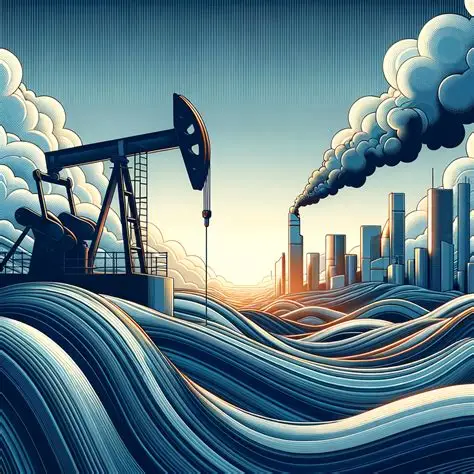
Oil barrels and global market charts representing the 1970s oil crisis and current energy concerns
The 1970s oil crisis offers key lessons for today’s global energy challenges
SHARE

The recent disruption to global energy routes has raised concerns about a crisis that could rival or even surpass the oil shocks of the 1970s. Experts warn that ongoing geopolitical tensions may place unprecedented pressure on global energy supplies.

Contents
What Happened in the 1970s Oil Crisis?How Does Today’s Situation Compare?What Could Happen Next?

The current situation has drawn comparisons to the 1970s oil crisis, one of the most significant economic disruptions in modern history. However, analysts note that the causes and global conditions today differ in key ways.

What Happened in the 1970s Oil Crisis?

The 1970s oil crisis began in 1973 when members of OPEC imposed an oil embargo. They targeted countries that supported Israel during the Yom Kippur War.

At the same time, oil-producing nations reduced output, which caused a sharp supply shortage. As a result, oil prices surged dramatically within a short period.

The impact spread quickly across the global economy. Many countries introduced fuel rationing, and businesses struggled with rising costs. Inflation increased sharply, while economic growth slowed.

The crisis triggered a severe economic downturn in several major economies, including the United States and the United Kingdom. Rising unemployment and falling production created long-lasting financial and social challenges.

A second major shock occurred in 1979 during the Iranian Revolution, which further disrupted oil supplies and pushed prices higher.

How Does Today’s Situation Compare?

Today’s energy challenges stem from geopolitical conflict rather than coordinated production cuts. Tensions in key regions have threatened vital supply routes, especially around the Strait of Hormuz, a critical channel for global oil shipments.

Experts warn that any prolonged disruption in this region could significantly impact global markets. Shipping delays and supply uncertainty may continue to drive prices upward.

Some analysts believe the current crisis could have a greater impact than the 1970s due to the scale of global demand and interconnected supply chains. Modern economies rely heavily on stable energy flows, making them vulnerable to sudden disruptions.

However, others argue that the world is better prepared today. Countries now maintain strategic oil reserves and have more diverse energy sources. Advances in technology and renewable energy also provide alternatives that were not available in the 1970s.

What Could Happen Next?

The long-term impact will depend on how the situation develops. If supply routes remain unstable, energy prices could continue to rise. This may lead to higher transportation and production costs, which often translate into increased prices for everyday goods.

There are also concerns about food security. Fertilizer production and transport depend heavily on energy supplies, meaning disruptions could push food prices higher, especially in developing regions.

While today’s situation differs from the 1970s crisis, the risks remain significant. Governments and markets will need to respond quickly to prevent a prolonged economic shock.
Subscribe to Our Newsletter

Subscribe to our newsletter to get our newest articles instantly!

[mc4wp_form]
TAGGED:1970s Oil Crisis Explained: Could Today’s Energy Shock Be Worse?
Share This Article
Twitter Email Copy Link Print
Previous Article Pakistani security forces deployed in Islamabad ahead of US Iran peace talks Oil Prices Surge While Asian Markets Fall as Iran War Intensifies
Next Article Oil price chart reacting to political statements during Iran conflict How Trump’s Statements Influence Oil Prices During the Iran Conflict
Leave a comment

Leave a Reply Cancel reply

You must be logged in to post a comment.

Editor's Pick

Hot News

Empty Mumbai Aqua Line station shows low India metro ridership crisis.

India’s Metro Gold Rush: Huge Spend, Low Riders in 2026

Mumbai's Aqua Line empties out early on weekday evenings. Commuters…

April 20, 2026

Doug Ford Sells $21M Private Jet After Ontario Backlash Erupts

Ontario Premier Doug Ford agreed to…

April 20, 2026

Oil Prices Surge Amid Rising Tensions Over Strait of Hormuz

Global oil markets reacted sharply after…

April 20, 2026

How Your Donated Clothes End Up in Chile’s Desert Waste Crisis

Donating old clothes may seem like…

April 20, 2026

Insider Trading Concerns Rise Over Market Moves During Trump’s Presidency

Concerns about insider trading have surfaced…

April 20, 2026

You Might Also Like

Argentina glaciers Andes Mendoza vineyard water supply
Business

Argentina’s Glaciers at Risk as Water Concerns Grow in Mendoza

Water is the lifeline of Argentina’s wine industry, especially in regions like Mendoza, where vineyards depend heavily on natural water…

3 Min Read
cryptocurrency hacking phishing cybercrime investigation digital theft
Business

British Man Admits Role in $8M Cryptocurrency Theft Scheme

TYLER BUCHANAN has pleaded guilty to his role in a large-scale cybercrime operation that targeted companies and individuals across the…

3 Min Read
Anthropic Mythos AI meeting White House technology discussion
Business

White House Engages Anthropic as Mythos AI Raises Security Concerns

The White House has held a “productive and constructive” meeting with leaders from Anthropic, as concerns grow over its powerful…

3 Min Read
Strait of Hormuz oil tanker global supply route reopening
Business

Oil Prices Drop as Iran Reopens Strait of Hormuz During Ceasefire

Global oil prices dropped sharply after Iran announced that the Strait of Hormuz is now open to commercial shipping during…

2 Min Read
The News Ink

Categories

  • Anime
  • Beauty & Fashion
  • Bizarre
  • Business
  • Current Affairs

Explore

  • Daily News
  • Entertainment
  • Health
  • Lifestyle
  • Opinion

More

  • Science
  • Sports
  • Technology
  • Travel

Legal Docs

  • Home
  • About Us
  • Contact
  • Blog
  • Privacy Policy
  • Terms and Conditions

© The News Ink. All Rights Reserved.

Go to mobile version
Welcome Back!

Sign in to your account

Register Lost your password?