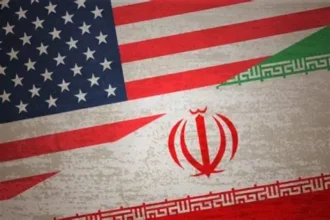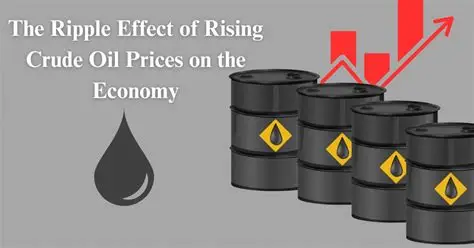
The ongoing conflict involving the United States and Israel against Iran has begun to affect global oil markets. Disruptions to exports from the Gulf region have caused a sharp rise in oil prices.
Analysts say the sudden supply shock is one of the largest in modern oil market history. As production slows and shipping routes face risks, energy prices have surged across global markets. This situation has already unsettled financial markets and increased concerns about inflation.
Drivers Feel the Impact at the Pump
Consumers are starting to see the effects at petrol stations. In the United States, average gasoline prices have climbed above $3.50 per gallon. Just a month ago, the price stood at about $2.92. Diesel prices have also jumped significantly during the same period.
Fuel prices in the United Kingdom are also rising. Data from the RAC shows petrol prices have increased by nearly 5p per litre since the war began, while diesel has risen by more than 9p.
Experts note that fuel prices usually take about two weeks to fully reflect movements in global oil markets. This means motorists may see further increases in the coming weeks.
Flights and Travel Could Become More Expensive
Higher oil prices may also affect the aviation industry. Europe imports around half of its jet fuel from the Gulf region. Supply disruptions have already pushed jet fuel prices to their highest levels since the start of the Russian invasion of Ukraine.
Fuel costs account for roughly 20% to 40% of airline operating expenses. As a result, airlines may raise ticket prices to cover the additional costs. Some carriers could also cancel flights if fuel supplies become limited.
However, the impact will differ between airlines. Many European carriers secure fuel through long-term contracts at fixed prices. Some American airlines do not hedge fuel costs in the same way, making them more vulnerable to sudden price spikes.
Wider Economic Effects
Economists warn that higher oil prices could eventually affect everyday goods and services. Transport costs influence the price of food, manufacturing, and tourism.
If the conflict continues and energy prices remain high, the global economy could face slower growth and higher living costs.