



Sign In
The News Ink
  • Technology
  • Anime
  • Sports
  • Business
  • Beauty & Fashion
  • Daily News
  • More
    • Lifestyle
    • Bizarre
    • Current Affairs
    • Entertainment
    • Health
    • Opinion
    • Science
    • Travel
Reading: Why IVF Still Fails for Many Couples and How New Research Aims to Improve Success
Share
The News InkThe News Ink
Font ResizerAa
  • Travel
  • Opinion
  • Science
  • Technology
  • Beauty & Fashion
Search
  • Home
    • Home 1
    • Home 2
    • Home 3
    • Home 4
    • Home 5
  • Categories
    • Technology
    • Opinion
    • Travel
    • Beauty & Fashion
    • Science
    • Health
  • Bookmarks
  • More Foxiz
    • Sitemap
Have an existing account? Sign In
Follow US
© 2022 Foxiz News Network. Ruby Design Company. All Rights Reserved.
The News Ink > Blog > Health > Why IVF Still Fails for Many Couples and How New Research Aims to Improve Success
Health

Why IVF Still Fails for Many Couples and How New Research Aims to Improve Success

Dowry Lane
Last updated: March 17, 2026 5:47 pm
Dowry Lane
Share
Why IVF Still Fails for Many Couples and How New Research Aims to Improve Success
IVF treatment involves careful monitoring of embryo development in a lab
SHARE

For many couples, starting a family through fertility treatment can feel uncertain. Even after decades of progress, In vitro fertilisation (IVF) still does not guarantee success.

Contents
🧬 How IVF Works📊 Current IVF Success Rates🔍 Do Add-On Technologies Help?⚠️ The Reality of IVF Treatment🧪 Why IVF Sometimes Fails🔬 New Research Offers Hope💡 What This Means for Patients📌 Final Thoughts

More than 45 years after the birth of the first IVF baby, success rates have improved—but the process remains emotionally and physically challenging.


🧬 How IVF Works

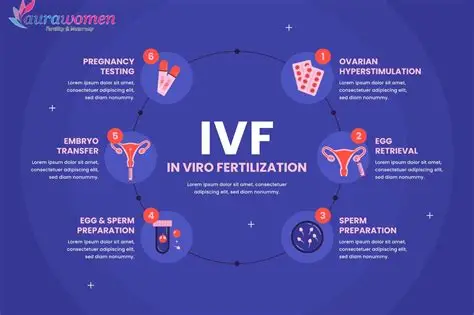
In IVF, doctors fertilize an egg with sperm in a lab. The fertilized egg then develops into an embryo, which doctors transfer into the uterus.

Each step matters, but success is never certain. Couples often go through multiple cycles before achieving pregnancy.


📊 Current IVF Success Rates

IVF has helped bring over 10 million babies into the world. However, success rates still vary:

  • Around 30–40% success rate per cycle for women in their mid-30s

  • About 45% success rate overall in some countries

  • Success rates decrease with age

Even today, each cycle can feel like a gamble.


🔍 Do Add-On Technologies Help?

Many clinics offer extra tools to improve outcomes. One popular option is Time-lapse imaging, which tracks embryo development using continuous images.

The idea sounds promising—but research tells a different story.

A large study published in The Lancet found no significant improvement in live birth rates when using this technology.

Despite this, many clinics still offer it as a paid add-on, sometimes costing hundreds of dollars per cycle.


⚠️ The Reality of IVF Treatment

IVF is not just a medical process—it is also physically and emotionally demanding.

Patients often:

  • Take hormone injections for weeks

  • Undergo medical procedures

  • Face repeated cycles if treatment fails

  • Experience emotional stress and uncertainty

The financial cost can also be high, especially when treatments do not succeed.


🧪 Why IVF Sometimes Fails

There are many reasons why IVF may not work:

  • Poor embryo development

  • Implantation failure

  • Hormonal issues

  • Age-related factors

Because of these challenges, researchers continue to search for better solutions.


🔬 New Research Offers Hope

Scientists around the world are exploring new ways to improve IVF outcomes. Some studies are testing innovative techniques to better handle eggs and sperm or improve embryo selection.

While not all methods show clear benefits yet, ongoing research aims to make IVF more reliable and less stressful for patients.


💡 What This Means for Patients

Although IVF success rates have improved over time, there is still no guaranteed result. Patients should carefully consider treatment options and discuss evidence-based approaches with specialists.

Understanding which methods truly work can help avoid unnecessary costs and disappointment.


📌 Final Thoughts

IVF has transformed millions of lives, but it still comes with uncertainty. While some technologies promise better results, not all deliver real benefits.

The good news is that research continues to evolve. Future advancements may finally improve success rates and make fertility treatment more effective and accessible.


Subscribe to Our Newsletter

Subscribe to our newsletter to get our newest articles instantly!

[mc4wp_form]
TAGGED:Why IVF Still Fails for Many Couples and How New Research Aims to Improve Success
Share This Article
Twitter Email Copy Link Print
Previous Article Person suffering from hay fever symptoms like sneezing and watery eyes outdoors Can Hay Fever Be Cured? New Treatments That May Change Allergy Care
Next Article Does the Birth Control Pill Change Your Body Shape? What Science Really Says Does the Birth Control Pill Change Your Body Shape? What Science Really Says
Leave a comment

Leave a Reply Cancel reply

You must be logged in to post a comment.

Editor's Pick

Hot News

US jobs report April 2026 Bureau of Labor Statistics employment data

US Jobs Report April 2026: Economy Beats Forecasts for Second Straight Month as Labour Market Holds Firm

The US jobs report April 2026 delivered another positive surprise…

May 9, 2026

Carvana’s 5-for-1 Stock Split: What Investors Need to Know About CVNA Shares

Carvana’s 5-for-1 Stock Split Explained: What…

May 9, 2026

Stock Market Movers: Rocket Lab, Akamai, Block and AI Plays Drive Friday’s Biggest Gains

Stock Market Movers Friday: AI and…

May 8, 2026

DRAM ETF Ignites: $1B Daily Haul Fuels AI Memory Mania

Roundhill Memory ETF Skyrockets with $1…

May 8, 2026

AMD Stock Surge Highlights Growing Demand for AI Chips as Investors Hunt for Undervalued Semiconductor Plays

AMD Revenue Surge Signals New Phase…

May 8, 2026

You Might Also Like

Bacteroides fragilis toxin colon cancer 2026 research Johns Hopkins claudin-4 receptor discovery
Health

Bacteroides Fragilis Toxin Colon Cancer 2026: Johns Hopkins Team Identifies Missing Mechanism and Develops Blocking Decoy

Bacteroides fragilis toxin colon cancer 2026 research has delivered a major scientific breakthrough after a multi-institutional team led by Johns…

16 Min Read
MV Hondius hantavirus outbreak 2026 Dutch cruise ship Andes virus
Health

MV Hondius Hantavirus Outbreak 2026: Three Passengers Dead as Andes Virus Spreads Aboard Dutch Cruise Ship

The MV Hondius hantavirus outbreak 2026 has claimed three lives and triggered an international public health response after the Andes…

15 Min Read
Doctor preparing vitamin K shot for newborn baby in hospital
Health

Doctors Warn of Rising Infant Deaths as More Parents Refuse Vitamin K Shot at Birth

Vitamin K Shot for Newborns Sparks Concern as Preventable InfaVitamin K: Uses, Deficiency, Dosage, Food Sources, and More nt Deaths…

10 Min Read
Fresh British blackberries in a punnet on an Aldi store shelf, part of the retailer's 100 per cent British blackberry range for summer.
Health

Aldi Forecasts 20% Rise in Blackberry Sales as It Launches Sweeter British Range with Driscoll’s

Introduction Aldi is betting big on British blackberries this summer. The supermarket chain expects sales to climb by 20 per…

11 Min Read
The News Ink

Categories

  • Anime
  • Beauty & Fashion
  • Bizarre
  • Business
  • Current Affairs

Explore

  • Daily News
  • Entertainment
  • Health
  • Lifestyle
  • Opinion

More

  • Science
  • Sports
  • Technology
  • Travel

Legal Docs

  • Home
  • About Us
  • Contact
  • Blog
  • Privacy Policy
  • Terms and Conditions

© The News Ink. All Rights Reserved.

Go to mobile version
Welcome Back!

Sign in to your account

Register Lost your password?