Exploring the World’s Most Remarkable Cultural Treasures
Travel is more than visiting new places — it is about experiencing history, culture, architecture, and the stories that shaped civilizations. Among the greatest destinations on Earth are the UNESCO World Heritage Sites Every Traveler Must See, locations recognized for their outstanding cultural, historical, scientific, or natural importance.
UNESCO World Heritage Sites Every Traveler Must See attract millions of visitors annually because they preserve the identity and legacy of humanity itself. From ancient mountain cities to breathtaking desert architecture, these destinations showcase extraordinary achievements that continue to inspire travelers from around the globe.
Whether you are passionate about archaeology, adventure, photography, or cultural exploration, these UNESCO World Heritage Sites Every Traveler Must See deserve a place on every travel bucket list.
Machu Picchu: Peru’s Lost City in the Clouds
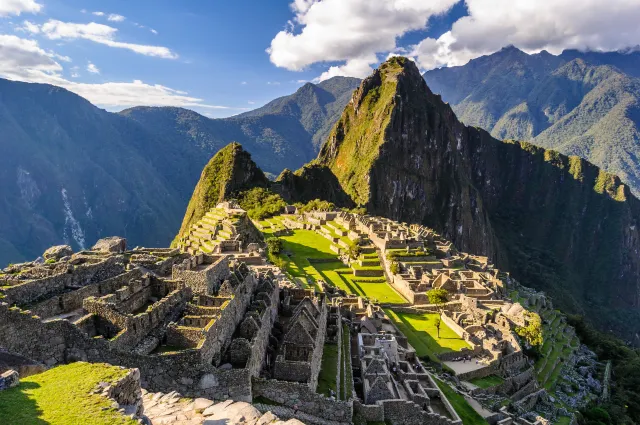
Few UNESCO World Heritage Sites Every Traveler Must See are as iconic as Machu Picchu in Peru. Hidden high within the Andes Mountains, this ancient Incan citadel remains one of the world’s most breathtaking archaeological wonders.
Built during the 15th century under Emperor Pachacuti, Machu Picchu demonstrates the remarkable engineering and architectural brilliance of the Inca civilization. Massive stone blocks were carefully cut and assembled without mortar, allowing the structures to withstand earthquakes and harsh mountain conditions for centuries.
Why Machu Picchu Captivates Travelers
| Feature | Importance |
|---|---|
| Mountain Location | Offers dramatic panoramic views |
| Incan Engineering | Earthquake-resistant stonework |
| Historical Mystery | Purpose still debated by historians |
| Cultural Significance | Symbol of Incan civilization |
The surrounding landscape enhances the site’s beauty, with mist-covered peaks creating a magical atmosphere unlike anywhere else in the world. Many travelers hike the famous Inca Trail to fully experience the journey toward this ancient city.
According to UNESCO World Heritage Centre, Machu Picchu is considered both a cultural and natural masterpiece due to its historical and environmental significance.
For travelers interested in global heritage destinations, The News Ink regularly explores fascinating cultural and historical sites worldwide.
Petra: Jordan’s Rose-Red Wonder
Among the UNESCO World Heritage Sites Every Traveler Must See, Petra stands out for its extraordinary rock-cut architecture and desert setting. Located in southern Jordan, Petra was once the thriving capital of the Nabataean Kingdom and an essential trade center connecting Arabia, Egypt, and the Mediterranean.
The city remained hidden from much of the world for centuries until Swiss explorer Johann Ludwig Burckhardt rediscovered it in 1812. Today, Petra is one of the Middle East’s most visited archaeological treasures.
Highlights of Petra
- The Treasury (Al-Khazneh)
- The Monastery (Ad Deir)
- Royal Tombs
- Ancient water channels
- The narrow Siq canyon entrance
What makes Petra one of the UNESCO World Heritage Sites Every Traveler Must See is the incredible craftsmanship carved directly into sandstone cliffs. The changing sunlight throughout the day transforms the rock colors from pink to deep red and orange, creating unforgettable scenery for visitors and photographers alike.
The official UNESCO Petra Page describes Petra as a unique blend of Eastern traditions and Hellenistic architecture.
Travel experts from National Geographic Travel also highlight Petra as one of the most remarkable ancient cities ever discovered.
The Great Wall of China: A Monument of Human Determination
Stretching thousands of kilometers across mountains, deserts, and valleys, the Great Wall remains one of the UNESCO World Heritage Sites Every Traveler Must See for anyone fascinated by history and engineering.
Originally constructed to defend Chinese territories from invasions, the wall evolved over centuries under multiple dynasties. While many sections have deteriorated over time, restored areas near Beijing continue to attract millions of international visitors annually.
What Makes the Great Wall Extraordinary
| Aspect | Details |
|---|---|
| Length | Over 21,000 kilometers |
| Construction Period | Multiple dynasties over centuries |
| Main Purpose | Military defense and border control |
| Global Importance | Symbol of Chinese civilization |
Walking along the Great Wall allows travelers to appreciate the immense labor and planning required to construct such a massive structure in difficult terrain. The watchtowers, steep stairways, and mountain scenery create an unforgettable experience.
As one of the UNESCO World Heritage Sites Every Traveler Must See, the Great Wall represents endurance, protection, and national identity. The UNESCO Great Wall Listing provides detailed historical information about its preservation and significance.
The Pyramids of Giza: Egypt’s Timeless Wonder
No list of UNESCO World Heritage Sites Every Traveler Must See would be complete without the legendary Pyramids of Giza. Located near Cairo, these ancient monuments remain among the most recognizable structures in human history.
Constructed over 4,500 years ago, the pyramids served as royal tombs for Egyptian pharaohs and reflected the advanced engineering abilities of Ancient Egypt. The Great Pyramid of Khufu, in particular, stood as the tallest human-made structure in the world for thousands of years.
Reasons the Pyramids Continue to Inspire
- One of the Seven Wonders of the Ancient World
- Exceptional architectural precision
- Rich archaeological discoveries
- Deep religious and cultural significance
Historians continue studying how ancient workers transported and assembled massive stone blocks with limited technology. The nearby Sphinx adds even more mystery to the Giza Plateau.
The Smithsonian Magazine explores theories surrounding pyramid construction and ancient Egyptian engineering techniques.
As one of the most famous UNESCO World Heritage Sites Every Traveler Must See, the pyramids offer travelers an unforgettable connection to one of humanity’s oldest civilizations.
Why UNESCO World Heritage Sites Continue to Inspire Modern Travelers
The popularity of UNESCO World Heritage Sites Every Traveler Must See goes far beyond sightseeing. These destinations allow travelers to connect with human history, cultural identity, and architectural achievement on a deeper level.
Each site tells a unique story:
- Machu Picchu reflects the ingenuity of the Inca Empire
- Petra demonstrates the creativity of desert civilizations
- The Great Wall symbolizes perseverance and defense
- The Pyramids of Giza showcase ancient engineering brilliance
These landmarks also play a vital role in education, tourism, and global heritage preservation. Organizations around the world continue working to protect these sites from environmental damage, urban development, and climate-related threats.
According to UNESCO Official Website, preserving cultural heritage helps future generations understand humanity’s shared history and diversity.
Final Thoughts on the UNESCO World Heritage Sites Every Traveler Must See
The world is filled with incredible destinations, but few experiences compare to visiting the UNESCO World Heritage Sites Every Traveler Must See. These remarkable landmarks combine history, culture, architecture, and natural beauty in ways that leave lasting impressions on every traveler.
From the mountain peaks of Peru to the deserts of Jordan and the sands of Egypt, these sites reveal the extraordinary achievements of civilizations that shaped our world. Exploring UNESCO World Heritage Sites Every Traveler Must See is not only a travel experience but also a journey through human history itself.
For more travel stories, cultural insights, and fascinating global discoveries, visit The News Ink and stay connected with the world’s most remarkable destinations.