



Reece James Injury Explained: Chelsea Setback, Recovery and England World Cup Return
The Reece James injury suffered against Newcastle United in March 2026 initially looked capable of becoming another major setback for the Chelsea captain at one of the most important stages of the season.
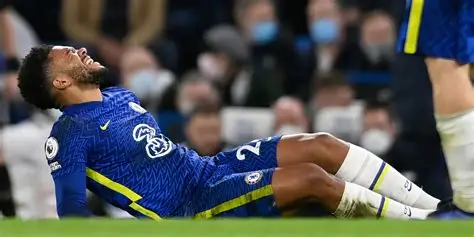
James felt a problem in his hamstring toward the end of Chelsea’s 1-0 Premier League defeat to Newcastle at Stamford Bridge on March 14. Chelsea head coach Liam Rosenior subsequently confirmed that his captain would miss the club’s UEFA Champions League return match against Paris Saint-Germain and acknowledged that the defender could potentially be sidelined for several weeks.
The timing made the Reece James injury particularly concerning. Chelsea were fighting on several fronts, England were approaching their final preparations for the 2026 World Cup, and James had enjoyed one of his most stable seasons following years in which physical problems repeatedly interrupted his progress.
There was, however, better news after further assessment. Chelsea subsequently indicated that the injury was not as serious as initially feared. James eventually returned before the end of the domestic season and was later selected for England’s 2026 World Cup squad.
The completed timeline means this story is no longer simply about an injured Chelsea captain waiting for scan results. It has become a story about the setback, Chelsea’s careful management of James and his successful return to high-level football.
How the Reece James Injury Happened
The Reece James injury occurred during Chelsea’s Premier League meeting with Newcastle United on March 14.
James completed the match but reported discomfort in his hamstring late in the contest. Rosenior confirmed the problem two days later as Chelsea prepared for a difficult Champions League second leg against PSG.
According to Chelsea’s official team update ahead of PSG, James had felt something in his hamstring toward the end of the Newcastle game.
That immediately ruled him out of Chelsea’s next European match.
Rosenior was initially unable to provide a precise recovery period because medical staff still needed to determine the full extent of the problem. Asked whether James might be unavailable for several weeks, the Chelsea coach acknowledged that it was possible.
The BBC’s original report on the injury also recorded Rosenior’s concern and confirmed that James would miss the PSG match.
With hamstring injuries, early estimates can be difficult. The severity may range from relatively minor discomfort to a more significant muscular tear requiring a lengthy rehabilitation period.
That uncertainty explains why Chelsea avoided immediately announcing a fixed comeback date.
James Missed Chelsea’s Crucial PSG Match
The immediate consequence of the Reece James injury was his absence from Chelsea’s Champions League last-16 second leg against Paris Saint-Germain.
Chelsea entered the match in an extremely difficult position after losing the opening leg 5-2 in France.
They needed an exceptional performance at Stamford Bridge to have any realistic chance of completing the comeback, but James was unavailable.
PSG ultimately won the second leg 3-0 and progressed 8-2 on aggregate.
James’ absence cannot reasonably be presented as the sole reason Chelsea were eliminated. The London club already faced a three-goal deficit before the second match began.
Nevertheless, losing the captain deprived Rosenior of one of his most tactically flexible and experienced players.
James can operate as a traditional right-back, a wing-back or move into midfield when Chelsea require additional control in possession. That versatility gives a coach several options without making a substitution.
Readers can also explore The News Ink’s look at the greatest Champions League comebacks for more context on how difficult Chelsea’s task against PSG had already become.
Why the Initial Injury News Caused Concern
Any Reece James injury attracts more attention because of his previous fitness record.
James has experienced several significant injury interruptions during his senior career, including recurring hamstring problems that at times prevented him from building long runs of matches.
That history meant the announcement of another hamstring issue immediately raised fears among Chelsea supporters.
The situation was particularly frustrating because James had enjoyed a far more consistent 2025-26 campaign before the Newcastle match.
Chelsea’s own season review later showed that James made 39 appearances in all competitions, including 29 starts, and accumulated almost 3,000 minutes.
The club described it as an excellent campaign in which its captain had largely put previous injury difficulties behind him.
That made the Reece James injury feel less like part of an ongoing crisis and more like an unfortunate interruption to a season in which his availability had substantially improved.
The First Recovery Update Was Encouraging
The early suggestion that James could miss several weeks was not a confirmed recovery timetable.
Further assessment brought more encouraging information.
Chelsea later indicated that the problem was not considered serious, although James still required rehabilitation before returning to full training and competitive football.
This was an important distinction.
Saying the Reece James injury was not serious did not mean James could immediately return to the team. Hamstring problems need careful management because returning too quickly can increase the risk of aggravating the muscle.
Chelsea therefore had to balance two priorities: getting their captain back for important matches while avoiding another setback that could have jeopardised the remainder of the season and potentially the World Cup.
Given James’ injury history, caution made considerable sense.
England World Cup Hopes Became Part of the Story
The Reece James injury did not affect only Chelsea.
England head coach Thomas Tuchel was preparing for the 2026 World Cup in the United States, Canada and Mexico.
James had worked his way back into serious contention for England and offered Tuchel an experienced option on the right side of defence.
That made the timing uncomfortable.
If the Reece James injury had developed into a longer absence, James could have lost valuable match fitness immediately before Tuchel selected his World Cup squad.
It was an especially important opportunity for James because injuries had previously prevented him from representing England at major tournaments.
Chelsea later noted that James missed the 2022 World Cup because of injury and was also unavailable for Euro 2024.
The 2026 tournament therefore represented an important chance for the defender to finally play a meaningful role for England on the World Cup stage.
James Successfully Recovered in Time
As the weeks progressed, the outlook improved.
James eventually returned to Chelsea’s matchday plans before the end of the domestic season, providing enough time to prove that he was capable of competing again at the highest level.
That changed the Reece James injury narrative considerably.
Instead of an injury ending his season and putting his international place in serious danger, James recovered sufficiently to resume playing and remained firmly in Tuchel’s thinking.
For Chelsea, his return also validated the decision not to rush the rehabilitation process.
An extra week of recovery can sometimes be far more valuable than forcing a player back for one match and risking another muscular problem.
The objective was not simply to make James available as quickly as possible. It was to make him available safely and consistently.
England Selected James for the 2026 World Cup
Any remaining doubts about the impact of the Reece James injury on his international prospects disappeared when England’s World Cup squad was announced.
James was selected by Thomas Tuchel and travelled to North America for his first World Cup as a player.
Chelsea’s official World Cup call-up announcement confirmed the captain’s inclusion in the England squad.
That was a significant personal milestone.
James had been part of England’s Euro 2020 squad but injuries subsequently limited his opportunities at major international tournaments.
His selection in 2026 therefore represented more than another national-team call-up.
It showed that Tuchel believed James had regained sufficient fitness following the Reece James injury to contribute at the biggest tournament in international football.
James Started England’s First Two World Cup Matches
James did not simply travel as an unused squad member.
He started England’s opening two group matches, including the 4-2 victory over Croatia and the goalless draw with Ghana.
Chelsea confirmed during the tournament that James had started both fixtures as England progressed from their group unbeaten.
That was perhaps the strongest possible response to the concerns created by the Reece James injury only a few months earlier.
Playing international tournament football places substantial physical demands on a defender.
Full-backs are expected to defend wide areas, support attacks, repeatedly accelerate and cover considerable distances. A player experiencing unresolved hamstring trouble would struggle to handle that workload effectively.
James being trusted to start for England therefore demonstrated how far his recovery had progressed.
A Later Knock Required Further Management
James’ World Cup was not completely uninterrupted.
Chelsea later reported that he was recovering from another knock during the knockout stages and missed England’s early knockout matches.
That development again demonstrated why managing James’ workload remains important.
It would be misleading, however, to automatically connect every later fitness issue to the March Reece James injury without medical confirmation.
Different injuries can occur during a long season and international tournament, and teams rarely disclose every medical detail publicly.
The responsible conclusion is therefore narrower: James recovered from the March hamstring problem sufficiently to return for Chelsea, make England’s World Cup squad and start World Cup matches.
That is substantially more positive than the outlook when the injury was first announced.
The Injury Came Just After a Huge Chelsea Contract
Another reason the Reece James injury attracted attention was its timing.
Only days before the Newcastle match, Chelsea announced that James had signed a new six-year contract keeping him at Stamford Bridge until 2032.
The official Chelsea contract announcement described James as a figurehead of the first-team squad and highlighted his journey from the academy to becoming club captain.
James first trained with Chelsea at six years old and developed through the club’s academy before establishing himself in the senior side.
He has since won major trophies with Chelsea and become one of the most recognisable products of the Cobham system.
The News Ink has covered that important development separately in its report on Reece James signing a six-year Chelsea contract extension.
For Chelsea, giving James a deal until 2032 represents a major commitment.
The club clearly believes that a fit James should remain an important part of its long-term plans.
Why James Is So Important to Chelsea
The impact of a Reece James injury goes beyond simply losing a right-back.
James provides qualities that are difficult to replace with one player.
Defensively, he has the strength and positioning to deal with powerful attackers. Going forward, he can overlap, cross from wide areas and shoot from distance.
More importantly, his technical quality allows coaches to use him differently depending on the opponent.
During the 2025-26 season, Chelsea deployed James both in defence and central midfield.
Chelsea’s season review highlighted strong performances from the captain in both positions and noted that his versatility became an important tactical asset.
Leadership is another factor.
James is Chelsea’s captain, meaning his influence extends beyond what happens when he has the ball.
Rosenior emphasised that importance when discussing the injury, describing James as an important leader within the group.
Losing a captain during a difficult period can therefore affect both team structure and dressing-room leadership.
Chelsea Were Managing Several Fitness Problems
The Reece James injury also arrived while Chelsea were dealing with other squad problems.
Several players had fitness concerns around the PSG match, leaving Rosenior with fewer options than he would have preferred.
Trevoh Chalobah then suffered another worrying injury during the Champions League second leg.
Chelsea subsequently confirmed that Chalobah required further assessment after leaving the field in significant discomfort.
That wider injury situation increased the importance of getting James back without creating another setback.
Chelsea could have been tempted to accelerate his recovery because of other absences, but doing so would have carried obvious risk.
With muscular injuries, particularly for players with previous hamstring problems, long-term availability can be more valuable than an early return for a single fixture.
What the Reece James Injury Says About His Recent Progress
There is a tendency for every new James fitness issue to be viewed through the lens of his earlier injury record.
That is understandable, but it can also create an incomplete picture.
The 2025-26 season represented meaningful progress.
James made 39 appearances across all competitions. He was regularly available, played in multiple positions and contributed almost 3,000 minutes.
Those numbers matter because availability had previously been one of the biggest obstacles preventing James from consistently showing his quality.
A Reece James injury in March did interrupt that progress, but it did not erase it.
His later recovery and World Cup involvement demonstrate that the problem was manageable rather than another season-defining breakdown.
Chelsea will still need to monitor his fitness intelligently, but the broader trend during the season was considerably more positive than in some previous campaigns.
Reece James Injury Timeline
| Date | Development |
|---|---|
| March 2026 | Chelsea announce James’ new contract until 2032 |
| March 14 | James feels a hamstring issue against Newcastle |
| March 16 | Rosenior confirms James will miss PSG and could be out for weeks |
| March 17 | James misses Chelsea’s Champions League second leg against PSG |
| Following assessment | Chelsea receive more encouraging news about the severity |
| Spring 2026 | James continues rehabilitation |
| May 2026 | James returns to Chelsea’s matchday plans |
| June 2026 | Thomas Tuchel selects James for England’s World Cup squad |
| June 2026 | James starts England’s opening World Cup matches |
| Later World Cup stages | James has another knock managed during the tournament |
Why Chelsea Must Continue Managing James Carefully
The positive outcome does not mean Chelsea can ignore James’ injury history.
Explosive full-backs place substantial strain on their hamstrings because their role involves repeated sprinting, changes of direction, overlapping runs and defensive recovery.
James’ physical style makes those movements a major part of his effectiveness.
That means workload management remains important even when he is fully fit.
Training intensity, recovery time, match congestion and minutes played all need to be considered across a long domestic and European season.
The aim should not necessarily be for James to play every available minute.
Chelsea need him available for the matches in which his influence can make the greatest difference.
The Reece James injury in March provided another reminder that managing an elite player successfully requires thinking beyond the next fixture.
A Setback That Did Not Define His Season
When the initial announcement was made, the Reece James injury looked particularly damaging.
James had only just signed a major new contract. Chelsea were entering a crucial Champions League fixture. England were preparing for the World Cup.
Another long absence would have revived serious questions about whether injuries would continue preventing one of England’s most talented defenders from fulfilling his potential.
Instead, the outcome was considerably more encouraging.
James recovered.
He returned to Chelsea.
He made England’s World Cup squad.
He started World Cup matches.
And his overall 2025-26 campaign still finished with 39 Chelsea appearances, representing one of his most consistent seasons for the club.
That does not make the Reece James injury insignificant. Chelsea clearly missed their captain during an important period.
But the completed story is no longer one of another devastating injury.
It is a story about a potentially worrying hamstring setback that Chelsea managed carefully enough for James to return to major club and international football within the same season.
What Comes Next for Reece James
James’ long-term challenge remains straightforward: maintaining the availability that allows his ability to influence Chelsea consistently.
His new contract until 2032 demonstrates the club’s confidence.
His World Cup selection demonstrates Thomas Tuchel’s confidence.
And his 2025-26 appearance total provides evidence that James can sustain a significantly heavier workload than he managed during some previous injury-hit seasons.
There will always be extra attention whenever another Reece James injury occurs because of what happened earlier in his career.
But each new problem should be judged on its actual severity rather than automatically being treated as the beginning of another lengthy absence.
The March 2026 hamstring problem is a good example.
The first headlines warned that James could be out for weeks. That was accurate based on what Chelsea knew at the time.
The later evidence showed a more positive outcome.
For Chelsea supporters, that is the most important update: the Reece James injury disrupted an important part of the season, but it did not prevent their captain from returning, representing his country at the World Cup and continuing the strongest stretch of availability he had produced in years.
Follow The News Ink
Stay informed with the latest football news, major sports developments, analysis and explainers from The News Ink.
Follow us on X, Instagram, and Threads.
You can also join our WhatsApp Channel for newly published stories and important updates.