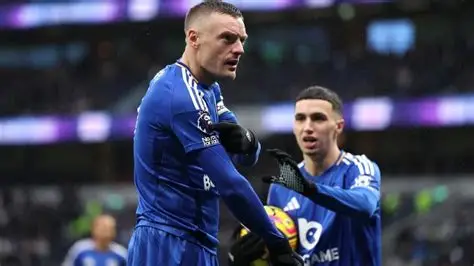
Jack Fletcher Six-Match Ban: Why Manchester United Teenager’s Slur Case Matters
Jack Fletcher six-match ban has become a serious disciplinary and education case for English football after the Manchester United midfielder admitted using discriminatory language during an Under-21 EFL Trophy match against Barnsley.
The 18-year-old was sent off during United Under-21s’ 5-2 defeat at Oakwell on 21 October 2025. The incident later led to a Football Association charge, a six-match suspension, a £1,500 fine and an order to complete a face-to-face education programme. Fletcher apologised publicly and said the language he used in the heat of the moment did not reflect his beliefs or values.
The FA treated the case as an aggravated breach because the words used included a reference to sexual orientation. The disciplinary panel accepted that Fletcher did not intend the phrase as a homophobic insult, but it still concluded that the language was unacceptable and required punishment.
That distinction is important. Jack Fletcher six-match ban is not only about one young player losing matches. It is about how football responds when discriminatory language is used on the pitch, even when a player says there was no hateful intent.
For wider context on the sport’s culture problem, The News Ink has previously examined sexism in football and why discrimination remains one of the game’s most difficult challenges.
What happened in the Barnsley match?
Jack Fletcher six-match ban came from a Vertu Trophy, also known as EFL Trophy, match between Barnsley and Manchester United Under-21s. United started brightly, with Fletcher scoring early before Barnsley fought back strongly and won 5-2.
The match turned darker in the second half. Fletcher was shown a red card in the 63rd minute after a heated exchange. Initial match reports described the dismissal as likely dissent. The full disciplinary context became clearer later when the FA investigated the language used.
According to reporting from Sky Sports, Reuters and The Guardian, Fletcher admitted using a homophobic slur toward an opponent. The referee heard the exchange, and the matter was later handled through the FA’s disciplinary process.
The case also included claims about provocation. Reports said the opposing player had allegedly made remarks about Fletcher and his family during the match. Fletcher also told the FA he had been involved in a physical exchange earlier in the game, including a claim that the opponent had thrown him to the ground and stamped on his Achilles.
Those details may explain the emotional temperature of the moment. They do not excuse discriminatory language. That is the central lesson of Jack Fletcher six-match ban.
The FA punishment explained
Jack Fletcher six-match ban included three main parts: suspension, fine and education.
| Punishment | Detail |
|---|---|
| Match suspension | Six matches |
| Financial penalty | £1,500 fine |
| Education order | Face-to-face discriminatory-language education programme |
| Further risk | Additional suspension if education is not completed |
| Rule basis | FA Rule E3.1, aggravated under E3.2 due to reference to sexual orientation |
| Competition context | Manchester United Under-21s vs Barnsley in the EFL Trophy |
| Date of match | 21 October 2025 |
The six-game ban was not only a sporting penalty. It was also a public signal that the FA treats discriminatory words differently from ordinary dissent, frustration or swearing. A player may be provoked, fouled, insulted or under pressure, but that does not make language linked to a protected characteristic acceptable.
The FA’s disciplinary framework treats discrimination as an aggravated form of misconduct. FA guidance states that an aggravated breach can include a reference, whether express or implied, to characteristics such as race, religion, gender, disability or sexual orientation.
That is why Jack Fletcher six-match ban could not be reduced to “heat of the moment.” Football discipline now focuses on impact, not only intention.
Fletcher’s apology
Jack Fletcher six-match ban was followed by a public apology from the player through Manchester United’s official channels. Fletcher said he was truly sorry for the offensive word he used in the heat of the moment. He added that he had no intention to use the term as a homophobic insult, but fully understood that the language was unacceptable.
Manchester United also said it had worked with Fletcher to strengthen his understanding of discriminatory language and why it is harmful. The club confirmed that he would continue his academy diversity and inclusion education and take part in additional FA training.
That response matters because Fletcher is still at an early stage of his career. He is not only being punished; he is being educated. A suspension stops a player from appearing in matches. Education is meant to stop the behaviour from being repeated.
Jack Fletcher six-match ban therefore gives Manchester United a responsibility as well. The club must show that its academy pathway does not only develop talent, but also develops judgement, maturity and respect.
For more on young-player development, The News Ink’s feature on why football academies must change explores the growing pressure on clubs to support teenagers beyond technical performance.
Why the FA accepted no homophobic intent but still banned him
One of the most important details in Jack Fletcher six-match ban is that the FA panel accepted the remark was not intended as a homophobic insult. Some readers may ask: if there was no intent, why was the ban still so strong?
The answer is that discriminatory language can cause harm even when the speaker claims no hatred. Football’s disciplinary system cannot depend only on what a player says they meant. It must also consider the words used, the protected characteristic referenced and the wider effect of normalising that language.
In everyday football culture, players often say things in anger that they later regret. But when a phrase draws on sexuality, race, gender, disability or another protected characteristic, it becomes more than ordinary abuse. It reinforces the idea that identity can be used as an insult.
That is why Jack Fletcher six-match ban matters beyond one player. The case shows that “I did not mean it that way” may reduce the judgement of intent, but it does not erase the offence.
Why homophobic language remains a football problem
Jack Fletcher six-match ban also matters because anti-LGBTQ+ language remains a serious issue across football. It appears in stadium chants, dressing-room language, social-media abuse, grassroots matches and online fan spaces.
Kick It Out says it received 1,398 reports of discrimination in the 2024/25 season, the highest figure it has ever recorded. The organisation also announced a reporting relationship with Football v Homophobia in February 2026, saying it had received 845 reports of homophobia in football since the start of the 2019/20 season, making it the second most-reported form of discrimination behind racism.
Those figures show why disciplinary cases cannot be treated as isolated moments. A single phrase in one academy game sits inside a wider culture where LGBTQ+ fans, players, staff and officials can feel unwelcome.
Jack Fletcher six-match ban became public because the referee heard the words and the FA acted. Many other incidents may never reach that stage because they are not reported, not heard by officials or not taken seriously.
The News Ink has also covered how FIFA discrimination cases show that governing bodies across football are under pressure to enforce equality rules more consistently.
Rainbow Devils’ response
Jack Fletcher six-match ban was also watched closely by Rainbow Devils, Manchester United’s LGBTQ+ supporters group. The group welcomed Fletcher’s apology but stressed that homophobic language has no place in football or wider society.
That kind of response is important because supporter groups often understand the emotional impact of language better than disciplinary bodies alone. For LGBTQ+ fans, hearing sexuality used as an insult is not a technical rule breach. It can be a reminder that football spaces have not always felt safe or welcoming.
Rainbow Devils’ position was not about demanding the end of Fletcher’s career. It was about accountability and learning. The group’s response reflected a balanced view: accept the apology, expect growth, and make clear that the language itself remains harmful.
Jack Fletcher six-match ban therefore became a useful example of what restorative discipline can look like. Punishment alone can sound like a headline. Punishment plus apology, education and community response can become a wider lesson.
Fletcher’s young career and family background
Jack Fletcher six-match ban received extra attention because of his family name. Fletcher is the son of former Manchester United and Scotland midfielder Darren Fletcher, who spent many years at Old Trafford and later worked in coaching roles at the club.
Jack’s twin brother, Tyler Fletcher, is also part of Manchester United’s youth set-up. The brothers moved from Manchester City’s academy to United in 2023 and have been watched closely because of their talent and family connection.
Jack Fletcher has already moved near the first-team picture. Reuters reported that he made his Premier League debut in December 2025 and had three substitute appearances for Manchester United by the time of the FA sanction.
That profile made the story bigger. Academy players at major clubs are no longer hidden from public scrutiny. A red card in an Under-21 match can become national news, especially when it involves discrimination, Manchester United and the son of a former club star.
Jack Fletcher six-match ban is therefore a reminder that young footballers grow up in public. Mistakes that once stayed inside youth football now become national debates.
The match context: pressure, provocation and responsibility
The FA case included evidence that the Barnsley opponent had allegedly made comments about Fletcher and his family. Fletcher also said the same opponent had earlier been physical with him. The disciplinary panel considered the wider context, and reports suggest both the FA and the affected player accepted that Fletcher did not use the words with homophobic intent.
But football has always included provocation. Opponents try to unsettle each other. Players talk. They push limits. They test tempers. The modern game still expects players to control their response.
That is the hard lesson in Jack Fletcher six-match ban. A player may be provoked, but he still owns what he says next. The disciplinary system may consider mitigation, but it will not treat discriminatory words as normal match anger.
This is especially important for young academy players. Technical skill may get a teenager close to the first team, but emotional control decides whether they can stay there.
How this compares with football’s wider discipline standards
Jack Fletcher six-match ban fits into a broader FA approach to discriminatory misconduct. The FA has strengthened sanctions over time because football authorities know fines alone rarely change behaviour.
Discriminatory language cases often bring bans, fines and education orders. The education element is central because the aim is not only to punish the player, but also to make the player understand why the words matter.
| Issue | Ordinary misconduct | Discriminatory misconduct |
|---|---|---|
| Typical trigger | Dissent, abusive language, confrontation | |
| Added factor | None | Reference to protected characteristic |
| Rule treatment | Misconduct | Aggravated breach |
| Likely response | Suspension or fine depending on severity | Stronger ban, fine and education |
| Main purpose | Discipline and deterrence | Discipline, deterrence and cultural change |
Jack Fletcher six-match ban sits in the second category. The case involved abusive or insulting language, but the reference to sexual orientation made it aggravated.
That distinction should be clear for readers. The FA was not saying every heated exchange deserves a six-match ban. It was saying that discriminatory language crosses a different line.
What Manchester United must do next
Manchester United’s statement said the club has worked with Fletcher and will continue educational support. That is the minimum expected from a club with one of the world’s most visible academies.
But the wider lesson goes beyond one player. Clubs need to make sure academy players understand discriminatory language before incidents happen, not only after sanctions arrive. Teenagers entering professional football should learn that words said on the pitch can affect opponents, fans, teammates, sponsors and their own careers.
That education should be practical, not box-ticking. Players need real examples, honest conversations and clear consequences. They should understand why certain phrases carry harm, even if they have heard them casually in school, online or in dressing rooms.
Jack Fletcher six-match ban gives United a chance to show that accountability can be part of development. The best outcome is not simply that Fletcher serves his ban. It is that he learns, improves and helps set a better standard around him.
For wider Manchester United context, The News Ink’s football guide tracks how clubs, competitions and football culture continue to change.
What the case says about academy football
Jack Fletcher six-match ban also exposes the pressure inside academy football. These are young players, but they are operating inside a professional environment. They play in senior-style competitions, face adult opponents, appear in televised games and are judged by fans, scouts and media.
The EFL Trophy creates a particular challenge because Premier League academy sides face senior lower-league clubs. The matches can be physically demanding and emotionally intense. Young players are tested against experienced professionals who know how to win duels and manage pressure.
That environment is valuable for development. It also creates situations where teenagers must handle provocation, frustration and public scrutiny.
Jack Fletcher six-match ban should therefore be part of a larger conversation about how clubs prepare academy players for the mental side of the game. Discipline, respect and communication are not optional extras. They are part of professional readiness.
Why words on the pitch matter
Some fans may argue that football is emotional and that bad language has always existed in the game. That is true, but it is not a defence of discriminatory language.
A hard tackle, an angry exchange or a frustrated shout may be part of competitive sport. But using identity as an insult tells people from that identity group that they are not fully welcome. That is why anti-discrimination rules treat certain words differently.
Jack Fletcher six-match ban highlights the difference between anger and discrimination. Players can be angry without reaching for language linked to sexuality. They can argue without turning identity into a weapon. They can defend themselves without using words that harm people beyond the immediate opponent.
This matters because football is watched and copied by millions. Young fans repeat what players say. Grassroots players imitate professional behaviour. Stadium culture often flows from the top down.
If football wants to say it is for everyone, it has to mean that in moments of pressure too.
Could the ban affect Fletcher’s career?
Jack Fletcher six-match ban is serious, but it does not have to define his career. Many young players make mistakes. What matters now is how he responds.
The first step is accepting responsibility, which Fletcher has done publicly. The second is completing the education programme properly. The third is showing through future behaviour that the apology was not only a media statement.
Manchester United will also have to manage him carefully. A young player returning from a disciplinary case may face attention from opponents, supporters and journalists. The club’s job is to help him learn without pretending the incident did not happen.
On the pitch, Fletcher remains a highly rated midfielder who has already tasted senior football. Off the pitch, this case becomes part of his development record. It may be uncomfortable, but it can also become a turning point if handled honestly.
Jack Fletcher six-match ban should be remembered as a warning, not a career sentence.
What football can learn from the case
Jack Fletcher six-match ban offers several lessons for the wider game.
First, education must start early. Players should not be learning for the first time after a disciplinary hearing that certain words carry serious consequences.
Second, referees and officials matter. The fact the words were heard and reported allowed the FA process to happen.
Third, intent is not the whole story. A player may not intend hatred, but discriminatory language can still harm and still breach rules.
Fourth, clubs must respond publicly and responsibly. Manchester United’s statement acknowledged the issue and committed to further education.
Fifth, supporter groups deserve to be heard. Rainbow Devils’ response helped frame the case as one of accountability and learning rather than outrage alone.
Jack Fletcher six-match ban is therefore not just a Manchester United story. It is a football-culture story.
FAQ: Jack Fletcher six-match ban
Why did Jack Fletcher receive a six-match ban?
Jack Fletcher six-match ban was imposed because he admitted using discriminatory language during Manchester United Under-21s’ EFL Trophy match against Barnsley. The FA treated the offence as aggravated because it referenced sexual orientation.
What punishment did the FA give Fletcher?
The FA gave Fletcher a six-match suspension, a £1,500 fine and an order to complete a face-to-face education programme about discriminatory language.
Did Fletcher apologise?
Yes. Fletcher apologised publicly through Manchester United and said the word was used in the heat of the moment, did not reflect his beliefs or values, and was unacceptable.
Did the FA say Fletcher intended to be homophobic?
Reports said the disciplinary panel accepted that Fletcher did not intend the phrase as a homophobic insult. However, the language still breached FA rules because it referenced sexual orientation.
What did Manchester United say?
Manchester United said it had worked with Fletcher to strengthen his understanding of discriminatory language and that he would continue diversity and inclusion education, including FA training.
The bottom line
Jack Fletcher six-match ban is a serious moment for the Manchester United midfielder, but it is also a wider lesson for English football. The FA’s decision shows that discriminatory language is not treated as ordinary frustration, even when a player says there was no hateful intent.
Fletcher has apologised. Manchester United has promised further education. Rainbow Devils has welcomed the apology while making clear that homophobic language has no place in the game. That is the balance football needs: accountability, education and a clear message that words matter.
The case should not be used only to condemn an 18-year-old. It should be used to ask whether clubs, academies and governing bodies are doing enough before incidents happen. Young players need to understand that professionalism includes emotional control and respect for others.
Jack Fletcher six-match ban may fade from the news cycle, but the issue behind it will not. Football still has work to do if LGBTQ+ fans, players and staff are to feel fully safe and respected at every level of the game.
For more football culture, academy and discipline coverage, follow The News Ink on Threads.