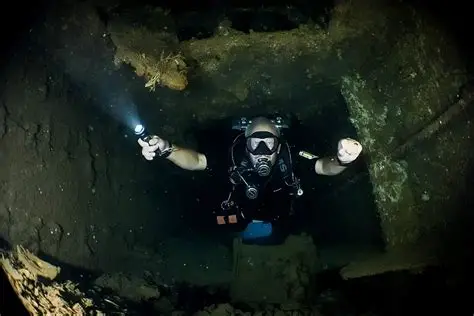
Five Italians die cave diving Maldives 2026 in what authorities believe to be the worst single diving accident in the Indian Ocean island nation’s history. The Italian foreign ministry in Rome confirmed the deaths, stating that the five divers are believed to have died while attempting to explore underwater caves at a depth of approximately 50 metres in Vaavu Atoll — around 100 kilometres south of the Maldivian capital Malé.
Four of the five victims were part of a University of Genoa research team, including professor of ecology Monica Montefalcone, her daughter Giorgia Sommacal who was also a student at the university, research fellow Muriel Oddenino, and marine biology graduate Federico Gualtieri. The fifth victim has been named as Gianluca Benedetti — a boat operations manager and experienced diving instructor who was accompanying the group.
The five Italians entered the water on Thursday morning. When they failed to resurface, the crew of the diving vessel they were travelling on reported them missing. A search and recovery operation — described by the Maldives military as very high risk — was launched immediately, with one body subsequently found in a cave approximately 60 metres underwater. The other four divers were believed to be in the same cave system.
Italians Die Cave Diving Maldives 2026: The Victims Named
The Italians die cave diving Maldives 2026 tragedy has been given its full human weight by the naming of all five victims — people with names, relationships, careers, and lives that extended far beyond the moment of their deaths in an underwater cave system thousands of miles from home.
The University of Genoa confirmed the identities of its four members in an official statement, expressing its deepest condolences to the victims and their families. The statement represented one of the most painful announcements any academic institution can make — the loss of colleagues, researchers, and students who died together in the pursuit of knowledge and exploration.
The five victims named:
| Name | Role | Connection |
|---|---|---|
| Monica Montefalcone | Professor of Ecology | University of Genoa — team leader |
| Giorgia Sommacal | Student | Daughter of Monica Montefalcone |
| Muriel Oddenino | Research Fellow | University of Genoa team member |
| Federico Gualtieri | Marine Biology Graduate | University of Genoa team member |
| Gianluca Benedetti | Diving Instructor / Boat Operations Manager | Accompanying the research group |
The presence of Monica Montefalcone and her daughter Giorgia Sommacal among the victims adds a dimension of personal tragedy to an already devastating event. A mother and daughter — one an established academic, one a student at the same institution — dying together in the same underwater cave system represents a loss that reaches beyond the professional into the profoundly personal for the family members left behind.
Gianluca Benedetti’s inclusion among the victims carries its own particular poignancy. As an experienced diving instructor and boat operations manager, Benedetti was the professional accompaniment to the research group — the person whose expertise and experience was there to keep the team safe. His death alongside those he was guiding underlines the extreme and unpredictable danger that cave diving at depth can present even to the most experienced practitioners.
Italians Die Cave Diving Maldives 2026: What Happened
The Italians die cave diving Maldives 2026 accident unfolded in Vaavu Atoll — one of the Maldives’ less touristically developed atolls, located approximately 100 kilometres south of Malé. The atoll’s waters contain the kind of complex underwater cave and channel systems that attract experienced divers seeking exploration beyond standard recreational dive sites.
The five Italians entered the water on Thursday morning, local media reported. The University of Genoa team’s purpose in the water was exploration — specifically, attempting to explore cave systems at a depth of around 50 metres. At that depth, the physiological and technical demands on divers increase dramatically, and the consequences of any equipment failure, navigational error, or physical incapacitation become potentially unsurvivable.
When the divers failed to resurface after the expected duration of their dive, the crew of the diving vessel raised the alarm. That failure to resurface — the moment when a normal dive becomes a missing persons emergency — triggered an immediate response from Maldivian authorities.
The sequence of events:
- Five Italian divers enter the water in Vaavu Atoll on Thursday morning
- The group attempts to explore underwater cave systems at approximately 50 metres depth
- They fail to resurface after the expected duration of their dive
- The crew of the diving vessel reports them missing to authorities
- The Maldives military launches a search and recovery operation
- Weather conditions in the area are rough — a yellow warning issued for passenger boats and fishermen
- One body is located in a cave approximately 60 metres underwater
- The remaining four divers are believed to be in the same cave system
- Special equipment divers are deployed — the operation is described as very high risk
- The Italian foreign ministry confirms the deaths and identifies the victims
The weather conditions at the time of the accident — rough seas prompting a yellow warning for boats in the area — may have contributed to the difficulty of the dive and the search operation that followed. Rough surface conditions can affect divers’ ability to safely complete ascents and can complicate the logistics of dive support from a surface vessel.
Italians Die Cave Diving Maldives 2026: Why Cave Diving Is So Dangerous
The Italians die cave diving Maldives 2026 tragedy brings renewed attention to the specific and extreme dangers associated with cave diving — one of the most technically demanding and hazardous activities in the world of recreational and scientific diving.
Cave diving differs fundamentally from open water diving in one critical respect — there is no direct ascent to the surface available. An open water diver who encounters a problem can swim upward and reach air. A cave diver who encounters the same problem is surrounded by rock, must navigate back through a complex three-dimensional environment in order to exit, and faces the constant risk of becoming disoriented, running out of breathing gas, or encountering a cave-in or restriction that prevents exit.
Why cave diving at depth is exceptionally dangerous:
- No direct ascent to the surface is possible — exit requires navigating back through the cave
- At 50 metres depth, nitrogen narcosis affects cognitive function and decision-making
- Breathing gas consumption increases dramatically at depth — reducing available time
- Sediment disturbance in caves can reduce visibility to near zero within seconds
- A single equipment failure at depth in a cave can become unsurvivable
- Disorientation in a complex cave system is easy and extremely difficult to recover from
- The psychological demands of cave diving at depth are extreme and unforgiving
- Rough surface conditions can complicate the support vessel’s ability to assist
- The combination of cave environment and significant depth creates compounding risk factors
At 50 metres — the depth at which the Italian team was attempting to explore — divers are also approaching the limits of recreational diving certification standards. Standard open water diving qualifications typically certify divers to a maximum of 18-20 metres. Technical and cave diving certifications exist specifically because the risks at greater depths and in confined underwater environments require specialised training that goes far beyond recreational standards.
Italians Die Cave Diving Maldives 2026: The Search and Recovery Operation
The Italians die cave diving Maldives 2026 recovery operation was itself described by the Maldives military as a very high risk undertaking — a frank acknowledgement that the conditions that killed five experienced divers also presented extreme danger to those sent to recover them.
Special equipment divers were deployed to the cave system after one body was located at approximately 60 metres depth — ten metres deeper than the intended dive depth of the research team, suggesting the group may have descended further into the cave system than originally planned or may have been carried deeper by currents or other factors.
The Maldives military’s characterisation of the search as very high risk reflects the technical reality of cave recovery diving — a discipline that requires specialist training, equipment, and experience that goes beyond even expert-level conventional diving. Entering a cave system in which five people have already died requires extraordinary skill and courage from those carrying out the operation.
Search and recovery operation details:
- Maldives military launched the operation after the crew reported the divers missing
- One body located in a cave at approximately 60 metres depth
- The remaining four divers believed to be in the same cave system
- Special equipment divers deployed to access the cave
- The operation described by military authorities as very high risk
- Weather conditions — rough seas and yellow warning in the area — complicated surface operations
- The location is approximately 100 kilometres south of the Maldivian capital Malé
- Recovery operations in underwater cave systems require specialist cave diving expertise
The University of Genoa issued a statement on social media platform X expressing its “deepest condolences” to the victims — a brief but deeply felt acknowledgement of the loss of colleagues, researchers, and friends from an institution that will feel the weight of this tragedy profoundly.
Italians Die Cave Diving Maldives 2026: Diving Safety in the Maldives
The Italians die cave diving Maldives 2026 accident is described as the worst single diving incident in the Maldives’ history — a distinction that places it in stark contrast to the island nation’s generally strong safety record in recreational diving and snorkelling.
The Maldives is one of the world’s most popular dive destinations. Its string of coral islands, warm waters, and extraordinary marine biodiversity attract hundreds of thousands of divers each year. Diving and snorkelling accidents are described as relatively rare given the volume of water-based activity that occurs across the archipelago annually.
However, fatalities have occurred. In December 2025, an experienced British female diver drowned in a scuba incident off the island resort of Ellaidhoo — with her husband dying five days later after falling ill. In 2024, a Japanese lawmaker died while snorkelling in Lhaviyani Atoll.
Diving safety context in the Maldives:
- The Maldives is one of the world’s premier recreational diving destinations
- Diving and snorkelling accidents are relatively rare given the volume of activity
- Several fatalities have been recorded in recent years despite the overall safety record
- December 2025: An experienced British female diver drowned near Ellaidhoo — her husband died five days later
- 2024: A Japanese lawmaker died while snorkelling in Lhaviyani Atoll
- The 2026 accident is believed to be the worst single diving incident in Maldivian history
- Cave diving at depth represents a significantly higher risk category than standard recreational diving
The distinction between recreational open water diving and the technical cave diving the Italian team was attempting is critical for understanding this accident in its proper context. The Maldives’ strong general diving safety record relates overwhelmingly to recreational diving in open water — a fundamentally different activity from the technical cave exploration that ended in tragedy on Thursday.
Final Word on Italians Die Cave Diving Maldives 2026
The Italians die cave diving Maldives 2026 tragedy has taken five lives — a professor, her daughter, two colleagues, and an experienced instructor — in a moment of catastrophic loss that has devastated the University of Genoa community and sent shockwaves through the Italian scientific and diving worlds.
Monica Montefalcone devoted her career to understanding and protecting the marine environment. She died exploring it — alongside her daughter, her colleagues, and a professional whose job was to keep them safe. That knowledge makes the grief more complex and the loss more difficult to process.
The underwater world that drew them to the Maldives is extraordinary and beautiful. It is also, in its deepest and most confined reaches, utterly unforgiving.
Rest in peace to all five. Their families, colleagues, and the broader community of marine scientists who knew their work grieve a profound loss.