

Sign In
The News Ink™ | World News | Sports | Technology | Business
  • Technology
  • Anime
  • Sports
  • Business & Finance
  • Beauty & Fashion
  • Top Stories
  • More
    • Lifestyle
    • Bizarre
    • Current Affairs
    • Entertainment
    • Health
    • Opinion
    • Science
    • Travel
Reading: FISA Law Explained: Why Trump Wants It Extended and Lawmakers Push Back
Share
Font ResizerAa
The News Ink™ | World News | Sports | Technology | BusinessThe News Ink™ | World News | Sports | Technology | Business
  • Travel
  • Opinion
  • Science
  • Technology
  • Beauty & Fashion
  • Technology
  • Anime
  • Sports
  • Business & Finance
  • Beauty & Fashion
  • Top Stories
  • More
    • Lifestyle
    • Bizarre
    • Current Affairs
    • Entertainment
    • Health
    • Opinion
    • Science
    • Travel
Have an existing account? Sign In
The News Ink™ | World News | Sports | Technology | Business > Blog > Current Affairs > FISA Law Explained: Why Trump Wants It Extended and Lawmakers Push Back
Current Affairs

FISA Law Explained: Why Trump Wants It Extended and Lawmakers Push Back

Dowry Lane
Last updated: September 13, 2026 9:59 am
Dowry Lane
Share
FISA law Section 702 surveillance debate NSA headquarters
Debate intensifies over Section 702 and its impact on privacy and national security.
SHARE

The debate over the Foreign Intelligence Surveillance Act has intensified as lawmakers struggle to agree on its future. The US Congress recently passed a short-term extension, keeping the law active for 10 more days after failing to reach a long-term agreement.

Contents
What Is the FISA Law?Understanding Section 702Why Lawmakers Are DividedWhy the Extension Is TemporaryWhat Happens Next?

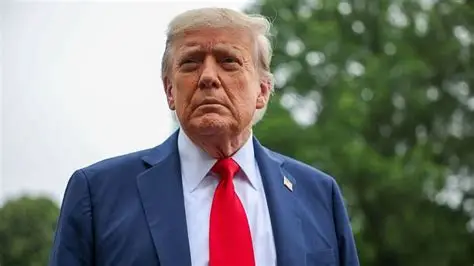
Donald Trump has called for a full extension of the law. However, growing concerns about privacy and surveillance have led to resistance from members of both political parties.

What Is the FISA Law?

The Foreign Intelligence Surveillance Act, introduced in 1978, regulates how US intelligence agencies collect information related to foreign threats. It also requires telecommunications companies to assist in certain investigations.

A special court, known as the FISA Court, reviews government requests for surveillance activities. This process aims to ensure that intelligence operations comply with the US Constitution, particularly protections against unreasonable searches.

Understanding Section 702

A key part of the law is Section 702, added in 2008. It allows agencies like the National Security Agency to monitor communications of non-US citizens located abroad without a warrant.

In practice, this surveillance often uses data from US-based digital systems. While targeting foreigners, the program can also collect communications involving American citizens if they interact with individuals under surveillance.

The NSA frequently works with agencies such as the Federal Bureau of Investigation to analyze this data and identify potential threats.

Why Lawmakers Are Divided

Supporters argue that Section 702 plays a critical role in national security. Officials say it helps prevent terrorism, disrupt cyberattacks, and combat international crime.

However, critics believe the law allows excessive surveillance. Organizations like the American Civil Liberties Union argue that it enables mass data collection without proper oversight.

Opponents also worry that information gathered without a warrant could be used in criminal cases unrelated to national security, raising serious privacy concerns.

Why the Extension Is Temporary

Efforts to extend the law for several years have failed due to disagreements over reforms. As a result, Congress approved only a short-term extension to avoid a lapse in surveillance authority.

This temporary solution gives lawmakers more time to negotiate changes, including possible limits on how data is collected and used.

What Happens Next?

The future of the FISA law remains uncertain. Lawmakers must now decide whether to renew the program, modify it, or introduce stricter safeguards.

The outcome will shape how the United States balances national security with individual privacy in an increasingly digital world.


Subscribe to Our Newsletter

Subscribe to our newsletter to get our newest articles instantly!

[mc4wp_form]
TAGGED:American Civil Liberties UnionDonald TrumpFederal Bureau of InvestigationFISA CourtFISA Section 702Foreign Intelligence Surveillance ActNational Security AgencyPrivacy RightsSurveillance ReformUS Congress
Share This Article
Twitter Email Copy Link Print
Previous Article Doug Ford private jet Bombardier Challenger 650 Ontario controversy Doug Ford Faces Backlash Over $21M Private Jet Purchase in Ontario
Next Article World Cup 2026 train MetLife Stadium transport fans high fares High World Cup Train Fares Spark Debate Over Fan Experience
Leave a comment

Leave a Reply Cancel reply

You must be logged in to post a comment.

Editor's Pick

Hot News

Bitcoin multisig security illustrated by three separate hardware signing devices requiring two approvals to authorize a Bitcoin transaction.

Bitcoin Multisig Explained: How 2-of-3 Wallets Work, Security Risks and Recovery

Bitcoin Multisig Explained: How 2-of-3 Wallets Work, Security Risks and…

November 6, 2026

Binance $6.3 Billion Hack Explained: How the Biggest Crypto Heist Happened and What It Means for Bitcoin Investors

Binance $6.3 Billion Hack Explained: How…

October 31, 2026

Bitcoin on Exchange vs Self-Custody: Which Is Safer?

Bitcoin on Exchange vs Self-Custody: Which…

October 30, 2026

How Does Spotify Make Money When You Listen for Free?

How Does Spotify Make Money When…

October 23, 2026

Why Do Supermarkets Put Milk at the Back of the Store?

Why Do Supermarkets Put Milk at…

October 23, 2026

You Might Also Like

US midterm elections in 2026 showing the United States Capitol and American voters participating in congressional elections.
Current Affairs

US Midterm Elections Explained: How They Work and What the 2026 Results Mean

US Midterm Elections Explained: How They Work and What the 2026 Results Mean Every four years, Americans elect a president.…

31 Min Read
Russia-Ukraine ceasefire talks involving Ukraine Russia and United States as humanitarian truce begins in Oleshky
Current Affairs

Russia-Ukraine Ceasefire Announced: Is a Real Peace Deal Finally Possible?

Russia-Ukraine Ceasefire Announced: Is a Real Peace Deal Finally Possible? A new Russia-Ukraine ceasefire has been announced, creating another moment…

28 Min Read

Texas flood warning UAE urges citizens to stay alert

The UAE Consulate General in Houston has issued an urgent advisory for Emirati citizens in the United States as severe…

6 Min Read
Nepal-China flood disaster after Himalayan glacier collapse leaves nearly 3,000 missing
Current Affairs

Nepal-China Flood Disaster: Nearly 3,000 Missing After Himalayan Glacier Collapse

Nepal-China Flood Disaster: Nearly 3,000 Missing After Himalayan Glacier Collapse The Nepal-China flood disaster has become one of the deadliest…

24 Min Read
The News Ink™ | World News | Sports | Technology | Business

Categories

  • Anime
  • Beauty & Fashion
  • Bizarre
  • Business & Finance
  • Current Affairs

Explore

  • Top Stories
  • Entertainment
  • Health
  • Lifestyle
  • Opinion

More

  • Science
  • Sports
  • Technology
  • Travel

Legal Docs

  • Home
  • About Us
  • Contact
  • Blog
  • Privacy Policy
  • Terms and Conditions

© The News Ink. All Rights Reserved. Powered By IQC Solutions ®

Oil prices slide after hopes rise for a US-Iran peace agreement
Join Us!

Subscribe to our newsletter and never miss our latest news, podcasts etc..

Zero spam, Unsubscribe at any time.
Go to mobile version
Welcome Back!

Sign in to your account

Register Lost your password?