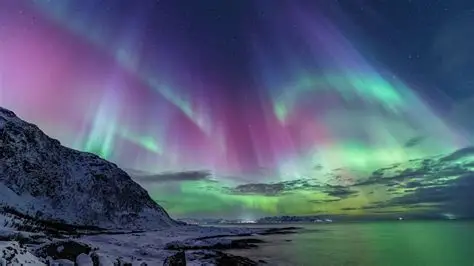
Experts believe 2026 will be one of the best years in over a decade to see the Northern Lights. Increased solar activity means stronger and more frequent auroras across northern regions.
Astrophotographer Wil Cheung has witnessed the aurora more than 400 times. He now shares his experience and practical tips to help travelers witness this breathtaking phenomenon.
The Moment That Started an Aurora Obsession
In 2015, Cheung visited Iceland to watch the Solar eclipse of March 20, 2015.
During the trip, he heard about a strong aurora forecast over Thingvellir National Park.
At first, he hesitated to drive out in freezing weather. But the decision changed everything.
As they drove, colors began to appear in the sky. Soon bright pillars of light stretched across the horizon.
Cheung and his friends lay in the snow for hours watching the lights dance above them.
He later said the moment felt almost spiritual.
That night sparked a passion for night-sky photography and aurora chasing.
Turning Passion Into Education
Back home in Northumberland, Cheung volunteered at a local observatory and studied celestial photography.
By 2017, he began hosting stargazing and aurora talks at Northumberland National Park.
Later he started international aurora tours. The demand quickly exploded, with waiting lists stretching up to 17 years.
Today he has observed the aurora across Europe and the Arctic, from northern France to the polar regions.
Best Places in the World to See the Northern Lights
Auroras usually appear in a region known as the aurora oval, which sits above the Arctic Circle.
The best locations include:
-
Norway
-
Finland
-
Sweden
-
Greenland
-
Iceland
-
Canada
-
Alaska
One famous viewing location is Tromsø. However, cloud cover often blocks the sky there.
Cheung recommends Akureyri instead. The location offers a good mix of clear skies and strong aurora activity.
He also praises Iceland for its easy road access, which helps travelers chase clear skies.
Why Cruises Can Be Great for Aurora Hunting
Aurora cruises offer another advantage.
Ships move away from clouds and city lights, giving travelers darker skies.
Cheung recalls seeing an intense red aurora while sailing along the coast of northern Norway. He described it as one of the most dramatic displays he had ever seen.
Best Conditions to See the Aurora
Several factors improve your chances of seeing the Northern Lights:
1. Choose dark nights
A moonless sky makes auroras easier to see.
2. Avoid city lights
Travel far from urban areas to escape light pollution.
3. Check the northern horizon
Even a small town north of you can create a glow that hides the aurora.
4. Monitor the weather
Clear skies are essential. Clouds are the biggest obstacle for aurora hunters.
Cheung also recommends checking light-pollution maps before choosing a location.
What to Pack for Aurora Hunting
Cold weather preparation is essential.
Cheung advises travelers to focus on function rather than fashion.
Recommended items include:
-
Thermal layers
-
Waterproof clothing
-
A three-in-one winter jacket
-
Foot warmers
-
Insulated gloves
-
Heated vests
Long nights outdoors in freezing temperatures require serious protection.
When to Plan Your Trip
Aurora season often overlaps with the quiet tourism months in northern countries.
Because of this, flights to places like Norway and Iceland can be surprisingly affordable.
Cheung suggests booking flights close to your travel date. This allows you to check weather forecasts and improve your chances of clear skies.
Final Thoughts
The Northern Lights remain one of Earth’s most spectacular natural displays.
With 2026 expected to bring strong aurora activity, travelers may have a rare chance to witness the phenomenon at its best.
With the right destination, preparation, and patience, the night sky might reward you with an unforgettable show.