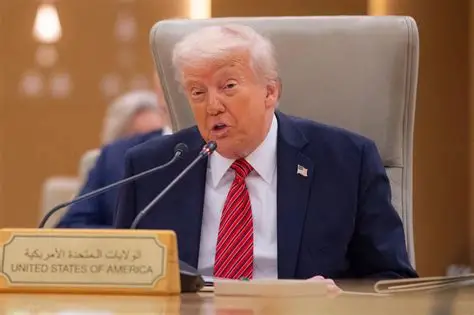
The proposed Iran US agreement appears to be gaining momentum after US President Donald Trump claimed Iran is “getting a lot closer” to reaching a deal with Washington.
Iranian officials also signaled progress in negotiations during the past week, although major disagreements remain unresolved.
The latest developments come amid rising global concern over tensions in the Middle East and fears of possible military escalation if negotiations fail.
Donald Trump Says Iran US Agreement Is Near
Speaking to CBS News, Trump said he had already reviewed a draft version of the proposed Iran US agreement.
However, the US president stopped short of confirming whether the deal met all American demands.
Trump stressed that he would only approve an agreement that fully protected US interests and blocked Iran from developing nuclear weapons.
According to Trump:
- Iran is “getting a lot closer” to an agreement
- Any deal must stop Iran from obtaining nuclear weapons
- The US will not compromise on key security demands
- Failure to reach a deal could trigger severe consequences
The president warned that if negotiations collapse, Iran could face heavy retaliation and increased pressure from Washington.
Iran Signals Progress in Negotiations
Iranian officials also acknowledged progress surrounding the possible Iran US agreement.
Esmaeil Baqaei stated that the positions of Tehran and Washington had become closer during recent talks.
However, Baqaei cautioned that several major disagreements still exist between both sides.
He accused the United States of making contradictory public statements while negotiations continued behind closed doors.
According to Iranian officials, negotiators are currently working on a draft framework that could eventually lead to a larger final agreement.
Iran Proposes 14-Point Framework
Iran revealed that discussions currently center around a proposed 14-point memorandum designed to create the foundation for a future Iran US agreement.
Officials said the framework would act as a preliminary understanding between the two countries before formal negotiations continue.
Iranian representatives explained that:
- A draft memorandum is being finalized
- Additional negotiations could continue for 30 to 60 days
- A final agreement may follow afterward
- Key disputes still require further discussion
The framework reportedly focuses on easing tensions and maintaining diplomatic communication between both governments.
Nuclear Weapons Issue Remains Sensitive
One of the biggest challenges facing the potential Iran US agreement remains the issue of nuclear weapons.
Iran’s foreign ministry stated that nuclear-related matters would not form part of any initial framework proposal.
Meanwhile, the US continues demanding strict guarantees that Iran will never develop a nuclear weapon.
Trump insisted the United States would only support a deal that completely prevents Iran from obtaining nuclear capabilities.
US Secretary of State Marco Rubio repeated that position during a visit to India.
Rubio also urged Iran to surrender its highly enriched uranium stockpiles.
Marco Rubio Remains Cautiously Optimistic
As talks surrounding the Iran US agreement continue, Rubio said there could be important developments over the weekend.
Although cautious, the secretary of state expressed optimism that diplomacy could still succeed.
Rubio emphasized several American priorities, including:
- Preventing Iran from obtaining nuclear weapons
- Securing safe navigation through the Strait of Hormuz
- Reducing regional instability
- Ensuring stricter oversight of uranium enrichment
The Strait of Hormuz remains one of the world’s most strategically important oil shipping routes.
Any instability in the region could significantly affect global energy markets.
Military Action Still Looms in Background
Despite signs of progress, concerns remain that the failure of an Iran US agreement could trigger military conflict.
Reports emerged earlier this week suggesting US officials had discussed possible military strike options if diplomacy collapses.
Although no final decision has reportedly been made, the speculation increased fears of renewed confrontation.
Trump recently stated he would remain in Washington during this “important period of time” rather than attend a family wedding event.
His decision fueled speculation that negotiations may have entered a critical phase.
Temporary Ceasefire Continues
The current temporary ceasefire between Iran and the United States began in early April.
Since then, both governments have continued indirect discussions aimed at reducing tensions and avoiding military escalation.
However, negotiations have faced repeated setbacks.
Last week, Trump criticized Iranian demands and described the truce as being on “massive life support.”
Despite those comments, both sides now appear more willing to continue discussions.
Regional Leaders Expected to Join Discussions
Reports suggest Trump may also hold conversations with several regional leaders regarding the proposed Iran US agreement.
According to Reuters, leaders from the following countries may participate in discussions:
- Saudi Arabia
- Qatar
- United Arab Emirates
- Egypt
- Turkey
- Pakistan
Regional governments continue monitoring negotiations closely because any conflict between Iran and the United States could destabilize the wider Middle East.
Global Markets Watching Iran US Agreement Closely
Financial markets and global energy companies are closely following updates regarding the possible Iran US agreement.
Investors fear that escalating tensions could disrupt oil shipments and increase fuel prices worldwide.
Diplomatic progress could help stabilize regional markets and reduce uncertainty.
However, analysts warn that negotiations remain fragile and could collapse if disagreements over nuclear policy intensify.
Key Facts About the Iran US Agreement Talks
Main Highlights
- Donald Trump says Iran is “getting a lot closer” to a deal
- Iran confirmed progress in recent negotiations
- A 14-point framework proposal is under discussion
- Nuclear weapons remain the biggest disagreement
- Marco Rubio says talks could see updates soon
- Military strike concerns still remain in the background
- Regional leaders continue monitoring developments closely
Final Thoughts
The proposed Iran US agreement has entered a potentially critical stage as both Washington and Tehran cautiously signal progress.
Although serious disagreements remain unresolved, the latest diplomatic activity suggests both sides are still pursuing negotiations rather than direct confrontation.
The coming weeks may determine whether the talks produce a historic agreement or push the region toward renewed instability.
- Read more world politics coverage at The News Ink CURRENT AFFAIRS.
- Explore our latest Middle East news updates
- Check more international diplomacy stories