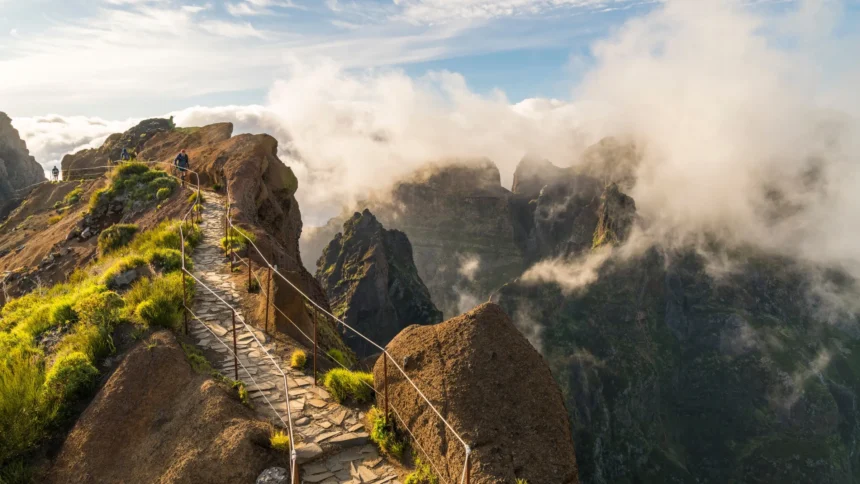
The World’s Most Extraordinary Places Where Civilization Meets Nature
Some of the world’s most unforgettable journeys are found in places where ancient civilizations and breathtaking landscapes exist side by side. From forgotten mountain cities to temples hidden within dense jungles, these travel destinations where history and nature collide offer experiences that go far beyond ordinary tourism.
These remarkable locations combine historical significance with natural beauty, allowing travelers to explore archaeological wonders surrounded by mountains, forests, deserts, rivers, and oceans. They reveal how ancient societies adapted to their environments while creating architectural masterpieces that continue inspiring modern generations.
Today, many travel destinations where history and nature collide attract adventurers, photographers, historians, and cultural explorers searching for deeper travel experiences connected to both the natural world and human history.
Machu Picchu, Peru: The Lost City Above the Clouds
Few travel destinations where history and nature collide are as iconic as Machu Picchu. Hidden high in Peru’s Andes Mountains, this 15th-century Incan citadel blends seamlessly into its dramatic natural surroundings.
Surrounded by mist-covered peaks and lush green valleys, Machu Picchu demonstrates the extraordinary engineering abilities of the Inca civilization. Massive stone structures were carefully constructed without mortar, allowing the city to survive earthquakes and harsh mountain weather for centuries.
Why Machu Picchu Stands Out
| Feature | Importance |
|---|---|
| Mountain Landscape | Stunning panoramic scenery |
| Incan Architecture | Advanced stone engineering |
| Historical Mystery | Purpose remains debated |
| Biodiversity | Rich Andean ecosystem |
The journey to Machu Picchu is part of its appeal. Many travelers hike the famous Inca Trail through forests, mountain passes, and ancient pathways before reaching the legendary site.
According to UNESCO World Heritage Centre, Machu Picchu is recognized for both its cultural significance and exceptional natural environment.
For more travel stories and cultural discoveries, visit The News Ink and explore fascinating destinations around the world.
Petra, Jordan: Ancient Architecture in the Desert
Petra is one of the most visually stunning travel destinations where history and nature collide. Located within the deserts and rocky canyons of southern Jordan, this ancient Nabataean city was carved directly into towering sandstone cliffs more than 2,000 years ago.
The dramatic desert landscape surrounding Petra creates a unique atmosphere that feels both historical and otherworldly. Narrow canyons, rugged mountains, and changing rock colors make the site especially popular among photographers and adventure travelers.
Highlights of Petra
- The Treasury (Al-Khazneh)
- The Monastery (Ad Deir)
- Ancient tombs and temples
- Desert hiking trails
- Natural sandstone formations
Petra also showcases remarkable engineering achievements. The Nabataeans developed advanced water systems that allowed them to thrive in one of the region’s harshest desert environments.
The official UNESCO Petra Listing describes Petra as one of humanity’s greatest cultural treasures and archaeological masterpieces.
Travel insights from National Geographic Travel further highlight Petra’s extraordinary blend of nature and ancient civilization.
Angkor Wat, Cambodia: Jungle Temples of the Khmer Empire
Deep within Cambodia’s tropical forests lies Angkor Wat, one of the greatest travel destinations where history and nature collide. Originally built during the 12th century by the Khmer Empire, the vast temple complex became partially reclaimed by jungle over time, creating one of the world’s most breathtaking archaeological landscapes.
Towering trees, hanging roots, and dense vegetation surround ancient stone temples, giving visitors the feeling of stepping into a forgotten world.
Why Angkor Wat Captivates Travelers
| Aspect | Details |
|---|---|
| Architectural Scale | Largest religious monument on Earth |
| Jungle Environment | Temples surrounded by tropical forest |
| Religious History | Hindu and Buddhist significance |
| Artistic Detail | Intricate carvings and sculptures |
Sunrise at Angkor Wat is considered one of the most spectacular travel experiences in Southeast Asia. The reflection of the temple towers across nearby water creates unforgettable scenery.
As one of the most famous travel destinations where history and nature collide, Angkor demonstrates how nature and ancient architecture can exist together in remarkable harmony.
The UNESCO Angkor Page explains the cultural and historical importance of this extraordinary heritage site.
The Great Wall of China: History Across Mountains and Valleys
Stretching across mountains, deserts, and forests, the Great Wall of China is among the most extraordinary travel destinations where history and nature collide. Built over centuries to protect Chinese territories from invasions, the wall crosses some of Asia’s most dramatic landscapes.
Travelers visiting the Great Wall experience not only historical architecture but also stunning panoramic views of rugged mountain ranges and untouched countryside.
What Makes the Great Wall Unique
- Over 21,000 kilometers in length
- Mountain-top watchtowers
- Diverse natural scenery
- Historic military significance
Different sections of the wall offer unique experiences. Some areas near Beijing are carefully restored, while others remain wild and partially overgrown by nature.
The combination of historical importance and breathtaking landscapes makes the Great Wall one of the world’s greatest travel destinations where history and nature collide.
The official UNESCO Great Wall Listing provides detailed information about its preservation and global importance.
Mesa Verde National Park, USA: Ancient Cliff Dwellings in the Wilderness
Located in Colorado, Mesa Verde National Park offers one of North America’s most fascinating travel destinations where history and nature collide. The site preserves ancient cliff dwellings built by the Ancestral Pueblo people more than 700 years ago.
These stone villages were constructed directly into canyon walls, blending naturally into the surrounding landscape.
Key Features of Mesa Verde
| Feature | Significance |
|---|---|
| Cliff Palace | Largest cliff dwelling in North America |
| Canyon Landscape | Dramatic desert scenery |
| Archaeological Sites | Preserved ancient communities |
| Wildlife | Rich natural ecosystem |
Visitors can explore ancient homes, ceremonial structures, and breathtaking canyon viewpoints while learning about the daily lives of the region’s early inhabitants.
Mesa Verde stands out among travel destinations where history and nature collide because it combines cultural heritage with protected wilderness in a uniquely American landscape.
The National Park Service Mesa Verde Guide offers detailed visitor information and historical background.
Why Travelers Are Drawn to Destinations Where History and Nature Meet
The growing popularity of travel destinations where history and nature collide reflects a deeper desire for meaningful travel experiences. Modern travelers increasingly seek places that offer more than entertainment or luxury. They want connection, discovery, and perspective.
These destinations provide:
- Cultural and historical education
- Scenic natural beauty
- Adventure opportunities
- Unique photography experiences
- Deeper understanding of ancient civilizations
Many of these sites also demonstrate how earlier societies respected and adapted to their natural surroundings. Ancient builders often used landscapes strategically for defense, spirituality, agriculture, and survival.
Organizations such as UNESCO Official Website continue working to preserve these globally important landmarks for future generations.
Final Thoughts on Travel Destinations Where History and Nature Collide
The world’s most extraordinary journeys often happen where ancient civilizations and natural wonders exist together. From the mountain peaks of Peru to Cambodia’s jungle temples and Jordan’s desert canyons, these travel destinations where history and nature collide reveal the incredible relationship between humanity and the environment.
Exploring these remarkable places allows travelers to experience architecture, culture, history, and breathtaking landscapes all at once. More importantly, they remind us that nature and civilization have always shaped one another throughout human history.
For more travel inspiration, historical features, and global cultural stories, visit The News Ink and discover the world’s most fascinating destinations.