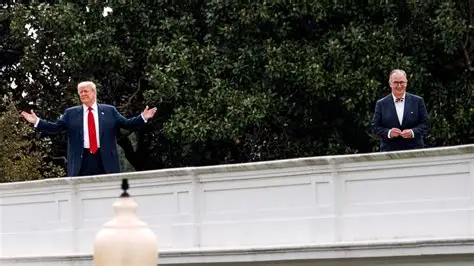
Senate GOP Proposes $1 Billion for Trump Ballroom Security in Massive Funding Plan
Senate Republicans are advancing a sweeping funding proposal that blends immigration enforcement with high-level security upgrades at the White House. At the center of the plan is a controversial $1 billion allocation for the United States Secret Service, tied to security enhancements for a proposed ballroom linked to Donald Trump.
The funding appears within a broader $70 billion legislative package designed to strengthen border enforcement and immigration operations. While the proposal emphasizes national security, it has also sparked debate over the use of taxpayer money for infrastructure tied to presidential projects.
A Massive Funding Package with Multiple Priorities
The proposal, introduced by GOP-led Senate committees, outlines major investments in immigration enforcement agencies. It aims to fund operations through September 2029, signaling a long-term strategy.
Breakdown of Proposed Funding:
| Category | Allocation |
|---|---|
| Immigration and Customs Enforcement (ICE) | $38 billion |
| Customs and Border Protection (CBP) | $26 billion |
| Secret Service Security Enhancements | $1 billion |
| Total Package | ~$70 billion |
The plan focuses heavily on strengthening border control systems while also addressing security concerns within federal facilities.
Why the Ballroom Security Funding Matters
The $1 billion earmarked for security upgrades connects directly to the White House’s East Wing modernization, which includes plans for a new ballroom.
According to legislative text, the funding will support:
- Above-ground security infrastructure
- Underground protective systems
- Enhanced Secret Service operations
Importantly, lawmakers specified that the funds cannot be used for non-security aspects of construction, such as design or aesthetic features.
From Private Funding to Public Debate
The Trump administration previously indicated that private donors would finance the ballroom project. However, recent developments have shifted the conversation.
Following a security incident at a high-profile Washington event, Republican lawmakers have emphasized the need for stronger protections around presidential facilities.
Key Arguments Supporting the Funding:
- Increased security risks at major events
- Need for modernized protective infrastructure
- Long-term use for future administrations
- Integration of security into new construction
Supporters argue that security cannot be separated from infrastructure planning, especially in high-risk environments.
Political Momentum Builds in the Senate
Prominent Republican figures have pushed for dedicated funding for the ballroom project.
Lindsey Graham has introduced a separate proposal seeking $400 million for the project, including a secure underground annex.
Meanwhile, Katie Britt has voiced support for responsible oversight, emphasizing that the facility would serve future presidents rather than just the current administration.
Security Concerns Drive Urgency
Lawmakers cite recent security threats as a key reason for accelerating funding discussions. The argument centers on the evolving nature of risks facing national leaders.
Security Priorities Highlighted:
- Protecting large-scale events at the White House
- Enhancing rapid response capabilities
- Strengthening physical barriers and surveillance systems
- Preparing for future threats
Supporters frame the funding as a proactive measure rather than a reactive one.
Immigration Enforcement Remains the Core Focus
While the ballroom funding has drawn attention, the bulk of the package targets immigration enforcement.
The proposal includes significant investments in:
- Border surveillance technology
- Personnel expansion for enforcement agencies
- Infrastructure upgrades at border facilities
- Detention and processing capacity
These measures align with broader Republican priorities on border security and immigration control.
Legislative Strategy: Fast-Tracking Through Reconciliation
Republicans plan to pass the package using the reconciliation process, which allows legislation to move forward with a simple majority in the Senate.
This strategy avoids the need for bipartisan support and accelerates the timeline.
Key Steps Ahead:
- Committee review and amendments
- Senate vote along party lines
- Integration with broader budget framework
Lawmakers aim to finalize funding decisions before upcoming deadlines tied to federal agency operations.
The Role of the Department of Homeland Security
The funding push follows recent challenges within the Department of Homeland Security.
Earlier this year, lawmakers faced a prolonged shutdown affecting key DHS functions. While a temporary resolution restored operations, it did not include long-term funding for immigration enforcement.
This new package seeks to fill that gap while addressing broader security needs.
Debate Over Taxpayer Responsibility
The proposal has sparked discussion about the appropriate use of public funds.
Critics Question:
- Should taxpayers fund projects linked to presidential initiatives?
- Is the ballroom a necessity or a luxury?
- Could funds be better allocated elsewhere?
Supporters Respond:
- Security enhancements justify the investment
- The facility will serve future administrations
- National security infrastructure requires federal funding
The debate reflects broader tensions over spending priorities and government accountability.
Balancing Security and Optics
The challenge for lawmakers lies in balancing practical security needs with public perception.
While security upgrades are widely supported, linking them to a ballroom project adds complexity.
This situation resembles a carefully plated dish—where presentation matters just as much as substance. The ingredients may be essential, but how they are combined shapes public reaction.
Key Takeaways
- Senate Republicans propose $1 billion for Secret Service upgrades
- Funding ties to Trump’s White House ballroom project
- The package totals approximately $70 billion
- Immigration enforcement receives the majority of funding
- Debate continues over taxpayer involvement
Conclusion
The Senate GOP’s funding proposal highlights the intersection of national security, infrastructure, and political strategy. While the $1 billion allocation for ballroom-related security upgrades has drawn attention, it represents just one piece of a much larger legislative effort.
As lawmakers move forward, the focus will remain on balancing security needs with fiscal responsibility. Whether the proposal gains full approval or undergoes changes, it underscores a broader reality: in today’s environment, security planning is inseparable from long-term governance.