



Sign In
The News Ink™ | World News | Sports | Technology | Business
  • Technology
  • Anime
  • Sports
  • Business & Finance
  • Beauty & Fashion
  • Top Stories
  • More
    • Lifestyle
    • Bizarre
    • Current Affairs
    • Entertainment
    • Health
    • Opinion
    • Science
    • Travel
Reading: Global Recession Risk Rises as Iran Conflict Pushes Energy Prices Higher
Share
Font ResizerAa
The News Ink™ | World News | Sports | Technology | BusinessThe News Ink™ | World News | Sports | Technology | Business
  • Travel
  • Opinion
  • Science
  • Technology
  • Beauty & Fashion
  • Technology
  • Anime
  • Sports
  • Business & Finance
  • Beauty & Fashion
  • Top Stories
  • More
    • Lifestyle
    • Bizarre
    • Current Affairs
    • Entertainment
    • Health
    • Opinion
    • Science
    • Travel
Have an existing account? Sign In
The News Ink™ | World News | Sports | Technology | Business > Blog > Business & Finance > Global Recession Risk Rises as Iran Conflict Pushes Energy Prices Higher
Business & Finance

Global Recession Risk Rises as Iran Conflict Pushes Energy Prices Higher

Dowry Lane
Last updated: September 14, 2026 9:44 am
Dowry Lane
Share
Global oil prices rising due to Iran conflict impacting world economy
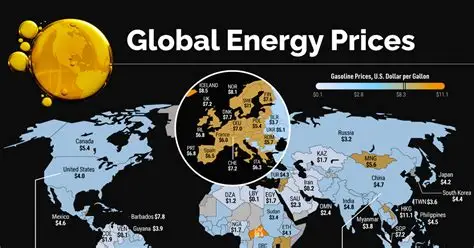
Rising energy prices linked to the Iran conflict increase global recession concerns.
SHARE

The International Monetary Fund (IMF) has warned that the global economy could slide toward a recession if the ongoing conflict between the United States, Israel, and Iran continues. Rising energy prices remain the biggest concern.

In its latest World Economic Outlook report, the IMF explained that global growth could drop below 2% in 2026 under worst-case conditions. These conditions include sharp and sustained increases in oil, gas, and food prices over the next two years.

Such a slowdown would bring the world dangerously close to a recession—a rare event that has occurred only a few times since 1980, most recently during the COVID-19 pandemic.

Energy prices surged shortly after the conflict began more than six weeks ago. The disruption largely stems from the closure of the Strait of Hormuz, a vital global oil transit route. At the same time, failed peace negotiations between the US and Iran have added to market uncertainty.

The IMF emphasized that geopolitical tensions in the Middle East have once again threatened global economic stability. According to its projections, oil prices could average $110 per barrel this year and climb to $125 by 2027 if the conflict persists.

Higher energy costs would likely push global inflation up to around 6% next year. In response, central banks may increase interest rates to control rising prices. However, higher rates could also slow economic activity and increase borrowing costs.

IMF chief economist Pierre-Olivier Gourinchas warned that a prolonged conflict would fuel inflation, raise unemployment, and increase food insecurity in vulnerable regions.

He added that even if the conflict ends soon, the disruption to oil supply could mirror the impact of the 1970s oil crisis. During that period, oil embargoes caused major economic shocks worldwide.

However, he noted that the global economy is now less dependent on fossil fuels. This shift could reduce the overall impact on consumers compared to past crises.

Oil prices recently approached $120 per barrel during peak tensions but have since dropped. As of now, crude oil trades at around $98 per barrel, offering some relief to global markets.

The IMF also clarified that recession risks will increase significantly only if severe conditions persist over two years. If the conflict resolves in the coming weeks and energy exports from the Middle East stabilize by mid-year, global growth could reach 3.1% in 2026.

Although this figure is slightly below earlier forecasts, it suggests that the global economy can still avoid a major downturn if conditions improve.

Among advanced economies, the United Kingdom may face the strongest impact from rising energy costs. The IMF has lowered its growth forecast for the UK to 0.8% this year, down from 1.3%. However, it expects the economy to recover gradually, with growth reaching 1.3% next year.


Subscribe to Our Newsletter

Subscribe to our newsletter to get our newest articles instantly!

[mc4wp_form]
TAGGED:Energy PricesGlobal InflationGlobal Recession RiskInternational Monetary Fundoil pricesPierre-Olivier GourinchasStrait of Hormuz
Share This Article
Twitter Email Copy Link Print
Previous Article Pakistan Saudi Arabia defence cooperation deployment Pakistan sends military force, fighter jets to Saudi Arabia
Next Article Gaza conflict aftermath with damaged buildings amid stalled peace talks Gaza Peace Talks Stall as Hamas Rejects Disarmament Proposal
Leave a comment

Leave a Reply Cancel reply

You must be logged in to post a comment.

Editor's Pick

Hot News

Bitcoin mining with ASIC miners securing the Bitcoin network through proof of work

Bitcoin Mining Explained: How Miners Secure the Network and Earn BTC

Bitcoin Mining Explained: How Miners Secure the Network and Earn…

September 10, 2026

Bitcoin History Explained: From Satoshi Nakamoto to Global Adoption

Bitcoin History Explained: From Satoshi Nakamoto…

September 10, 2026

How Bitcoin Works Explained: Blockchain, Transactions and Proof of Work

How Bitcoin Works Explained: Blockchain, Transactions…

September 10, 2026

Bitcoin Explained: Complete Guide to How It Works, Mining, Wallets, ETFs and the Future

Bitcoin Explained: Complete Guide to How…

September 10, 2026

Iran Vows “Devastating” Response as U.S. Prepares Toughest Sanctions on Iran Yet

Iran Vows “Devastating” Response as U.S.…

August 21, 2026

You Might Also Like

Asim Munir Tehran visit amid Pakistan efforts to revive US-Iran peace talks
Current Affairs

Asim Munir Tehran Visit: Why Pakistan Is Stepping Into the US-Iran Crisis

Asim Munir Tehran Visit: Why Pakistan Is Stepping Into the US-Iran Crisis The Asim Munir Tehran visit places Pakistan back…

27 Min Read
U.S. national debt reaches $40 trillion as Treasury bond yields rise and fiscal concerns grow
Business & Finance

U.S. National Debt Hits $40 Trillion as Bond-Market Fears Grow

U.S. National Debt Hits $40 Trillion as Bond-Market Fears Grow The U.S. national debt has crossed $40 trillion for the…

27 Min Read
Strait of Hormuz crisis pushes oil prices higher as Trump threatens countries supporting Iran
Current Affairs

Trump Threatens Countries Supporting Iran as Strait of Hormuz Crisis Pushes Oil Higher

Trump Threatens Countries Supporting Iran as Strait of Hormuz Crisis Pushes Oil Higher The Strait of Hormuz crisis entered a…

24 Min Read
Canada US trade deal negotiations continue as Washington and Ottawa work to finalize tariff terms
Business & Finance

Canada US Trade Deal Nears Finish Line, but Key Details Remain Murky

Canada US Trade Deal Nears Finish Line, but Key Details Remain Murky The Canada US trade deal moved much closer…

24 Min Read
The News Ink™ | World News | Sports | Technology | Business

Categories

  • Anime
  • Beauty & Fashion
  • Bizarre
  • Business & Finance
  • Current Affairs

Explore

  • Top Stories
  • Entertainment
  • Health
  • Lifestyle
  • Opinion

More

  • Science
  • Sports
  • Technology
  • Travel

Legal Docs

  • Home
  • About Us
  • Contact
  • Blog
  • Privacy Policy
  • Terms and Conditions

© The News Ink. All Rights Reserved. Powered By IQC Solutions ®

Oil prices slide after hopes rise for a US-Iran peace agreement
Join Us!

Subscribe to our newsletter and never miss our latest news, podcasts etc..

Zero spam, Unsubscribe at any time.
Go to mobile version
Welcome Back!

Sign in to your account

Register Lost your password?