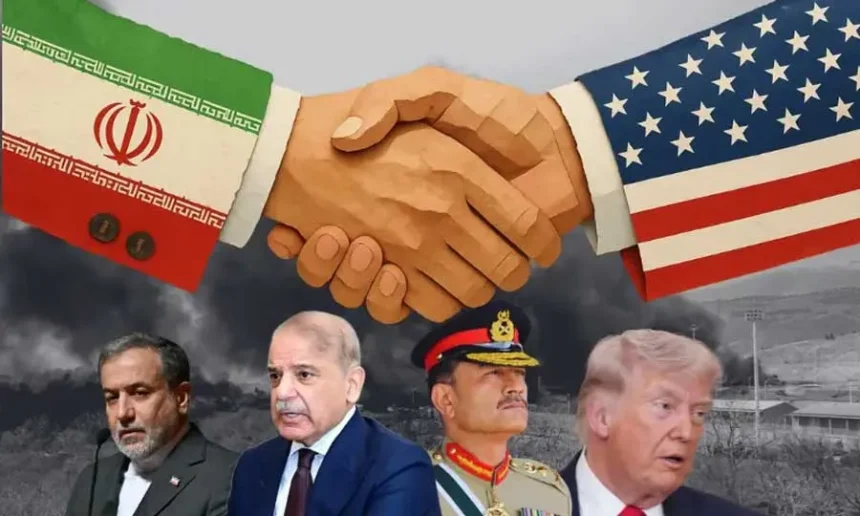
Pakistan’s Telephonic Diplomacy During US-Iran Conflict
Since the outbreak of the US-Israel war on Iran on February 28, Pakistan has actively pursued telephonic diplomacy to manage rising regional tensions. Prime Minister Shehbaz Sharif and Deputy Prime Minister and Foreign Minister Ishaq Dar have led continuous outreach efforts, engaging key global and regional leaders.
Early Outreach by Pakistan’s Leadership
From the first day of the conflict, Shehbaz Sharif initiated contact with Gulf leaders, expressing concern over escalating tensions and reaffirming Pakistan’s commitment to regional stability. These early calls reflected Islamabad’s intent to play a constructive diplomatic role.
Expanding Regional Engagement
In the following weeks, both Shehbaz Sharif and Ishaq Dar intensified their diplomatic efforts. They held multiple conversations with officials in Tehran, Gulf nations, and other influential regional players. This consistent engagement highlighted Pakistan’s strategy of maintaining open communication channels across opposing sides.
Positioning Pakistan as a Diplomatic Bridge
Through sustained telephonic diplomacy, Pakistan has sought to position itself as a neutral bridge between Washington and Tehran. The leadership’s “call-a-thon” approach underscores a broader effort to reduce tensions and contribute to eventual ceasefire discussions.
Timeline of Key Diplomatic Calls
A detailed timeline of these calls illustrates how Pakistan’s leadership remained actively involved throughout the conflict, using direct communication to navigate complex geopolitical dynamics and support de-escalation efforts.