Iran War Creates Tension Within Conservative Ranks
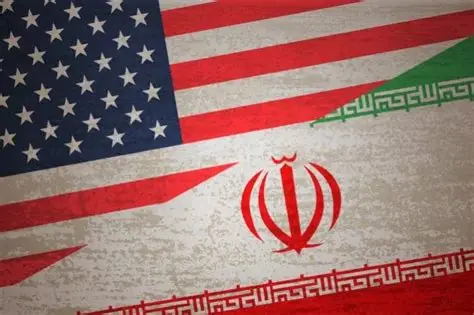
The ongoing conflict involving the United States and Iran is exposing clear divisions among conservatives. While many Republicans initially supported Donald Trump, opinions are starting to shift as the war continues.
Public opinion across the country has largely opposed the campaign since it began. Now, even within conservative circles, questions about the purpose and outcome of the war are becoming more common.
Concerns Grow at CPAC Conference
At the Conservative Political Action Conference (CPAC) in Texas, attendees openly discussed their concerns. Many questioned why the war started, what the final objective is, and how it will end.
Some participants expressed worries about rising living costs, including fuel and food prices. Others highlighted the lack of clarity around long-term goals, such as regime change and its consequences.
Younger Conservatives Push Back
A noticeable generational divide has emerged. Younger conservatives appear more skeptical about foreign military involvement.
Many believe the conflict goes against earlier promises to avoid overseas wars and focus on domestic issues. They argue that resources should be used to address problems at home rather than funding prolonged military action.
This shift reflects changing priorities, especially among younger voters who supported Trump but expected a different approach to foreign policy.
Older Supporters Remain Loyal
In contrast, older conservatives continue to support the war. Many see it as necessary for national security and trust Trump’s leadership decisions.
This difference in opinion highlights a broader ideological split within the conservative movement, with traditional supporters backing intervention and younger voices calling for restraint.
Pressure Builds for a Clear Exit Strategy
As the conflict continues, pressure is increasing on Trump to outline a clear plan. Rising economic costs, troop deployments, and uncertainty about the war’s direction are adding to public concern.
Lawmakers and voters alike are asking the same question: what is the end goal?
Uncertain Future Ahead
The Iran conflict has become more than a military issue. It now shapes political debates within the Republican Party and influences voter sentiment.
With growing doubts among younger conservatives and ongoing support from older ones, the divide may impact future elections and the direction of US foreign policy.