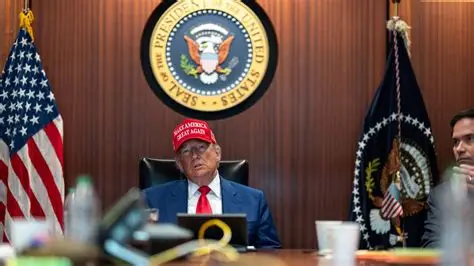
Public support for Donald Trump has steadily declined since he returned to the White House last year. While second-term presidents often face falling approval, current trends highlight deeper economic concerns.
Rising living costs and inflation continue to frustrate voters. These issues have already helped Democrats improve their performance in elections.
Data from The Downballot shows that Democrats performed about 13% better in 2025 special elections compared to the same districts during the 2024 presidential race.
1. Economic Concerns Are Growing
The ongoing conflict involving Iran has intensified economic pressure. Fuel prices have increased sharply, with petrol nearing $4 per gallon within weeks of the conflict.
According to Ipsos, Trump’s economic approval dropped from 43% at the start of his second term to 35% by mid-2025. It later declined further to 29%.
These figures fall below the approval levels recorded during the presidency of Joe Biden, even during periods of high inflation.
2. Overall Approval Ratings Are Declining
At the beginning of his second term, Trump held a 52% approval rating, based on averages compiled by Nate Silver.
However, support has weakened over time. By late February, approval dropped to 42%. Recent data shows it has slipped further to around 40%.
Lower approval ratings can weaken political influence and create challenges in passing major policies.
3. Political Risks Ahead of Elections
Falling support places Trump in a difficult position ahead of upcoming midterm elections. Continued economic pressure and rising prices could further reduce voter confidence.
The longer the conflict continues, the greater the impact on global markets and everyday costs.
At the Conservative Political Action Conference, political leaders discussed the importance of maintaining voter support ahead of the next election cycle.
What Lies Ahead
Trump’s early approval allowed him to push forward key policies on immigration, trade, and taxation. However, current trends show growing challenges.
Economic uncertainty and prolonged conflict may continue to shape public opinion. The coming months will play a critical role in determining the political landscape.