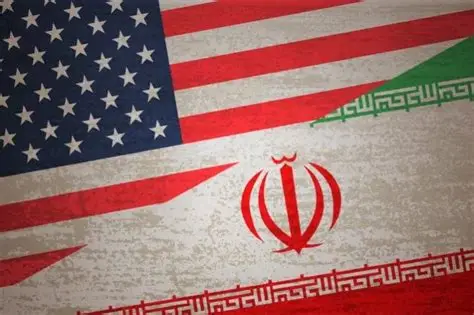
The ongoing conflict involving Iran, the United States, and Israel is raising serious concerns about the future of international law. Experts warn that the rules governing how wars begin and escalate are being weakened.
Rising Tensions and Escalation
Recent military actions and threats against energy infrastructure have intensified the conflict. Statements from Donald Trump about targeting key Iranian facilities highlight how quickly the situation can escalate.
At the same time, Iran has responded with actions affecting regional stability, including threats toward neighboring countries. This cycle of escalation is putting additional strain on global security systems.
Concerns Over International Law
Legal experts argue that the current conflict challenges the established global order. The modern system, built after World War II, aims to limit the use of force between nations.
Under international law, countries can only use military force in self-defense or with approval from the United Nations.
Luis Moreno Ocampo, a founding prosecutor of the International Criminal Court, has warned that recent actions could qualify as a “crime of aggression.” This term refers to using military force against another country without legal justification.
He also raised concerns about attacks on energy infrastructure. Such targets may not always meet the legal definition of legitimate military objectives, especially if they harm civilians or essential services.
Global Debate Intensifies
Some governments and analysts have also questioned whether recent military actions comply with international law. Critics argue that these actions risk undermining the global system designed to prevent unlawful wars.
On the other hand, officials in Washington defend their approach. They argue that targeting infrastructure linked to military or strategic operations can be justified under certain conditions.
A Shift Toward Power Politics
Experts warn that the conflict reflects a broader shift away from rule-based systems toward power-driven decisions. This trend could weaken global institutions and increase the risk of future conflicts.
If countries begin to act without clear legal boundaries, the balance between security and international law may break down. This could lead to a world where stronger nations set the rules without accountability.
Challenges for Global Institutions
The situation also highlights limitations within international institutions. Not all countries involved in the conflict are members of the International Criminal Court, which reduces the court’s ability to take action.
As a result, enforcing accountability becomes more difficult, and diplomatic solutions become even more important.
An Uncertain Future
The Iran conflict continues to evolve, with no clear resolution in sight. At the same time, it raises important questions about the future of global rules, civilian protection, and the role of international law in modern warfare.
Whether the world can maintain a rules-based order or shifts toward a more unpredictable system remains a key concern for policymakers and experts alike.