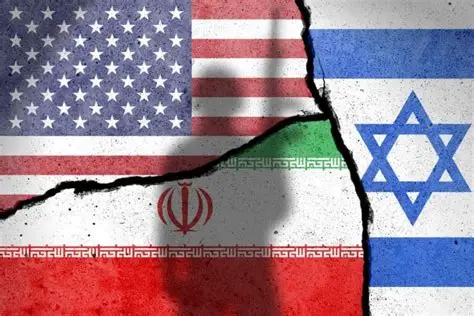
The Philippines has declared a national energy emergency in response to the ongoing conflict in the Middle East. The decision aims to protect the country’s fuel supply and stabilize its economy.
Ferdinand Marcos Jr signed an executive order after warning of serious risks to energy availability and stability. The crisis has intensified due to disruptions in global oil supply routes.
The conflict involving Iran has effectively limited access to the Strait of Hormuz, a critical channel through which a significant share of the world’s oil is transported. This disruption has caused sharp price increases and supply shortages worldwide.
The Philippines depends heavily on imported oil, with around 98% of its supply coming from the Gulf region. Since the conflict began in late February, fuel prices in the country have surged dramatically, with petrol and diesel costs more than doubling.
Government Takes Emergency Action
The emergency declaration gives authorities the power to act quickly. Officials can now enforce measures to maintain energy stability and protect essential sectors of the economy.
A special committee will oversee the distribution of fuel, food, medicines, and other critical supplies. The government can also directly purchase petroleum products to strengthen reserves and prevent further shortages.
The emergency status will remain in place for up to one year unless officials decide to lift or extend it.
Rising Costs and Public Pressure
Lawmakers had already urged the government to act, pointing to the growing financial burden on households. Rising fuel prices have made daily life more expensive, affecting transport, food costs, and basic services.
Fuel prices have continued to climb, reaching more than double their levels before the conflict. This sharp increase has placed significant pressure on families and businesses alike.
Measures to Conserve Energy
Authorities have introduced several steps to reduce fuel consumption. These include:
- Providing financial support to transport workers
- Reducing ferry operations
- Implementing a four-day work week for government employees
Officials estimate that the country currently has about 45 days of fuel supply remaining.
To manage the shortage, the government plans to rely more on coal-fired power plants. This shift comes as liquefied natural gas becomes more expensive due to global supply disruptions.
Asia Faces Growing Risk
Asia remains highly vulnerable to the ongoing crisis. A large portion of oil and gas passing through the Strait of Hormuz typically supplies Asian markets.
As long as the disruption continues, countries across the region may face similar challenges, including rising prices, limited supply, and economic pressure.