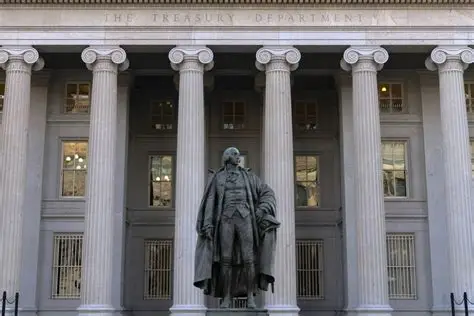
The United States is considering easing restrictions on Iranian oil exports as it seeks to manage rising global energy prices.
Scott Bessent suggested the idea during a recent interview, stating that allowing limited oil sales could increase supply in global markets. Energy prices have surged due to ongoing conflict and disruptions to production and shipping.
If implemented, this move would mark a major shift in US policy toward Iran. However, analysts warn that the impact on prices may be short-lived and limited.
The proposal focuses on releasing oil that is already in transit. Estimates suggest around 140 million barrels could be made available to global buyers. Officials believe this could temporarily reduce prices for a short period.
Before current tensions escalated, China was the primary buyer of Iranian oil, often purchasing it at discounted rates due to existing sanctions. The US hopes that easing restrictions could redirect supply to other countries such as India, Japan, and Malaysia, while reducing China’s pricing advantage.
Despite these expectations, experts remain cautious. Some argue that much of the oil under discussion is already reaching markets through indirect channels, limiting the overall effect of policy changes.
There are also concerns about financial implications. Critics warn that increased oil sales could generate additional revenue for Iran, potentially strengthening its position during ongoing regional tensions.
Donald Trump has not confirmed whether the proposal will move forward, stating only that the administration will take necessary steps to control energy prices.
The discussion comes alongside other measures aimed at boosting supply, including releasing strategic reserves and adjusting restrictions on oil exports from other countries.
However, similar actions have faced criticism, particularly from European leaders, who argue that easing sanctions could have unintended geopolitical consequences.
Overall, while the proposal may provide short-term relief in energy markets, its long-term impact remains uncertain. Policymakers continue to balance economic pressures with broader strategic concerns.