INDIA is preparing for a major shift in healthcare as the patent for Semaglutide expires. This change will allow local pharmaceutical companies to produce affordable versions of the drug, making weight-loss treatment more accessible.
Semaglutide powers widely known medications such as Ozempic and Wegovy, developed by Novo Nordisk. These drugs have gained global attention for their effectiveness in both diabetes control and weight loss.
With the patent ending, Indian drug manufacturers are expected to introduce dozens of generic versions. This surge in competition could reduce prices by more than half, making treatment affordable for a much larger population.
India’s pharmaceutical sector, known for producing cost-effective generics, will likely move quickly. Major companies such as Cipla, Sun Pharma, Dr Reddy’s Laboratories, Biocon, Zydus Lifesciences, and Mankind Pharma are already preparing to launch branded generics.
Currently, treatment costs remain high. Monthly use of Ozempic or Wegovy can cost between 8,800 and 16,000 rupees. Experts expect generic alternatives to bring prices down to around 3,000–5,000 rupees per month, significantly improving affordability.
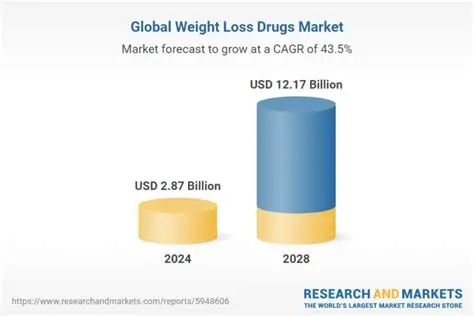
This price drop could expand the market rapidly. India’s anti-obesity drug segment has already grown from around $16 million in 2021 to nearly $100 million in recent years. The introduction of Rybelsus, the first oral version of semaglutide, helped accelerate this growth.
The rising demand reflects a broader health challenge. India has over 77 million people living with Type 2 Diabetes and a large population affected by obesity. Urban lifestyles, high-carbohydrate diets, and limited physical activity have contributed to this trend.
Doctors see affordable GLP-1 drugs as a major advancement. These medications work by regulating appetite, slowing digestion, and improving blood sugar control, helping patients feel full for longer periods.
Healthcare specialists are also using these drugs beyond diabetes care. Cardiologists recommend them before heart procedures, orthopedic surgeons use them to reduce stress on joints, and respiratory specialists apply them to treat conditions like sleep apnea.
Experts believe cheaper access could transform treatment outcomes for millions. However, they stress the importance of strict quality control. Ensuring safe and effective production will be critical as more manufacturers enter the market.
If managed properly, India’s move toward affordable weight-loss drugs could influence global healthcare by making advanced treatments accessible to a wider population.