

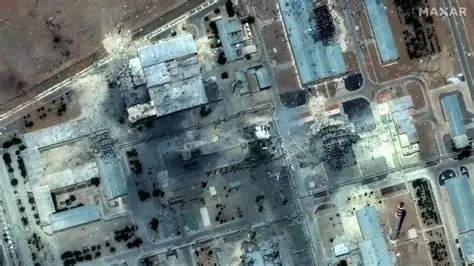
Residents of Tehran live under constant fear as airstrikes and strict government control dominate daily life. The city often falls into uneasy silence, but people know that explosions can break it at any moment.
At night, the first warning often comes from barking dogs reacting to approaching aircraft. Moments later, explosions shake neighborhoods, sending flames into the sky. This cycle of fear has become routine for many families.
Baran, a businesswoman in her thirties, avoids leaving her home. She says the risk feels too high. “Stepping outside feels like risking my life,” she explains. Drone attacks have made even ordinary tasks feel dangerous.
She stays in touch with friends through constant messaging. They check on each other’s safety throughout the day. Even quiet moments bring anxiety. “Sometimes the silence itself feels more frightening than the noise,” she says.
Like many young people in Iran, Baran once hoped for change. However, recent protests ended in a violent crackdown that caused thousands of deaths. That experience left deep emotional scars.
“I cannot forget the person I lost during the protests,” she says. “I worry about the future and whether I will survive what comes next.”
Government control has tightened across the city. Authorities do not tolerate open criticism. Security forces patrol the streets, and surveillance remains widespread. Footage shows groups of government supporters driving through neighborhoods, sending a clear warning against dissent.
State-controlled media promotes a single narrative. Officials and supporters appear regularly, criticizing foreign powers and encouraging loyalty. At the same time, independent reporting has become extremely dangerous. Journalists risk arrest, abuse, or worse if they challenge official accounts.
Some residents only feel safe expressing their thoughts in private spaces. Ali, a middle-aged man, describes how the atmosphere has changed. He once believed leadership changes might improve the country’s situation. Now, he sees heavily armed forces controlling the streets.
“The city feels lifeless,” he says. “It no longer feels like home.” He relies on medication to manage stress and maintain stability.
Ali also notices growing divisions in society. He believes pro-government groups dominate public spaces, leaving others feeling excluded and powerless.
Many people share mixed emotions. They want political change but also fear foreign attacks on their country.
“The situation is deeply unsettling,” Ali explains. “We live under threat from outside forces, yet people still hope for change from within.”
Back in her apartment, Baran listens carefully for distant explosions while checking on friends. She reflects on how life has changed. “People in other places sleep peacefully under the stars,” she says. “We fall asleep under the light of rockets.”
She believes the conflict could continue for years, with long-term psychological effects. “This war has entered our homes and our lives,” she says. “It has become part of who we are.”
For many residents of Tehran, fear now shapes everyday life. Airstrikes, strict control, and uncertainty have created a reality where safety feels temporary and the future remains unclear.