Nepal’s latest national election has produced a dramatic political shift. A young political movement has secured a sweeping victory, pushing aside long-established parties.
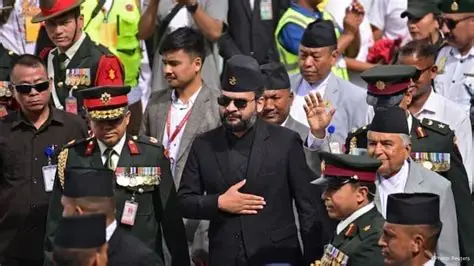
The four-year-old Rastriya Swatantra Party (RSP) won a strong mandate under Nepal’s complex dual-election system. The party is led by Balendra Shah, widely known as Balen, a rapper who entered politics only a few years ago.
The result signals a major change in Nepal’s political landscape.
A Major Upset in Nepal Politics
One of the most surprising moments of the election came in Jhapa-5. Shah defeated veteran politician KP Sharma Oli, a former prime minister who long held the seat.
For many voters, the result represents a rejection of Nepal’s traditional political leadership.
Supporters say they are frustrated with decades of political instability, corruption, and slow reforms.
Local voter Ispa Sapkota said Shah symbolizes hope for a new political culture in the country.
A Young Leader With Limited Experience
At 35 years old, Shah has limited political experience. He served as mayor of Kathmandu for three years before leading his party to national victory.
Despite his short political career, many voters see his outsider status as a strength.
Supporters believe he represents a break from the political elite who have dominated Nepal’s government for decades.
Challenges Ahead for the New Government
Although the victory has energized supporters, the future remains uncertain.
The RSP has never governed at the national level. Now it faces the difficult task of meeting high public expectations.
The party has promised several reforms, especially targeting corruption.
Leaders say they will investigate wealth accumulated by politicians since the 1990s. Authorities could seize properties proven to be obtained illegally.
The party also plans to reform the judicial system. Proposed measures include ending political appointments of judges and introducing live-streamed court proceedings to improve transparency.
Concerns From Rights Groups
Not everyone views Shah’s leadership without concern.
During his time as mayor, critics accused him of taking a strict approach toward street vendors. Authorities cleared vendors from roads in efforts to manage traffic and regulate businesses.
The rights group Human Rights Watch raised concerns about these actions.
Meenakshi Ganguly from the organization’s Asia division said new leaders often take aggressive steps to deliver quick results.
She hopes a future government under Shah will focus more strongly on rule-based governance.
Reforming Nepal’s Institutions
Political analysts say Nepal’s institutions may support reform efforts.
Constitutional expert Bipin Adhikari believes the civil service could benefit from change. He says government bureaucracy has faced political pressure for years.
RSP leaders also promise reforms within the public administration system.
Newly elected MP Shishir Khanal says the party plans to introduce a bill that will change how civil servants are paid and promoted.
The proposal aims to create incentives that encourage better performance in government institutions.
Nepal Enters a New Political Era
Nepal now enters an uncertain but potentially transformative period.
With a young party in power and strong public expectations, the coming years will test whether the new leadership can deliver real political change.
For many voters, however, the election already represents a turning point in the country’s democratic journey.