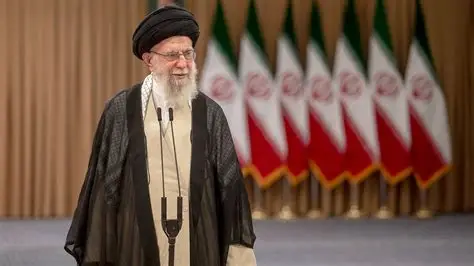
Iran is witnessing mixed reactions after Mojtaba Khamenei was named the country’s new supreme leader. He succeeds his father, Ali Khamenei, who was killed on the first day of the conflict between Iran and the United States.
Some supporters have welcomed the decision. Pro-government crowds gathered in several areas to celebrate the rise of a leader seen as close to the powerful Islamic Revolutionary Guard Corps.
However, many citizens remain skeptical about what the leadership change will mean for the country’s future.
Concerns About Political Continuity
Several residents say they expect little change under Mojtaba Khamenei’s rule. Critics believe the new leader will continue the policies followed by his father.
One man in his 30s from Tehran said hopes for reform within the system have almost disappeared.
He pointed out that the Assembly of Experts, which selects the supreme leader, chose someone closely connected to the previous leadership.
According to him, the political direction of the country will likely remain the same.
Fears of Tougher Policies
Some younger Iranians fear the new leader could adopt an even stricter approach to governance.
A woman in her 20s from Tehran said she believes Mojtaba Khamenei could be more oppressive than his father. She expressed concern about the future under his leadership.
Another resident said the new leader might seek revenge for his father’s death. He worried that tensions with foreign countries could increase and affect ordinary citizens.
Long-Standing Influence Behind the Scenes
For years, analysts and observers have suggested that Mojtaba Khamenei held significant influence within Iran’s political system. Many believe he played an important role behind the scenes during his father’s rule.
Now that he holds the country’s most powerful position, many Iranians are watching closely to see how his leadership will shape the nation’s political and social landscape.