What Menstrual Blood Can Reveal About Your Health
Menstrual blood has long been treated as waste, embarrassment or inconvenience. Now researchers are asking a very different question: what if menstrual blood is one of the most underused sources of health information in medicine?
The idea sounds simple, but its implications are huge. Menstrual blood contains more than blood. It can include endometrial tissue, immune cells, proteins, hormones, bacteria, cervical and vaginal cells, and molecular signals from the reproductive tract. Because it is naturally shed every month, menstrual blood may offer a non-invasive way to study health conditions that are currently difficult, expensive or uncomfortable to diagnose.
This is especially important for women and people who menstruate who have spent years being told that severe period pain is normal. Endometriosis is the clearest example. The condition affects an estimated 190 million women and girls of reproductive age worldwide, according to the World Health Organization, yet diagnosis is often delayed for years. For many patients, answers still come only after repeated appointments, scans, dismissals and sometimes laparoscopic surgery.
That is why menstrual blood research feels so promising. It will not replace doctors, imaging, surgery or existing screening overnight. But it could help create earlier warning signs, better monitoring and less invasive testing for conditions that have historically been under-researched.
Why Menstrual Blood Is Different From Ordinary Blood
Menstrual blood is not the same as a standard blood sample taken from the arm. A venous blood test mostly reflects what is circulating around the whole body. Menstrual blood comes directly from the shedding uterine lining and passes through the reproductive tract. That gives it a different biological meaning.
Researchers often call it menstrual effluent because it is a mixture. It can contain blood, mucus, proteins, immune cells, endometrial fragments, vaginal secretions and cells from nearby tissues. That mixture may reveal clues that whole blood, saliva or urine cannot show as clearly.
This is why scientists studying menstrual blood often describe it as a kind of natural biopsy. A biopsy usually requires tissue to be removed by a clinician. Menstrual blood is shed without surgery. It may provide access to uterine and reproductive signals without inserting a camera into the pelvis or taking a tissue sample in a clinic.
That does not mean every period product can instantly become a diagnostic test. Collection must be controlled. Samples need to be stable. Laboratory methods must be validated. Results must be compared with established clinical standards. But the scientific logic is strong: the uterus releases biologically rich material every month, and medicine has barely used it.
The News Ink’s healthy lifestyle coverage often focuses on daily habits, but menstrual blood research shows another side of health: sometimes the body is already producing information that healthcare systems have failed to read.
The Endometriosis Problem
Endometriosis is one of the main reasons menstrual blood research is attracting attention. The condition happens when tissue similar to the lining of the uterus grows outside the uterus. It can cause severe pelvic pain, painful periods, pain during sex, bowel or bladder symptoms, fatigue and infertility.
The scale is enormous. WHO says endometriosis affects about 10% of women and girls of reproductive age, equal to roughly 190 million people worldwide. Diagnosis is difficult because symptoms overlap with other conditions, scans may not always show disease clearly, and patients are often told their pain is part of normal menstruation.
A 2024 review on time to diagnosis found that endometriosis delays are still widely reported, with many studies showing gaps of up to seven to ten years between symptoms and confirmation. That delay can damage quality of life, education, work, relationships and fertility planning.
This is where menstrual blood could matter. If biomarkers in menstrual blood can help identify who is more likely to have endometriosis, patients might reach specialists sooner. A test does not need to be perfect to be useful. Even a strong triage tool could reduce years of uncertainty by helping doctors decide who needs imaging, specialist referral or surgery.
Companies such as NextGen Jane are studying menstrual blood collected from mailed tampons, while academic projects such as Northwell Health’s ROSE study are examining menstrual effluent for endometriosis clues. The shared goal is the same: make a painful, underdiagnosed condition easier to detect.
How a Period Sample Can Become a Research Sample
The process is less dramatic than many people imagine. In some studies, participants collect menstrual blood using tampons, menstrual cups, pads or specialised collection devices. The sample is packaged according to study instructions and mailed or delivered to a laboratory. Scientists then analyse cells, proteins, RNA, DNA, immune signals or other biomarkers.
Different collection methods answer different questions. A tampon may be convenient and familiar. A menstrual cup may collect a larger volume and preserve more of the shed material. A specialised pad may isolate a controlled sample for a specific lab test. The right method depends on the condition being studied.
For example, the FDA-cleared Q-Pad A1c system uses menstrual blood collected onto filter paper through a pad-based kit. The agency’s 510(k) summary says the test measures HbA1c using menstrual whole blood self-collected at home and mailed to a laboratory. Importantly, the FDA summary states the test is for monitoring long-term blood sugar control in women with diabetes, not for diagnosing or screening diabetes.
That distinction matters. Menstrual blood testing is not one thing. Some uses are already regulatory realities for specific purposes. Other uses remain experimental. A serious article should not treat all claims as equally proven.
A Quick Map of What Scientists Are Studying
| Possible use of menstrual blood | Current promise | Important caution |
|---|---|---|
| Endometriosis | Biomarker research could support earlier referral and diagnosis | Not yet a routine replacement for clinical diagnosis |
| HPV and cervical screening | BMJ research suggests strong accuracy from pad-collected samples | Wider validation and national screening decisions are still needed |
| Diabetes monitoring | Q-Pad A1c has FDA clearance for HbA1c monitoring in women with diabetes | Not for diagnosing or screening diabetes |
| Vitamin levels | Pilot research suggests menstrual blood may estimate vitamin A and D levels | Early research; not standard clinical testing |
| Uterine inflammation and adenomyosis | Menstrual effluent may carry useful uterine immune and tissue signals | More validation is needed |
| Environmental exposure | Menstrual products and blood-related studies may reveal chemical exposure clues | Evidence is still developing and must be interpreted carefully |
The table shows why menstrual blood is exciting but also why it needs careful framing. It is not a magic diagnostic shortcut. It is a promising biological sample that may help answer specific medical questions.
Menstrual Blood and Cervical Cancer Screening
One of the most important developments involves HPV testing. Human papillomavirus is the main cause of cervical cancer, and screening programmes usually depend on clinician-collected cervical samples or approved self-collected swabs. Many people avoid screening because of discomfort, embarrassment, trauma, access barriers or cultural stigma.
A 2026 study in The BMJ examined whether menstrual blood collected using a minipad could be used for HPV testing during cervical cancer screening in China. The study found that minipad-collected menstrual blood showed comparable diagnostic accuracy to clinician-collected cervical samples for HPV testing.
The BMJ Group described the findings as supporting the potential integration of menstrual blood-based HPV testing into national screening guidelines, while also noting that screening-policy decisions require careful evidence review.
This could matter because screening only saves lives when people participate. A less invasive option may reach people who avoid pelvic exams or cannot easily access clinics. For some communities, an at-home menstrual blood sample could feel more acceptable than a traditional smear.
However, this does not mean current cervical screening should be skipped. Readers should follow their national screening programme and speak with a clinician about the best approved option for them. Menstrual blood HPV testing is promising, but health systems decide adoption only after evaluating accuracy, logistics, cost, equity and follow-up care.
Diabetes Monitoring Shows the Field Has Already Begun
The Q-Pad A1c clearance is important because it shows menstrual blood can move from research idea to regulated medical testing. HbA1c reflects average blood sugar over roughly three months and is commonly used to monitor diabetes management. Traditionally, it requires a blood draw or finger-prick sample.
The FDA 510(k) summary says Q-Pad A1c measures HbA1c from menstrual whole blood collected at home and shipped to a lab. It also clearly states that the test is not to be used to diagnose or screen for diabetes.
That limited use is still significant. It proves that menstrual blood can meet regulatory standards for a defined biomarker in a defined population. It also creates a precedent for future menstrual blood tests if they can demonstrate accuracy, stability, usability and clinical value.
For patients, the appeal is convenience. A monthly cycle could become an opportunity to collect a sample without visiting a clinic or using a needle. For healthcare systems, the appeal is adherence. Testing becomes easier when collection fits into ordinary life.
The News Ink’s guide to dietary fibre and brain health shows how everyday health markers can connect with long-term disease risk. Menstrual blood research adds another layer: routine biological signals may help people monitor health earlier and more comfortably.
Vitamin Levels and Whole-Body Signals
Menstrual blood may also reveal whole-body health clues. A 2024 pilot study published in Nutrients examined menstrual blood as a non-invasive alternative for monitoring vitamin levels and found potential utility for estimating vitamin A and D levels. The research was early, but it showed that menstrual blood may not be limited to reproductive conditions.
Vitamin D matters because deficiency is common and may be linked with menstrual-cycle patterns, fertility questions, bone health and immune function. A menstrual blood-based option could one day make monitoring easier, especially for people already collecting samples for other health reasons.
Still, pilot studies are not clinical standards. A small study can show promise without proving a test is ready for mainstream use. Before menstrual blood vitamin testing becomes routine, researchers must confirm accuracy across larger, more diverse populations and compare results with standard blood tests.
That careful approach protects patients. New tests should make healthcare better, not simply more fashionable.
Pollution, Chemicals and the Body’s Exposure Record
Researchers are also interested in whether menstrual blood, menstrual products and cycle patterns can help reveal exposure to environmental chemicals. This area is more complex because the science is still developing.
Some studies focus on menstrual products themselves. Research published in Environmental Health examined tampon use, environmental chemicals and oxidative stress biomarkers, finding suggestive but not statistically significant evidence of higher mercury and oxidative stress markers among tampon users. Other research has found metals in tampons, though scientists and regulators have stressed that more work is needed to determine whether those metals are released during use and absorbed by the body.
A 2026 PubMed-indexed study on PFAS exposure and menstrual cycles found PFAS exposure may be associated with increased cycle variability and reduced bleeding, while calling for further research in younger cohorts. This does not mean menstrual blood currently provides a simple pollution test. It means menstrual health may carry signals about environmental exposure that researchers are only beginning to understand.
This part of the field needs especially careful reporting. Chemical exposure, menstrual products and reproductive health can easily produce fear. The honest conclusion is that menstrual blood may help scientists study exposure patterns, but consumers should not panic or assume every product is unsafe.
The better public-health goal is transparency: more testing, better labelling, stronger regulation and clearer communication.
The Stigma Has Slowed the Science
One reason menstrual blood has been ignored is stigma. Menstruation is common, but many cultures still treat it as dirty, private, shameful or inappropriate for open discussion. That stigma affects medicine. Patients may hesitate to describe symptoms. Doctors may minimise pain. Researchers may struggle for funding. Companies may avoid products seen as uncomfortable or niche.
The result is a knowledge gap around a basic biological process experienced by billions of people across their lives.
This stigma is not only social. It has clinical consequences. If severe period pain is normalised, endometriosis diagnosis is delayed. If heavy bleeding is dismissed, anaemia or fibroids may be missed. If menstrual irregularity is ignored, hormonal or metabolic issues may go untreated. If people avoid cervical screening because of discomfort or shame, preventable cancers may be found later.
Menstrual blood research pushes against that history. It says the monthly sample many people have been taught to hide may actually carry valuable medical information.
The News Ink’s article on why people feel tired all the time is relevant here because fatigue is one of many symptoms that can be dismissed until a wider health pattern is taken seriously.
What Patients Should Not Do
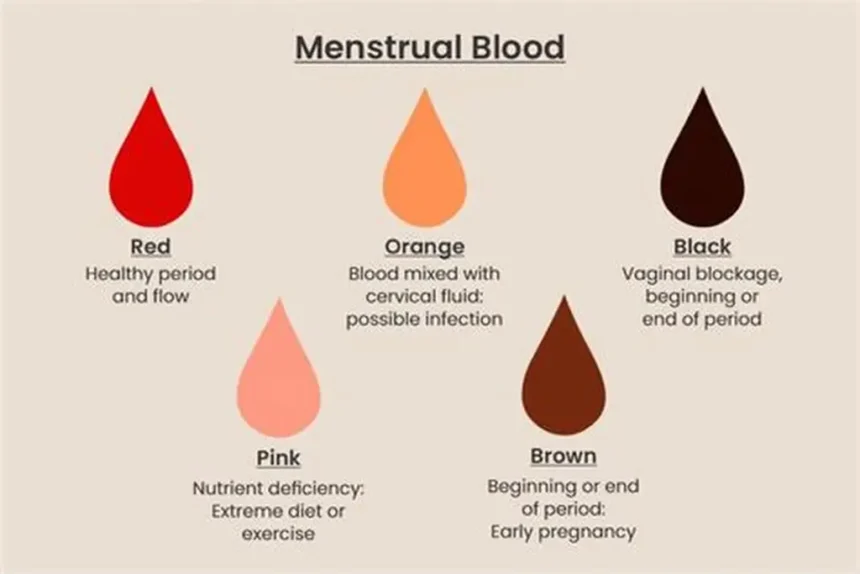
Interest in menstrual blood testing should not encourage people to self-diagnose from period appearance alone. Colour, clotting, flow and pain can offer clues, but they cannot confirm endometriosis, cancer, diabetes, vitamin deficiency or infection.
A very heavy period, bleeding between periods, bleeding after sex, severe pelvic pain, persistent fatigue, fainting, unusual discharge, fever, sudden cycle changes or possible pregnancy complications should be discussed with a healthcare professional. A person should not wait for a future menstrual blood test if they have symptoms now.
Menstrual blood research is promising, but most tests are not yet routine clinical tools. Existing screening remains essential. Cervical screening should continue according to local guidelines. Diabetes testing should follow medical advice. Severe period pain should be evaluated, not normalised.
This article is not medical advice. It is a guide to emerging science and why that science matters.
What Menstrual Blood Could Change in Healthcare
The biggest promise is access. Many reproductive-health conditions are hard to diagnose because the reproductive organs are difficult to sample directly without invasive procedures. Menstrual blood changes that because it naturally carries material from the uterus and reproductive tract.
If validated tests become widely available, the healthcare pathway could shift.
A patient with severe period pain might collect a sample at home before waiting years for specialist referral. A person avoiding cervical screening might use a pad-based HPV test. Someone with diabetes might monitor HbA1c without a needle. Researchers studying chronic uterine inflammation might track changes across cycles. Clinicians might one day compare menstrual blood patterns before and after treatment.
That future would not remove the need for doctors. It would give doctors more information earlier.
The News Ink’s AI trends coverage is relevant because the future of menstrual blood diagnostics may depend on computational tools that can read complex molecular patterns across large datasets. A single marker may not be enough. A pattern of proteins, immune cells, RNA and clinical symptoms may be more powerful.
The Privacy Question Around Period Samples
Menstrual blood is not just a biological sample. It is personal data. A sample may reveal reproductive health, infection status, hormone patterns, genetic material or disease risk. If companies collect menstrual blood at home, privacy and consent must be central.
Patients need to know what is being tested, how long samples are stored, whether data is de-identified, whether it can be used for research, whether it is shared with partners and whether users can request deletion. This is especially important in regions where reproductive rights and health data are politically sensitive.
The same privacy concerns apply to period-tracking apps, wearable devices and AI health tools. Medical innovation should not turn intimate biology into another poorly protected data stream.
The News Ink’s public Wi-Fi safety guide focuses on digital risk, but the principle applies here too: sensitive health information deserves stronger protection than ordinary consumer data.
Who Could Be Left Out?
Menstrual blood testing also raises equity questions. Not everyone menstruates regularly. Some people use hormonal contraception that reduces bleeding. Some are postmenopausal. Some have had hysterectomies. Some transgender men and nonbinary people menstruate but may face additional discomfort or barriers around menstrual-health services. Some people cannot afford specialised collection kits or private tests.
A good diagnostic future must not help only wealthy, tech-savvy patients. If menstrual blood tests become useful, they should be affordable, culturally sensitive and integrated into public health systems where possible.
There is also a global access issue. Cervical cancer screening gaps are often worst in places where clinic access, stigma and cost already limit care. A home-collected sample could help, but only if laboratories, follow-up systems and treatment pathways are available.
A test without access to care is not enough.
Why Doctors May Need to Rethink Periods
For generations, period symptoms have often been treated as lifestyle complaints rather than serious clinical information. Menstrual blood research challenges that. It asks doctors to see periods as data.
That does not mean every symptom signals disease. Cycles vary naturally. Flow changes with age, stress, contraception, pregnancy history, weight, illness and medication. But patterns matter. Pain that stops school or work is not normal. Bleeding that causes anaemia is not normal. A sudden change in cycle pattern deserves attention.
If menstrual blood testing develops further, doctors may have new tools to connect symptoms with molecular evidence. That could make appointments more productive and reduce the number of patients who are told to simply tolerate pain.
The News Ink’s guide to sleep quality shows how routine body patterns can reveal deeper health signals. Menstrual cycles deserve similar respect.
The Most Realistic Future
The future of menstrual blood testing will probably arrive in stages.
The first stage is targeted monitoring, such as HbA1c for diabetes in a specific approved use. The second stage may be better screening tools, such as menstrual blood HPV testing if wider evidence supports adoption. The third stage may be risk stratification for endometriosis, adenomyosis, chronic uterine inflammation or endometrial conditions. The fourth stage may involve multi-marker panels that combine menstrual blood data with symptoms, imaging and medical history.
This is a realistic path. It avoids hype while recognising progress.
The worst version of the field would sell expensive tests before evidence is ready. The best version would create validated tools that shorten diagnostic delays, reduce invasive procedures, improve screening participation and give patients more control over their health.
Menstrual blood is not magic. But it may be medically powerful because it comes from the place many unanswered health questions begin.
What Readers Should Take Away
Menstrual blood can already tell people some basic things. Very heavy bleeding may suggest anaemia risk, fibroids or other conditions. Severe pain may point toward endometriosis or adenomyosis. Irregular cycles may relate to stress, thyroid issues, polycystic ovary syndrome, medication or other factors. Unusual bleeding should be checked.
The new science goes deeper. Researchers are asking whether menstrual blood can reveal molecular patterns linked to disease, inflammation, infection, metabolism, vitamin status and environmental exposure. Some applications are already regulated for narrow use. Others remain early but promising.
The key is balance. Menstrual blood deserves serious scientific attention. Patients deserve less invasive options. But new tests must be validated before they are used to make major medical decisions.
For people who menstruate, the message is empowering but cautious: your period is not just something to endure. It can be part of your health story.
The Bottom Line
Menstrual blood may become one of the most important overlooked tools in women’s health. It contains cells, proteins, hormones, immune signals and tissue from the reproductive tract, giving researchers a monthly window into conditions that are often missed or diagnosed late.
The strongest evidence so far is not the same for every use. FDA-cleared menstrual blood testing exists for HbA1c monitoring in women with diabetes. BMJ research suggests menstrual blood may be a strong option for HPV screening. Endometriosis research is advancing through companies and academic studies, but routine diagnosis still requires more validation. Vitamin and environmental-exposure research is promising but early.
The reason this matters is simple. Too many people spend years waiting for answers about pain, bleeding, fertility and reproductive health. If menstrual blood can help shorten that wait, it could change healthcare in a practical and deeply human way.
Menstrual blood was once dismissed as waste. Science is beginning to show it may be a monthly health signal hiding in plain sight.
For more health and science coverage, readers can join The News Ink on WhatsApp.