


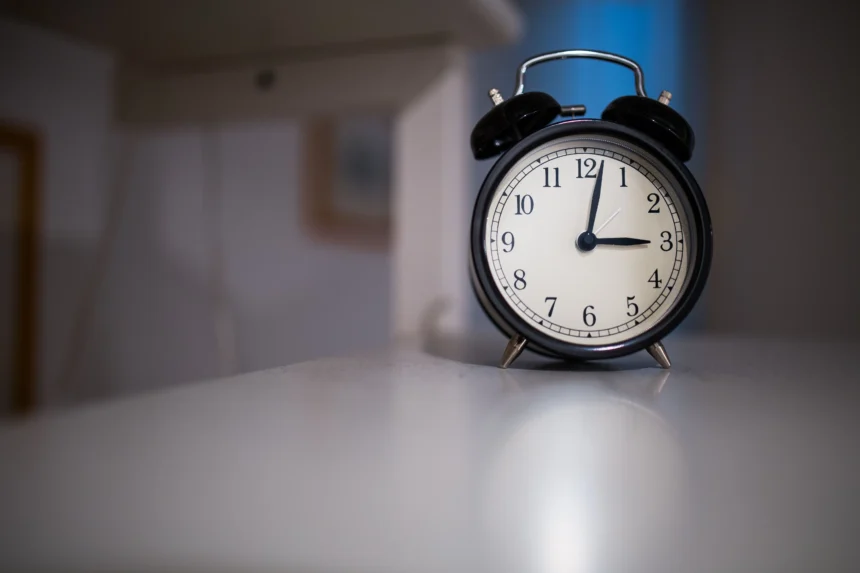
Why Do I Wake Up at 3 A.M. and Struggle to Fall Back Asleep?
You open your eyes in the middle of the night. The room is quiet, everyone else seems to be sleeping, and the clock reads 3:07 a.m. You were tired when you went to bed, but now your thoughts are unusually clear. You replay a conversation, remember tomorrow’s responsibilities, and start wondering how you will function with so little rest.
You close your eyes again. Twenty minutes pass. Then another half hour. The harder you try to sleep, the more awake you feel.
Waking up at 3 AM is common, and it does not automatically mean that anything is wrong with you. Sleep naturally includes brief awakenings, particularly as its stages change during the night. The problem begins when an ordinary awakening turns into a long period of alertness, or when the same disruption keeps happening and affects daytime life.
Stress, irregular sleep schedules, caffeine, alcohol, bedroom conditions and medical problems can all contribute. In some cases, waking up at 3 AM is a symptom of sleep-maintenance insomnia, the difficulty of staying asleep or returning to sleep after waking.
According to the National Heart, Lung, and Blood Institute, people with insomnia may wake repeatedly or too early and struggle to fall asleep again. But not everyone who wakes at night has an insomnia disorder.
Understanding the difference can help you respond more calmly, make useful changes and recognize when it is time to seek professional advice.
Why Do I Keep Waking Up at 3 AM?
There is no biological alarm that makes everyone wake at precisely 3 a.m. The hour attracts attention because it is often the middle or later part of a person’s usual sleep period. Someone who goes to bed at 10 p.m. has already slept for about five hours by 3 a.m.; someone who sleeps at midnight has slept only three.
As the night progresses, the mix of sleep stages changes. Deep non-REM sleep is generally more prominent early in the night, while periods of rapid eye movement, or REM sleep, become longer toward morning. Short awakenings between sleep cycles can happen even in otherwise healthy sleepers.
The NIH’s explanation of sleep stages notes that brief awakenings can occur between cycles. Many people turn over and fall asleep without remembering them. Others notice the time and begin thinking about being awake.
This is why waking up at 3 AM can happen without any serious illness. What matters more is whether you return to sleep, how often the pattern recurs, how much total sleep you get and how you feel the next day.
Why Is It Harder to Fall Back Asleep After 3 AM?
Several processes may overlap. Some of the sleep pressure accumulated during the previous day has been relieved by the hours you have already slept. A bright screen, an anxious thought or a physical disturbance can then make it easier to remain alert.
You may also become increasingly aware of the approaching morning. Looking at the clock and calculating the hours left can create anxiety that further interferes with sleep.
The Mayo Clinic advises avoiding clock-watching because it can add stress and make returning to sleep more difficult. The clock does not cause every awakening, but the reaction to it can prolong one.
9 Common Causes of Waking Up at 3 AM
The same symptom can have very different explanations. A one-time awakening after a noisy evening is not equivalent to months of disrupted sleep, and waking up at 3 AM with gasping or significant pain requires a different response from simply noticing the clock.
1. Stress, Anxiety and an Overactive Mind
Stress is one of the most familiar contributors to waking up at 3 AM. During the day, work, household responsibilities and other activities may distract you from worries. At night, a brief awakening can provide the first quiet moment in which your thoughts feel impossible to switch off.
Some people mentally review unfinished tasks. Others begin worrying about sleep itself: What if I cannot get back to sleep? How will I manage tomorrow?
This cycle can make waking up at 3 AM more frustrating. The original trigger may have been a normal change in sleep stage, but anxious attention can keep you awake much longer.
Anxiety and depression can also affect sleep. Early-morning awakening may occur with depression, although that symptom alone cannot diagnose a mental health condition. The Mayo Clinic’s insomnia guide identifies stress, anxiety and depression among possible contributors.
A gentle wind-down routine, attention to stress and appropriate mental health support can help when worry becomes a persistent source of sleep disruption.
2. Normal Sleep Cycles and Changes With Age
Waking up at 3 AM can also reflect the fact that sleep is not one continuous state. Your brain passes repeatedly through non-REM and REM stages. Moving between stages can make brief arousals more likely.
Age can also change sleep timing and continuity. Some people become sleepy earlier in the evening and naturally wake earlier in the morning as they grow older. Others experience lighter or more fragmented sleep.
If waking up at 3 AM occurs after you went to bed unusually early, the time may partly reflect your sleep schedule rather than a mysterious problem. For example, someone asleep by 7:30 p.m. could have spent more than seven hours in bed by 3 a.m.
There is no ideal bedtime that works for everyone. The relevant questions are whether your schedule matches your biological rhythm and whether you obtain enough restorative sleep.
For an explanation of how deep and REM sleep change over the night, read The News Ink’s What Happens While You Sleep? guide.
3. Caffeine, Nicotine and Alcohol
A cup of coffee late in the day may interfere with sleep even if you initially fall asleep without difficulty. Caffeine remains active for hours, and individual sensitivity varies.
Nicotine can also disturb sleep. Alcohol presents a different problem: it may initially make someone feel sleepy, but the resulting sleep can become lighter or more fragmented later in the night.
The NHLBI’s insomnia treatment guidance specifically notes that alcohol can make people more likely to wake during the night. The Mayo Clinic also advises caution with nicotine and caffeine.
If waking up at 3 AM happens after evening drinks, nicotine use or an unusually caffeinated day, those exposures are worth reviewing. Do not assume alcohol is a reliable sleep aid simply because it helps you fall asleep faster.
4. An Inconsistent Sleep Schedule
Your internal body clock, known as the circadian system, helps coordinate sleepiness and alertness across approximately 24 hours. Its timing can also contribute to waking up at 3 AM. Light exposure and daily habits help synchronize that system with the outside world.
Shift work, jet lag, large weekend lie-ins and frequently changing bedtimes can disrupt the relationship between the body clock and the hours you want to sleep.
This can contribute to waking up at 3 AM and finding that your mind feels ready for the day even though your alarm is several hours away.
The NIH’s sleep–wake cycle guide explains how internal clocks and the buildup of sleep pressure interact. Keeping a relatively consistent waking time and obtaining appropriate morning light may help stabilize the pattern.
But not everyone who wakes early has a circadian rhythm disorder. A professional assessment may be needed if your natural sleep schedule consistently conflicts with work, school or everyday life.
5. Sleep Apnea and Other Breathing Disruptions
One important medical cause that can contribute to waking up at 3 AM is obstructive sleep apnea. During sleep, the upper airway repeatedly narrows or closes, interrupting normal breathing. The brain briefly increases alertness so breathing can resume.
These events may happen without the person remembering them. Some people wake with a gasp, while others notice only poor sleep, morning headaches or daytime tiredness.
According to the NHLBI’s sleep apnea guidance, warning signs include breathing pauses, frequent loud snoring, gasping and excessive daytime sleepiness.
If waking up at 3 AM regularly occurs with choking sensations, gasping, witnessed breathing pauses or significant daytime sleepiness, seek medical evaluation rather than relying only on bedtime routines. Sleep apnea can affect people of different ages and body sizes, and not everyone has every classic symptom.
A clinician may recommend a sleep study or other appropriate assessment.
6. Needing the Bathroom During the Night
Getting up to urinate is another common explanation for waking up at 3 AM. The medical term nocturia describes waking from sleep to pass urine.
Late fluid intake, certain medicines and bladder conditions can contribute, but frequent nighttime urination can also be associated with diabetes, sleep apnea and other health problems.
The National Institute of Diabetes and Digestive and Kidney Diseases discusses nocturia and the different conditions that may contribute.
There is also an important question of cause and effect. Sometimes the urge to urinate wakes a person. At other times, the person wakes for another reason and decides to visit the bathroom while already awake.
If waking up at 3 AM comes with frequent urination, unusual thirst, painful urination or other new symptoms, an examination may be more useful than simply cutting fluids. Avoid restricting daytime hydration excessively without medical advice.
7. Pain, Reflux and Physical Discomfort
Back pain, joint discomfort, headaches, coughing and acid reflux can explain waking up at 3 AM or at other times. An uncomfortable sleeping position or a bedroom that is too warm may also lead to awakenings.
Acid reflux can become especially noticeable when lying down, and some people experience a sour taste, burning sensation or nighttime cough. A heavy late meal can be a trigger for susceptible individuals.
If waking up at 3 AM occurs alongside heartburn, persistent pain or uncomfortable breathing, the physical symptom deserves attention. Treating the underlying condition may help sleep more than trying another relaxation exercise.
The Mayo Clinic’s advice on staying asleep identifies chronic pain and sleep disorders among potential causes of nighttime insomnia.
Severe chest pain or acute trouble breathing should never be assumed to be ordinary reflux or insomnia; seek emergency care for those symptoms.
8. Hormonal Changes, Menopause and Night Sweats
Hormonal transitions can sometimes contribute to waking up at 3 AM. During perimenopause and menopause, some people experience hot flashes or night sweats that wake them, and changes in sleep quality may persist even without a clearly remembered hot flash.
Pregnancy, the postpartum period and other hormonal changes can also influence sleeping patterns.
The American College of Obstetricians and Gynecologists recognizes sleep problems during these transitions, including awakenings related to hot flashes.
If waking up at 3 AM coincides with repeated night sweats, temperature changes or menopausal symptoms, discuss the pattern with a healthcare professional. There are evidence-based treatments for troublesome vasomotor symptoms, but the appropriate option depends on medical history and preferences.
Not every night sweat is caused by menopause. Persistent drenching sweats, fever or unexplained weight loss deserve medical assessment.
9. Medicines, Depression and Persistent Insomnia
Some prescription and over-the-counter medicines can affect sleep timing or continuity, potentially contributing to waking up at 3 AM. Stimulants, certain decongestants and other medications may contribute in susceptible people. Do not stop prescribed medicine without discussing the concern with a clinician or pharmacist.
A person may also develop a persistent pattern of sleep-maintenance insomnia. Even after an initial trigger improves, the bed can become associated with worry, frustration and long periods of wakefulness.
This is why waking up at 3 AM may continue after a stressful project has ended. The experience can become self-reinforcing: anticipating another bad night increases arousal when the person wakes.
Depression is another possible contributor, especially when early waking occurs with sustained low mood, loss of interest or other symptoms. It should not be diagnosed from the clock time alone.
The NHS insomnia guide recommends seeking professional help when changes to sleep habits have not worked, problems have lasted for months or sleep is affecting daily life.
Does Waking Up at 3 AM Mean Your Cortisol Is Too High?
The idea that everyone wakes at exactly 3 a.m. because of a sudden cortisol surge is popular online. It is also much too simple.
Cortisol is a hormone involved in metabolism, stress responses and normal circadian rhythms. In many people sleeping on a typical schedule, cortisol levels are relatively low earlier in the night and rise toward the normal waking period.
But there is no single fixed 3 a.m. spike that explains everyone’s nighttime awakenings. The timing of hormone rhythms differs with habitual sleep schedules, biological timing and individual circumstances.
A 2024 review of the cortisol awakening response describes cortisol patterns around morning waking as complex and regulated by circadian and other processes.
Waking up at 3 AM by itself is not evidence of abnormal cortisol levels, adrenal disease or a hormone imbalance. Such conditions require appropriate clinical assessment rather than conclusions based on one symptom.
For most readers, exploring sleep schedule, anxiety, stimulants, breathing and other symptoms is a better starting point than purchasing a cortisol supplement or home testing kit.
Is Waking Up at 3 AM Normal or Is It Insomnia?
Brief awakenings can be part of healthy sleep. Many sleepers wake momentarily between cycles and return to sleep without difficulty. Some remember one awakening but feel rested the following morning.
Insomnia is more than noticing a clock once. It involves difficulty initiating or maintaining sleep, or obtaining satisfactory sleep quality despite adequate opportunity to sleep, often with daytime consequences.
The NHLBI’s definition of insomnia describes chronic insomnia as occurring at least three nights each week for more than three months. A clinician also considers whether another condition or circumstance better explains the complaint.
Waking up at 3 AM on a single stressful night is therefore different from regularly being awake for one or two hours and struggling through the next day.
| Pattern | What it may suggest | Helpful next step |
|---|---|---|
| Brief awakening, followed by easy return to sleep | Normal sleep-cycle transition | Usually no special treatment needed |
| Waking after alcohol or late caffeine | Possible substance-related disruption | Review timing and intake |
| Repeated waking with racing thoughts | Stress or insomnia-related arousal | Try calming habits; consider CBT-I if persistent |
| Waking with gasping or loud snoring | Possible sleep apnea | Arrange medical evaluation |
| Waking with sweats or pain | Physical or hormonal trigger | Discuss associated symptoms with a clinician |
| Three or more troublesome nights weekly for months | Possible chronic insomnia | Seek a structured assessment and treatment |
No table can diagnose a sleep disorder. The pattern is a guide to deciding whether an awakening is likely to be routine or warrants attention.
What to Do When You Wake at 3 AM and Cannot Fall Back Asleep
There is no guaranteed technique that will put everyone back to sleep within five minutes. The aim is to reduce unnecessary alertness and allow sleepiness to return rather than treating sleep as a task you must force yourself to complete.
1. Avoid Checking the Time Again and Again
When waking up at 3 AM, resist the urge to calculate exactly how many hours remain before your alarm. Repeated clock-checking can turn an ordinary awakening into a countdown that increases stress.
Turn the clock away or move your phone out of immediate reach. You do not need to ignore a genuine emergency or caregiving responsibility, but you can avoid routine time-checking.
2. Keep the Room Dim and Put the Phone Away
Bright light and engaging screen content can increase alertness. Reading messages, checking work email or watching short videos may make it harder to become sleepy again.
If waking up at 3 AM has become a habit, keep a low, warm light available for necessary movement, but avoid turning on bright ceiling lights. A dim environment helps preserve a nighttime setting.
Our Sleep Quality guide discusses light, noise and bedroom comfort in greater detail.
3. Do Not Try to Force Sleep
One of the more frustrating features of insomnia is that effort can be counterproductive. Lying still while thinking I must fall asleep right now can keep attention fixed on the problem.
If waking up at 3 AM leaves you mentally alert, try gentle breathing, noticing bodily sensations or imagining something neutral. The goal is to lower pressure, not to achieve a perfect relaxation exercise.
You can also try the simple imagery method described in The News Ink’s cognitive shuffling guide. Evidence for this specific technique is still limited compared with established insomnia treatments, so regard it as an optional calming exercise.
4. Get Out of Bed If You Remain Awake
If you feel fully awake for roughly 15–20 minutes, consider leaving the bed briefly and doing something quiet in dim light. Read a few pages of a calm book, sit comfortably or listen to something gentle without engaging with your phone.
Return when you feel sleepy. You do not need to watch the clock to measure the exact number of minutes.
The NHS sleep guidance recommends getting up after around 20 minutes of wakefulness rather than lying in bed struggling. This is related to stimulus control, an established component of cognitive behavioral therapy for insomnia.
5. Keep Your Regular Wake-Up Time Where Practical
After a poor night, sleeping late can feel tempting. But repeatedly changing wake-up time may shift the body’s sleep rhythm and make the following night unpredictable.
If waking up at 3 AM happens regularly, maintaining a fairly consistent morning schedule may help. Obtain daylight after waking when practical and plan an appropriate bedtime rather than going to bed extremely early to compensate.
Individual circumstances matter. Someone who is dangerously sleepy, performing safety-critical work or recovering from illness may need tailored advice rather than rigidly following a rule.
6. Address an Obvious Physical Trigger
If you are thirsty, uncomfortable, too hot or in pain, take a sensible step to address the immediate issue. For example, use the bathroom, adjust the bedding or move away from a disturbing noise.
Waking up at 3 AM because of recurrent reflux, coughing or breathing difficulty is not likely to improve permanently through relaxation alone. Those conditions require appropriate management.
7. Avoid Using Alcohol or Extra Sleeping Pills as an Emergency Fix
It may be tempting to take a sleeping tablet, an additional sedative or alcohol because you desperately want to return to sleep. But taking medicines at an unsuitable time or mixing sedatives can create risks, including next-day impairment.
Follow prescription instructions and discuss medication concerns with a clinician. For persistent problems, evidence-based insomnia treatment is more useful than repeatedly improvising a new remedy at 3 a.m.
How to Prevent 3 AM Awakenings Over the Next Two Weeks
For people troubled by waking up at 3 AM, the biggest improvements often come from changes repeated consistently rather than one dramatic bedtime trick. If waking up at 3 AM has become a pattern, the following habits are worth testing gradually:
- Keep a consistent wake time. Try to avoid large differences between workdays and days off.
- Get daylight during the day. Morning outdoor light can help support circadian timing.
- Review afternoon caffeine. If you are sensitive, stopping earlier may help.
- Avoid using alcohol as a sleep aid. It can worsen sleep continuity.
- Make your bedroom comfortable. Reduce unnecessary light, noise and temperature extremes.
- Move regularly. Physical activity supports health and sleep, although late intense workouts affect individuals differently.
- Allow a wind-down period. Give yourself time away from demanding tasks before bed.
- Avoid long late naps. They can reduce sleep pressure at night for some people.
- Track the pattern without obsessing. A short sleep diary can reveal timing and possible triggers.
The NHLBI’s healthy sleep guidance recommends regular sleep schedules and attention to caffeine, activity and bedroom conditions.
For a fuller look at practical routines, see The News Ink’s 7 Science-Backed Ways to Improve Sleep Quality and its broader Healthy Lifestyle guide.
The goal is not to eliminate every brief awakening. It is to make sleep more reliable and reduce how often an ordinary interruption turns into a prolonged period of wakefulness.
What Is Sleep-Maintenance Insomnia and How Is It Treated?
Sleep-maintenance insomnia describes difficulty staying asleep, including repeated awakenings or trouble returning to sleep. Some people fall asleep easily at bedtime but regularly spend large portions of the second half of the night awake.
If waking up at 3 AM happens frequently and causes daytime fatigue, irritability, concentration problems or anxiety about bedtime, a clinician may evaluate you for insomnia.
For people whose waking up at 3 AM reflects chronic insomnia, a leading treatment is cognitive behavioral therapy for insomnia, or CBT-I. It addresses the thoughts and behaviors that can perpetuate sleep problems and uses structured approaches such as stimulus control, sleep scheduling and relaxation strategies.
The NIH’s treatment guide describes CBT-I as a program commonly delivered over about six to eight weeks. The Mayo Clinic also presents it as a preferred long-term approach for many people with chronic insomnia.
One component, often called sleep restriction or sleep compression, adjusts the time spent in bed to consolidate sleep. It is best personalized by a qualified clinician, particularly when there are other medical problems or safety concerns. Do not aggressively reduce your sleep hours on your own.
CBT-I is different from general sleep-hygiene advice. A regular bedtime is useful, but chronic insomnia often needs a more structured approach.
Will Melatonin, Magnesium or Sleeping Tablets Help?
When waking up at 3 AM becomes frustrating, advertisements for quick remedies can seem appealing. But supplements and medicines are not interchangeable, and none works for every cause of nighttime waking.
When waking up at 3 AM is the main problem, it helps to understand that melatonin is a hormone involved in signaling circadian timing. It can help with certain sleep-timing problems, but it is not a universal sedative or an established remedy for everyone who wakes in the middle of the night.
The National Center for Complementary and Integrative Health notes that evidence is insufficient to recommend melatonin for chronic insomnia as a general treatment. The long-term safety of supplementation also remains less certain than many advertisements imply.
Magnesium is essential for normal body function, but waking up at 3 AM does not by itself show a magnesium deficiency. Taking large amounts of a supplement without a clear reason can cause side effects.
Prescription sleep medicines may be appropriate in selected situations after a clinician considers benefits, risks and other conditions. Some can cause next-day sedation, falls, dependence concerns or unusual sleep-related behaviors. Do not combine them with alcohol or take extra doses without medical guidance.
Our sleep snacks and supplements explainer examines why ingredients marketed for rest do not always translate into better sleep.
When Should You See a Doctor About Waking Up at 3 AM?
A few disrupted nights during travel, illness or a stressful week do not automatically require treatment. But persistent insomnia can affect health, functioning and safety.
Arrange a routine appointment if waking up at 3 AM repeatedly prevents adequate rest, has lasted weeks or months, or causes significant problems with concentration, mood, work or relationships. You do not need to wait three months to seek help, even though that duration is part of commonly used chronic-insomnia criteria.
Seek evaluation sooner if awakenings involve loud snoring, gasping, breathing pauses, frequent nighttime urination, unexplained night sweats, significant pain or troubling mood symptoms.
Seek urgent medical care for sudden severe breathing difficulty, severe chest pain or other emergency symptoms. If you are so sleepy that you cannot drive or perform hazardous work safely, avoid those activities until the situation has been addressed.
A clinician may review medical history and medications, examine associated symptoms, recommend a sleep diary or arrange testing if a breathing disorder or another condition is suspected. NIH guidance on insomnia diagnosis explains how evaluations are tailored to the possible cause.
If poor sleep leaves you fatigued even after enough hours in bed, The News Ink’s guide to persistent tiredness discusses other issues worth considering.
Why Waking Up at Exactly 3 AM Can Become a Habit
For some people, waking up at 3 AM becomes a familiar pattern, with the same number appearing on the clock night after night. They begin to expect it and become anxious before bedtime.
That expectation can increase attention to ordinary awakenings. If someone turns toward the clock whenever they briefly wake, they may remember the times that match their concern more readily than the nights they slept through.
It is also possible to have a consistent environmental disturbance, such as a heating system, a pet, a partner’s alarm or a predictable outside noise. Those events can cause waking up at 3 AM without any special biological meaning to the hour.
Over time, the brain may associate being awake at night with worry and frustration. That learned pattern is one reason CBT-I focuses on changing the relationship between the bed and wakefulness.
A recurring clock time can be a useful clue for investigating routines, but it is not a diagnosis.
Myths About Waking Up at 3 AM
| Popular claim | What the evidence supports |
|---|---|
| Everyone has a dangerous cortisol surge at 3 a.m. | Cortisol follows a variable circadian pattern; a fixed 3 a.m. explanation is unsupported |
| Waking once in the night means you have insomnia | Brief awakenings can be normal |
| You must stay in bed until you fall asleep | Getting up briefly when fully awake can be useful |
| Alcohol helps you sleep through the night | It may make sleep lighter and more fragmented |
| All sleep problems can be fixed with melatonin | Treatment depends on the cause; evidence for chronic insomnia is limited |
| Waking at 3 a.m. proves a serious illness | The clock time alone cannot diagnose a medical problem |
| A sleep tracker can always diagnose the cause | Consumer devices cannot replace clinical assessment |
| Everyone needs exactly eight uninterrupted hours | Sleep needs vary; quality and daytime function also matter |
Frequently Asked Questions About Waking Up at 3 AM
Why do I wake up at 3 AM every night?
Repeated waking up at 3 AM may reflect sleep timing, stress, an environmental disturbance, alcohol, medication or a health condition. The consistency of the clock time is not enough to identify one cause. Track accompanying symptoms and seek an evaluation if it persists or affects daytime life.
Is waking up at 3 AM a sign of anxiety?
It can be. Anxiety and stress may make it difficult to return to sleep after a normal awakening. But they are not the only explanations, and nighttime waking by itself cannot diagnose an anxiety disorder.
Why do I wake up at 3 AM even when I am tired?
Being tired does not guarantee continuous sleep. Sleep stages, body-clock timing, caffeine, breathing problems, pain and stress can all affect sleep continuity. A person may feel exhausted but remain mentally alert after waking.
Is waking up at 3 AM a sign of high cortisol?
Not by itself. Cortisol changes across the day and night, but there is no universal abnormal 3 a.m. spike responsible for every awakening. A clinical evaluation is needed if a hormone disorder is suspected for other reasons.
What is the fastest way to fall back asleep at 3 AM?
There is no guaranteed instant method. Avoid clock-watching and bright screens, keep the environment quiet, and use a calm activity. If you remain wide awake for around 20 minutes, consider getting out of bed briefly and returning when sleepy.
Why does alcohol make me wake at 3 AM?
Alcohol can initially promote sleepiness but later disrupt sleep continuity and cause lighter sleep. The timing varies by intake, metabolism and individual factors, so the exact awakening time is not universal.
Can sleep apnea cause 3 AM awakenings?
Yes. Sleep apnea can cause repeated breathing interruptions and brief awakenings at any hour of the night. Loud snoring, gasping, witnessed breathing pauses and substantial daytime sleepiness are reasons to seek medical evaluation.
Should I take melatonin if I wake at 3 AM?
Do not assume it will solve the problem. Melatonin is more relevant to certain sleep-timing difficulties, and evidence for chronic insomnia treatment is limited. Discuss medicines and supplements with a healthcare professional, particularly if you take other medications.
Is waking up at 3 AM related to menopause?
It can be. Hot flashes and night sweats during perimenopause or menopause may interrupt sleep. However, the time of waking alone does not establish a hormonal cause.
When is waking up at night considered insomnia?
Insomnia involves difficulty falling or staying asleep, or obtaining adequate-quality sleep, despite suitable opportunity. Chronic insomnia generally involves troublesome symptoms at least three nights weekly for more than three months, with relevant daytime impact and clinical evaluation.
The Bottom Line: Why You Wake at 3 AM and Cannot Sleep Again
Waking up at 3 AM can feel unusually personal, especially when it happens several nights in a row. But the hour itself is not a warning sign or a hidden biological code. Sleep naturally moves between stages, and brief awakenings happen to many healthy people.
When waking up at 3 AM recurs, the more useful question is why you stay awake. Stress, stimulants, irregular schedules, alcohol and uncomfortable sleep conditions can extend ordinary awakenings. Sometimes the explanation involves an identifiable medical issue such as sleep apnea, nocturia, pain or menopausal night sweats.
If waking up at 3 AM is occasional, remaining calm and avoiding clock-watching may be enough. For persistent disruption, consistent routines, attention to possible triggers and evidence-based treatment such as CBT-I can make a meaningful difference.
Most importantly, do not mistake a repeated clock time for a diagnosis. What matters is the pattern of sleep, any associated symptoms and how well you function during the day.
The goal is not perfect, uninterrupted sleep every night. It is enough restorative sleep—and a practical response when something repeatedly interferes with it.
Medical disclaimer: This article provides general health information and is not a substitute for professional diagnosis or treatment. Persistent, worsening or concerning symptoms should be assessed by an appropriate healthcare professional.
For more research-driven explainers, health coverage and global stories, follow The News Ink on X, Instagram, Threads, Medium, Substack, Bluesky, Pinterest, TikTok, Quora and Mastodon.