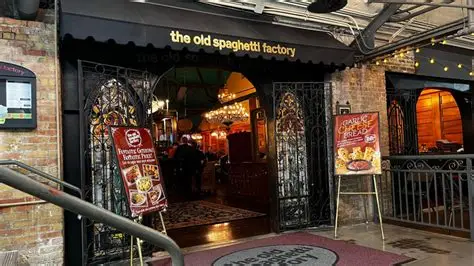
Spaghetti House Restaurants Close Across London With Immediate Effect
The announcement that Spaghetti House restaurants close permanently has shocked loyal customers across London and the wider UK hospitality industry. The iconic Italian restaurant chain, known for serving traditional pasta dishes for seven decades, has officially shut all remaining locations after falling into administration.
The family-run business confirmed the closures through a statement published on its official website. The company thanked customers, staff members, and business partners for supporting the restaurant throughout its long history.
The statement marked the end of one of London’s oldest Italian dining brands, which first opened its doors in 1955.
For many diners, the closure represents more than the loss of a restaurant chain. It also signals the end of a cultural landmark that introduced generations of customers to authentic Italian food in the heart of London.
Historic Italian Brand Ends 70-Year Legacy
The news that Spaghetti House restaurants close permanently ends a remarkable chapter in British restaurant history.
Founders Simone Lavarini and Lorenzo Fraquelli opened the first Spaghetti House restaurant on Goodge Street in central London during the mid-1950s. Their goal was simple: bring authentic Italian flavors and “la dolce vita” lifestyle to the British capital.
At a time when Italian cuisine remained relatively uncommon in the UK, the restaurant quickly attracted attention for its traditional recipes, welcoming atmosphere, and affordable dining experience.
Over the decades, Spaghetti House expanded across London and built a loyal customer base that included tourists, office workers, families, and theatre visitors.
Before the closures, the company operated restaurants in several major London locations, including:
- Marble Arch
- Carnaby Street
- Oxford Street
- Kensington High Street
- Cranbourn Street
The original Goodge Street location had already closed late last year, signaling deeper financial struggles within the business.
Now, the remaining restaurants have also shut their doors permanently.
Administration Forces Sudden Shutdown
The decision that Spaghetti House restaurants close came after the company reportedly entered administration.
Administration occurs when businesses face severe financial difficulties and cannot continue operating under existing conditions. Rising operating costs, changing customer habits, and economic uncertainty have placed enormous pressure on restaurant chains across the UK in recent years.
Hospitality businesses continue struggling with:
- Higher food prices
- Increased energy bills
- Rising staff wages
- Inflation pressures
- Reduced consumer spending
- Expensive city-center rents
Many independent restaurants and well-known chains have already disappeared from British high streets as a result.
Spaghetti House became the latest victim of the difficult economic climate affecting the hospitality sector.
Although the company did not publicly provide full financial details, industry experts believe long-term cost pressures and reduced profitability likely contributed to the collapse.
Loyal Customers React to Restaurant Closures
As news spread that Spaghetti House restaurants close, many long-time customers shared emotional reactions online.
Some customers remembered celebrating birthdays, anniversaries, and family gatherings at the restaurants over several decades. Others described the chain as one of the few remaining classic Italian dining experiences in central London.
Many former diners praised the restaurant for:
- Traditional pasta recipes
- Family-friendly atmosphere
- Consistent service
- Affordable meals
- Historic London charm
- Welcoming interiors
The closure also sparked nostalgia among people who visited the restaurants during childhood or while working in central London.
For tourists, Spaghetti House represented a recognizable and dependable dining option in some of the capital’s busiest areas.
Its disappearance highlights how rapidly London’s restaurant scene continues to evolve.
Spaghetti House Helped Popularize Italian Food in London
Long before Italian cuisine became mainstream in Britain, Spaghetti House played an important role in introducing traditional Italian dishes to UK diners.
The chain built its reputation around simple but authentic meals inspired by Italian family cooking traditions.
Popular menu items included:
- Spaghetti Bolognese
- Lasagna
- Carbonara
- Garlic bread
- Pizza
- Risotto
- Tiramisu
At a time when international cuisine options remained limited in Britain, restaurants like Spaghetti House helped transform dining culture in London.
The company embraced warm hospitality and relaxed dining experiences, helping Italian food gain popularity with British consumers during the second half of the twentieth century.
Over time, Italian restaurants became a major part of UK food culture, with pasta and pizza evolving into household favorites nationwide.
UK Hospitality Sector Continues Facing Pressure
The fact that Spaghetti House restaurants close reflects wider problems affecting the UK restaurant industry.
Hospitality businesses across Britain continue dealing with difficult trading conditions even as customer demand gradually recovers.
Several major challenges remain:
Rising Costs
Restaurants face increasing costs for ingredients, rent, utilities, and staffing. Many businesses struggle to maintain profitability while keeping menu prices affordable.
Changing Consumer Habits
Customers now spend more cautiously because of inflation and economic uncertainty. Many people also prefer takeaway or delivery services over traditional dining experiences.
Competitive Market
London’s restaurant industry remains one of the most competitive in the world. New dining concepts constantly enter the market, making survival harder for older chains.
Staff Shortages
Recruiting experienced hospitality workers continues to create difficulties for many businesses throughout the UK.
As a result, even long-established brands face significant pressure.
Central London Loses Another Historic Restaurant Name
The closure of Spaghetti House marks another loss for London’s historic dining scene.
Over recent years, several long-running restaurants and retail businesses have disappeared from central London due to changing economic realities and shifting consumer behavior.
Traditional family-owned establishments often struggle to compete against:
- Large international chains
- Luxury dining brands
- Delivery-focused businesses
- Rising commercial rents
- Online food platforms
For many London residents, the disappearance of historic restaurants changes the character of neighborhoods that once thrived on independent businesses and long-standing local brands.
The closure also raises concerns about preserving cultural and culinary heritage within rapidly changing city centers.
Staff and Suppliers Impacted by Closures
The announcement that Spaghetti House restaurants close also affects employees, suppliers, and surrounding businesses connected to the chain.
Restaurant closures often create ripple effects throughout local economies.
Workers now face uncertainty regarding future employment opportunities, while suppliers may lose long-term business partnerships built over decades.
Hospitality experts warn that continued restaurant closures could create wider challenges for the industry if economic pressures remain high throughout the year.
Many independent restaurant operators continue urging governments and landlords to provide greater support for struggling hospitality businesses.
Why Spaghetti House Became So Popular
Several factors helped Spaghetti House maintain its popularity for decades.
Family-Run Identity
Customers appreciated the restaurant’s traditional family-run atmosphere and authentic Italian identity.
Prime Locations
Restaurants operated in some of London’s busiest shopping and entertainment districts.
Affordable Dining
The chain offered reasonably priced meals compared to many central London competitors.
Consistent Experience
Loyal customers knew what to expect from the menu, service, and atmosphere.
These qualities helped the brand survive for generations despite major changes in the restaurant industry.
Key Takeaways From the Closure
Here are the biggest developments surrounding the shutdown:
- Spaghetti House permanently closed all remaining restaurants
- The chain operated for 70 years
- Financial difficulties forced the business into administration
- Five London locations shut immediately
- Customers reacted emotionally to the news
- Rising costs continue hurting UK hospitality businesses
- The closure marks another loss for London’s historic dining scene
Conclusion
The announcement that Spaghetti House restaurants close permanently brings an emotional end to one of London’s best-known Italian restaurant chains.
For 70 years, the family-run business served generations of customers while helping shape the city’s dining culture. Its closure reflects the enormous challenges currently facing the UK hospitality industry, especially for long-established restaurant brands.
Although the restaurants are now gone, Spaghetti House leaves behind a lasting legacy in British food history.
For many customers, the memories created around pasta dishes, family meals, and central London evenings will continue long after the final restaurant has closed its doors.