



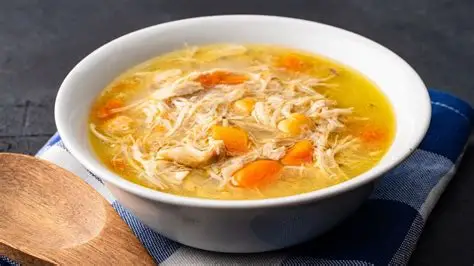
Healing Broth: Why Every Culture Turns Soup Into Comfort
Healing broth is one of the rare foods that feels both ordinary and sacred. It can be a clear bowl of chicken soup in a cold kitchen, a ladle of congee served to someone with a weak stomach, a beet-red borscht at a crowded family table, or pastina floating in Italian brodo when a child is too tired to eat anything heavier. The ingredients change, the language changes, and the rituals change. The emotion is almost universal.
Across cultures, healing broth has always done more than fill the body. It stretches ingredients when money is tight, softens food for the sick, warms people in winter, and turns care into something visible. When someone brings soup to a bedside, they are not only offering calories. They are saying: you are being looked after.
That is why the idea survives even in a world of meal-delivery apps, protein powders, supplements, and packaged convenience foods. People still return to broth when they feel unwell, lonely, cold, tired, or homesick because it carries memory as much as nutrition. A bowl of healing broth may not cure disease, and serious illness should never be treated with food alone, but its cultural power is real. Soup is practical comfort, and broth is the foundation beneath it.
A Simple Food With a Deep Human Pattern
The global story of healing broth begins with an old domestic problem: how to make the most of what is available. Bones, tough cuts of meat, vegetable trimmings, grains, herbs, roots, and spices can all become something nourishing when simmered slowly in water. Long before modern refrigeration and supermarkets, this was one of the smartest ways to extract flavour and value from limited ingredients.
That practicality explains why healing broth appears almost everywhere. In the United States, chicken noodle soup is closely linked with colds, childhood, and recovery. In Italy, pastina in brodo gives tiny pasta a soft, soothing base. Across parts of East and Southeast Asia, rice cooked down into congee becomes gentle food for breakfast, illness, or recovery. In Eastern Europe, borscht shows how a soup can become a symbol of family, land, and identity.
The details matter because no culture owns healing broth. Each version reflects local crops, climate, religion, economy, medicine, and family structure. A coastal community may use fish bones and seaweed, a farming household may use chicken and root vegetables, and a cold-weather region may prefer deep colour, acidity, and vegetables that store well through winter.
Food traditions often survive because they solve several problems at once. Healing broth is warm, hydrating, soft, adaptable, and relatively inexpensive. It can be served plain to someone who has little appetite or enriched with noodles, beans, eggs, vegetables, dumplings, herbs, rice, or meat when someone needs a fuller meal. That flexibility is one reason broth keeps crossing generations.
Stock, Broth and Bone Broth Are Not Exactly the Same
Many home cooks use the words stock and healing broth as if they mean the same thing. In everyday kitchens, that rarely causes a problem. Technically, however, the difference is useful.
Healing broth is usually made by simmering meat, vegetables, herbs, and seasonings in water. It is often lighter, more immediately drinkable, and commonly served as a finished food. Stock is more often made from bones and connective tissue, cooked long enough to extract gelatin and body. It is usually treated as a base for sauces, soups, stews, and risottos. Bone broth sits between food trend and old technique: it is generally bone-heavy, simmered for a long time, and consumed on its own.
| Term | Usual base | Typical purpose | Texture |
|---|---|---|---|
| Broth | Meat, vegetables, herbs, sometimes bones | Served as soup or light base | Clearer and lighter |
| Stock | Bones, connective tissue, aromatics | Cooking base for sauces and soups | Richer, sometimes gelatinous |
| Bone broth | Bones simmered for a long time | Sipped or used as a rich base | More collagen-derived body |
These distinctions should not make broth intimidating. In many households, healing broth is not measured like a laboratory recipe. It is made by instinct: a carcass after roast chicken, carrots, onion, celery, ginger, garlic, parsley stems, peppercorns, bay leaves, or whatever the family tradition allows.
What matters most is balance. A good healing broth should taste clean, rounded, and comforting, not so salty that it overwhelms everything else. Packaged broths can be high in sodium, and even homemade versions can become salty if reduced too far or seasoned too early.
Why Chicken Soup Became the World’s Famous Sick-Day Broth
Chicken soup may be the most famous example of healing broth in modern popular culture. Many families call it “Jewish penicillin,” “Italian penicillin,” or simply the food that appears when someone has a cold. The phrase is affectionate, not medical proof, but there is a reason chicken soup has remained so persuasive.
It brings together several comforting elements. Warm liquid can feel soothing on a sore throat. Steam may temporarily ease nasal discomfort. Salt and fluid can help when someone has a low appetite. Chicken adds protein. Vegetables add flavour, colour, and some micronutrients. Noodles or rice make the meal gentle and familiar.
There is also a small but often-cited scientific angle. A study published in the medical journal Chest found that chicken soup inhibited neutrophil movement in a laboratory setting, suggesting a possible mild anti-inflammatory effect. That does not prove that chicken soup cures a cold in people, and it should not be sold as treatment. Still, it helps explain why researchers have taken this old remedy seriously enough to study.
The emotional evidence is easier to understand. Chicken soup often arrives when the sick person is too tired to cook. That act of care may be part of the reason healing broth feels restorative. The bowl is warm, but so is the message behind it.
Italy’s Brodo: Small Pasta, Big Memory
In Italy, broth is not only a base. It can be a ritual. Pastina in brodo, tortellini in brodo, passatelli in brodo, and other regional versions show how a clear liquid can carry family history. The food is simple, but the meaning is layered.
Pastina is tiny pasta, often cooked directly in broth until soft. For children, it can be one of the first comfort foods. For adults, it can taste like childhood even decades later. Tortellini in brodo is especially associated with Emilia-Romagna and festive meals, where stuffed pasta sits in a carefully prepared meat broth. Passatelli, made with breadcrumbs, Parmigiano Reggiano, egg, and nutmeg, also belongs to the world of brodo and winter comfort.
Chef Dara Klein of Tiella has spoken about the emotional force of Italian broth traditions, particularly the way brodo connects memory, family, and regional cooking. That is a pattern seen far beyond Italy. Healing broth often becomes important not because it is elaborate, but because it is repeated. The same bowl appears after school, during flu season, at Christmas, after grief, or on a cold Sunday evening. Repetition turns food into memory.
Italian brodo also shows why clarity matters. A healing broth can be rich without being heavy. Long simmering, careful skimming, and patient seasoning create a liquid that supports pasta rather than drowning it.
Congee and the Comfort of Soft Food
Across China and many other parts of Asia, congee shows that healing broth does not always have to look like a clear soup. Congee is rice cooked slowly in water or broth until the grains soften and release starch, producing a porridge that can be thin, thick, plain, or deeply seasoned depending on region and household.
Congee is powerful because it is adaptable. It can be served plain with a little salt, ginger, or scallion, or enriched with chicken, fish, mushrooms, peanuts, pickles, sesame oil, or herbs. It can be breakfast, sick-day food, baby food, elder food, or recovery food.
Its strength lies in texture. When someone feels weak, the softness matters. A bowl of congee asks very little from the body. It is warm, easy to swallow, and easy to modify. In some families, the rice is cooked in plain water. In others, healing broth gives it extra depth. Either way, congee belongs to the same emotional family as healing broth because it turns simple ingredients into care.
Traditional Chinese food culture also connects soups with balance. The Huangdi Neijing, commonly known in English as the Yellow Emperor’s Inner Classic, is one of the foundational texts associated with traditional Chinese medicine. Its ideas about balance, seasons, and the body influenced later approaches to food and health. Modern readers should approach ancient medical systems carefully and not treat them as direct substitutes for contemporary medicine, but their cultural influence helps explain why soups, herbs, and broths remain so important in many Chinese households.
Borscht, Beetroot and Cultural Identity
Borscht proves that healing broth can also be political, historical, and deeply symbolic. Often associated with Ukraine and other parts of Eastern Europe, borscht is commonly made with beetroot, cabbage, potatoes, carrots, onions, herbs, and sometimes meat or beans. It may be served hot or cold, brightened with sour cream, sharpened with vinegar or fermented beet liquid, and adapted from family to family.
UNESCO placed the culture of Ukrainian borscht cooking on its List of Intangible Cultural Heritage in Need of Urgent Safeguarding in 2022. That recognition matters because it treats food not only as a recipe, but as a living cultural practice. Borscht is prepared, taught, argued over, adapted, and remembered. It belongs to kitchens as much as cookbooks.
In this way, borscht expands the meaning of healing broth. It is not only about illness. It can help people feel rooted during displacement, war, migration, or loss. A familiar soup can become a portable homeland. The taste of beetroot, dill, cabbage, garlic, or sour cream may reconnect someone with grandparents, village kitchens, harvest seasons, or a language they no longer hear every day.
That is the quiet power of soup traditions. A child learns by watching, stirring, tasting, and asking why this family uses beans while another uses beef. Through that process, culture remains alive.
What Makes Broth Feel Healing?
The healing feeling of broth comes from several forces working together. Some are physical. Some are emotional. Some are social. None needs to be exaggerated.
Warmth is the most obvious. Warm liquids can be soothing when the throat is irritated or the body feels chilled. Hydration matters when someone is unwell, especially if appetite is reduced. Salt can make fluids more appealing, though too much sodium is a concern for people with high blood pressure, kidney disease, heart disease, or other medical conditions. Protein, vegetables, grains, and herbs can turn broth into a balanced meal.
Then there is aroma. The smell of ginger, garlic, chicken, onion, dill, bay leaf, pepper, miso, seaweed, turmeric, tomato, or parsley can signal comfort before the first spoonful. Smell is closely linked with memory, which is why one pot of soup can send someone back to childhood faster than a photograph.
Finally, healing broth is often communal. Someone makes a pot large enough to share, sends soup to a neighbour, freezes portions for later, or insists that the sick person eat “just a little.” That social function is not secondary. It is part of the healing.
This does not mean healing broth is a miracle cure. It means food can support recovery, mood, appetite, and belonging in ways that are still meaningful. A responsible wellness article should be honest about both sides: broth can help people feel cared for, but it cannot replace medical care when symptoms are serious.
Nutrition: Useful, But Not Magical
The modern wellness industry has sometimes turned bone broth into a cure-all. That goes too far. Healing broth can be nutritious, but its value depends on ingredients, cooking method, portion size, and the rest of the diet. A thin vegetable broth is not the same as a gelatin-rich bone broth. A low-sodium homemade chicken soup is not the same as a canned soup with very high salt.
Harvard Health notes that bone broth can provide more protein than many standard broths or stocks, along with small amounts of minerals, but it should be seen as one part of a balanced diet. The simplest way to improve healing broth is to make it a real meal when needed: add vegetables, beans, lentils, noodles, rice, eggs, fish, chicken, tofu, herbs, or whole grains.
For everyday wellness, broth works best when it supports a broader pattern. Readers interested in this can explore The News Ink’s healthy lifestyle coverage, especially because long-term health depends on repeated habits rather than one fashionable ingredient. Broths with beans, vegetables, and whole grains can also connect with the benefits of dietary fibre, which supports gut health and can make soups more filling.
Sleep and recovery matter too. A warm bowl of soup at night may feel calming, but it is not a replacement for consistent rest. The News Ink’s sleep quality guide is a useful companion topic because food, rest, stress, and recovery often overlap.
The Safety Side of Homemade Broth
Because healing broth is often cooked in large batches, food safety matters. The USDA advises that cooked leftovers should generally be refrigerated within safe time limits and used within three to four days, or frozen for longer storage. That guidance is important for soups because a big pot can cool slowly if left on the stove.
Good habits are simple: cool large batches in shallow containers, refrigerate broth promptly, freeze portions if they will not be used within a few days, reheat thoroughly, taste for salt only after the broth has reduced, and label containers with dates.
Packaged broths also need attention. The FDA notes that many people consume more sodium than recommended, and soup products can contribute to that intake. Low-sodium or no-salt-added options give home cooks more control. This is especially important for people managing blood pressure or heart health.
Healing broth should feel comforting, not risky. Clean cooking, safe storage, and sensible seasoning protect the very people broth is often made for: children, older adults, and anyone recovering from illness.
Why Broth Survives Modern Food Culture
It is easy to assume that old kitchen traditions fade when life becomes faster. Yet healing broth fits modern life surprisingly well. It can be made in a slow cooker, pressure cooker, or stockpot. It uses leftovers, freezes well, and can be vegetarian, vegan, halal, kosher-style, gluten-free, spicy, mild, rich, or light.
Healing broth also appeals because people are tired of food that feels detached from memory. A packet may be convenient, but it does not always feel like care. Healing broth offers something different: a food with a person behind it. Someone chopped, simmered, skimmed, tasted, and waited.
That emotional labour is part of its value. In many households, broth has historically been made by mothers, grandmothers, aunties, and other caregivers whose expertise was rarely written down. Their knowledge lived in timing, smell, and instinct. How long to simmer. When to skim. Which herbs to add. Whether the sick child needs noodles or rice. Whether the elder wants it plain or sour. These decisions are culture in action.
This is where broth overlaps with travel, heritage, and identity. Readers interested in food as cultural memory may also enjoy The News Ink’s historical travel coverage, because dishes such as borscht, congee, and brodo are tied to migration, family history, and place. Food can be one of the most intimate ways people carry geography with them.
How to Build a Better Bowl at Home
A good healing broth does not need to be complicated. Start with a base, add aromatics, simmer gently, and season carefully. The best version depends on what the bowl is meant to do.
If the goal is comfort, keep it simple: chicken, onion, carrot, celery, bay leaf, pepper, and noodles. If the goal is warmth, add ginger, garlic, chilli, or black pepper. If the goal is a fuller meal, add beans, lentils, rice, noodles, tofu, eggs, fish, or shredded meat. If the goal is cultural connection, ask an older relative how they make it and write the recipe down before it disappears.
A useful formula is:
| Goal | Add to the broth | Result |
|---|---|---|
| Gentle sick-day meal | Rice, noodles, chicken, ginger | Soft and soothing |
| More protein | Eggs, beans, lentils, tofu, fish, chicken | More filling |
| More fibre | Beans, vegetables, barley, whole grains | Better satiety |
| Brighter flavour | Lemon, vinegar, herbs, dill, chilli oil | Fresher taste |
| Lower sodium | Herbs, spices, garlic, onion, low-salt base | More control |
The most important rule is to taste slowly. Healing broth changes as it reduces. Salt added early may become too strong later. Acid added at the end can brighten a flat soup. Herbs added near serving can make a simple broth feel alive.
A Bowl That Means Home
Healing broth endures because it carries a rare combination of usefulness and emotion. It can be cheap, but it does not feel poor. It can be simple, but it does not feel empty. It can be old-fashioned, but it still fits modern kitchens. It can comfort the sick, feed the tired, welcome the traveller, and remind families who they are.
Every culture has its version because every culture has needed the same things: warmth, nourishment, memory, and care. Chicken soup, brodo, congee, borscht, ramen, pho, caldo, sancocho, and countless other soups may look different, but they answer the same human need.
That is why a bowl of healing broth often feels larger than the ingredients inside it. It is food, medicine in the folk sense, family history, and quiet kindness in liquid form.
For more stories on culture, health, and everyday life, follow The News Ink on Instagram or explore our wider balanced lifestyle coverage.