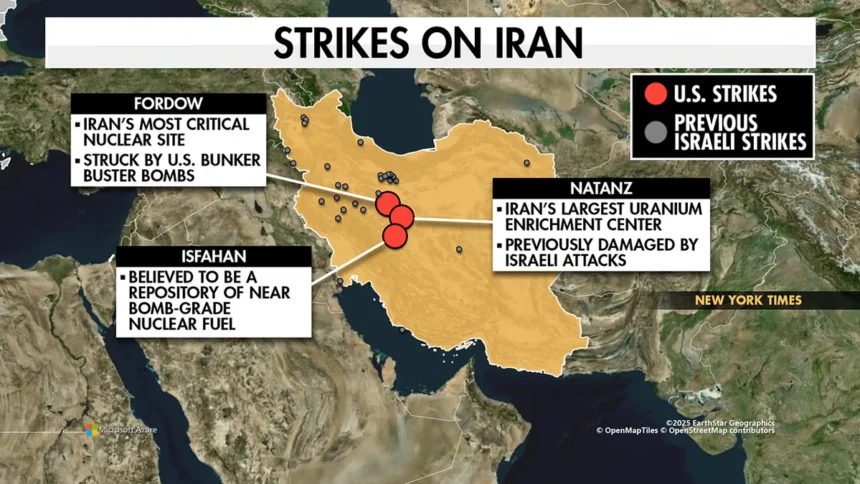
How the Iran Conflict Is Disrupting Global Travel
The Iran conflict has become more than a regional military crisis. It is now a global travel problem, affecting airspace, airports, airline schedules, insurance decisions and the confidence of passengers moving between Europe, Asia, Africa and the Middle East.
For travellers, the biggest challenge is uncertainty. A flight that appears available in the morning can be delayed, diverted or cancelled by evening if airspace closes or military activity intensifies. Airlines are constantly adjusting routes around high-risk areas. Governments are updating travel advice. Airports that normally operate as smooth global hubs can quickly become chokepoints when security risks rise.
The Middle East sits at the centre of several major aviation corridors. Dubai, Doha, Abu Dhabi, Muscat, Kuwait City, Bahrain and Tel Aviv are not only local destinations. They are connection points for long-haul passengers travelling between London and Singapore, New York and Delhi, Sydney and Europe, or Africa and East Asia. When the Iran conflict disrupts these routes, the impact travels far beyond the countries directly involved.
This is why the story matters even to people with no plan to visit Iran. A conflict-zone warning over Iran, Iraq or Lebanon can change the path of a commercial aircraft. A temporary closure in Qatar or the UAE can affect passengers connecting through Hamad International, Dubai International or Zayed International. Higher fuel costs can eventually appear in fares. Longer routes can mean missed connections, crew scheduling problems and aircraft delays across entire airline networks.
The safest approach is simple but serious: travellers should not rely on old social media clips, rumours or a single airline email. They should check official government travel advice, airline updates, airport notices and travel insurance terms before departure.
Why the Iran Conflict Matters to Global Aviation
The Iran conflict affects aviation because geography matters. Iran sits close to the Gulf, the Strait of Hormuz, Iraq, the Caucasus, South Asia and the eastern Mediterranean. These areas are not empty spaces on a map. They are used by commercial airlines, cargo operators, military aircraft and energy shipping routes.
When missiles, drones, air-defence systems or military aircraft are active near commercial corridors, regulators and airlines have to reconsider risk. The European Union Aviation Safety Agency has active conflict-zone information bulletins for parts of the region, including airspace linked to Iran, Iraq and Lebanon. These warnings do not always mean every nearby airport is closed, but they show why airlines may avoid certain corridors even when flights are technically possible.
The Iran conflict has also created a second problem: route congestion. Airlines already avoid Ukrainian airspace because of Russia’s war in Ukraine. Many Western carriers also avoid Russian airspace because of sanctions and political restrictions. If parts of the Middle East become unsafe or restricted, Europe-Asia flights have fewer efficient corridors left. That squeezes more aircraft into longer routes through Turkey, Central Asia, the Arabian Peninsula or the eastern Mediterranean.
For passengers, this can mean:
- longer flying times;
- higher fuel burn;
- delayed departures;
- missed connections;
- last-minute aircraft changes;
- fewer available seats;
- more expensive rebooking options;
- greater uncertainty around travel insurance.
This is why the Iran conflict is not only a security story. It is also a logistics story.
How Major Middle East Hubs Are Being Affected
Dubai, Doha and Abu Dhabi are among the world’s most important aviation hubs. They connect passengers from dozens of countries and serve as bases for Emirates, Qatar Airways and Etihad Airways. Any disruption in these cities can ripple across global travel.
Earlier waves of the Iran conflict led to airport closures, flight suspensions and widespread rerouting across the region. Some services later resumed, but airlines have continued to review schedules as the security picture changes. Passengers should understand the difference between “airport open” and “normal travel”. An airport may be open while some airlines still cancel flights, reroute aircraft, limit connections or delay departures.
Dubai International is especially important because it is one of the world’s busiest airports for international passengers. Even a short disruption can affect hundreds of onward journeys. The News Ink has already covered how Middle East flights were cancelled during earlier phases of the crisis, showing how quickly a regional security event can become a global passenger problem.
Doha is another sensitive hub because Qatar Airways depends on long-haul transfer traffic. Qatar’s geography also places it near military and energy infrastructure, increasing the importance of official security updates. The UK’s Qatar travel advice tells travellers to follow local authorities, monitor media and stay away from areas around military or security facilities.
Abu Dhabi and Dubai remain essential to UAE tourism and business travel. The US State Department currently lists the United Arab Emirates at Level 3, advising Americans to reconsider travel because of armed conflict and terrorism risks. The UK’s UAE travel advice should also be checked before booking or departure.
Latest Travel Situation by Country
The Iran conflict is not affecting every country in the same way. Some places face direct airspace restrictions. Others face higher security risk, airline caution or insurance complications.
| Country or area | Travel situation | What travellers should do |
|---|---|---|
| Iran | Highest-risk destination, with strong warnings from several governments | Avoid travel; citizens already inside should check embassy guidance |
| Israel and Palestinian Territories | Security situation remains unpredictable | Check official advice and airline status before any journey |
| Lebanon | High-risk environment linked to wider regional tensions | Avoid non-essential or all travel depending on nationality advice |
| UAE | Major hub, flights operating but risk warnings remain | Check Emirates, Etihad, airport and government updates |
| Qatar | Flights may operate, but regional risk remains fluid | Monitor Qatar Airways, Hamad Airport and official advice |
| Kuwait and Bahrain | Security risk elevated during regional escalation | Confirm flight status and government guidance |
| Oman | Often used as an alternative route, but still exposed to regional risk | Avoid assuming it is risk-free; check advisories |
| Jordan | Important regional route with elevated caution | Review official advice and avoid border or military-risk areas |
Iran is the clearest case. The US State Department advises Americans not to travel to Iran for any reason and says US citizens in Iran should leave immediately. The UK’s Iran travel advice also advises against all travel to Iran and warns British and British-Iranian dual nationals about serious detention risks.
Israel and Lebanon remain closely tied to the wider security picture. The UK’s Israel travel advice warns that the situation is unpredictable and that attacks could resume at short notice. Lebanon has long carried severe travel warnings from multiple governments because of conflict, political instability and risks linked to Hezbollah and cross-border escalation.
The Airline Problem: Rerouting Is Not Simple
When the Iran conflict forces airlines to avoid certain airspace, passengers often assume the airline can simply “fly around it”. Technically, that is true. Operationally, it is complicated.
A longer route can require more fuel, which changes aircraft weight and range planning. It can affect crew duty limits, because pilots and cabin crew can only work a certain number of hours. It can require new overflight permissions from other countries. It can create knock-on delays if aircraft and crews arrive late for their next scheduled route.
Cargo is affected too. The Middle East is a key region for air freight, including pharmaceuticals, electronics, luxury goods, perishables and e-commerce shipments. When passenger aircraft are delayed or rerouted, belly-cargo capacity can also be reduced. That may affect shipping costs and delivery times.
The Iran conflict also forces airlines to think about liability. Even if a route remains technically open, carriers may decide the risk is too high. Aviation history has made airlines and regulators more cautious about conflict-zone airspace. A route that saves fuel is not worth using if the security risk is unclear.
This is why travellers may see different decisions from different airlines. One carrier may restart flights while another continues suspensions. One airline may fly to Dubai but avoid certain overflight corridors. Another may cancel a route entirely for several weeks. These decisions depend on aircraft type, route network, national guidance, insurance, crew availability and internal risk assessments.
What Travellers Should Check Before Flying
Anyone travelling through the Middle East during the Iran conflict should prepare more carefully than usual. The old habit of checking in online and arriving at the airport is not enough.
Before departure, travellers should check:
- the official government travel advisory for their nationality;
- the airline’s latest travel alerts;
- the departure and arrival airport websites;
- transit rules if connecting through Dubai, Doha, Abu Dhabi or Muscat;
- travel insurance exclusions related to war, terrorism or government warnings;
- hotel cancellation policies;
- refund and rebooking rights;
- passport validity and visa rules;
- backup routes if a connection fails.
Travel insurance deserves special attention. Many policies exclude travel to destinations where a government advises against all travel or all but essential travel. Some policies also exclude losses linked to war, armed conflict or terrorism. Travellers should not assume that a standard policy will cover missed flights, evacuation costs or hotel bills during the Iran conflict.
Package holidays can be different from independent bookings. In some countries, customers may have stronger protections if official advice changes after booking. However, once a government warning is lifted or reduced, cancellation rights may narrow. This is why reading policy wording matters.
Why Dubai, Doha and Abu Dhabi Disruption Spreads Worldwide
The Iran conflict is disruptive because Gulf hubs are built around connections. A passenger flying from Manchester to Bangkok may never plan to enter the UAE, but if their journey connects through Dubai, a disruption at Dubai International becomes their problem. A passenger flying from New York to Nairobi through Doha depends on Qatar’s airspace and airport operations even if Qatar is not their final destination.
This hub model works brilliantly in normal times. It allows airlines to connect hundreds of city pairs through one airport. But during a security crisis, the same model can spread disruption quickly. If an aircraft cannot leave Dubai on time, it may miss its next flight from London. If crews are stranded in Doha, a later flight to Sydney may be delayed. If airspace changes require longer flight times, airlines may need to adjust schedules across multiple continents.
The News Ink’s coverage of Doha missile debris and Dubai missile explosions shows why passenger confidence can shift quickly when incidents occur near civilian areas. Even when airports reopen, travellers may remain cautious.
Tourism boards and hotels also feel the pressure. Dubai, Abu Dhabi and Doha rely heavily on international confidence. Business events, conferences, luxury travel, stopover holidays and family visits can all be affected when travellers fear sudden closures or insurance problems.
The Economic Effect: Fuel, Fares and Tourism
The Iran conflict also affects travel through energy markets. The Gulf region is central to global oil and gas supply. When military tensions rise near the Strait of Hormuz, markets often worry about shipping disruption. Higher oil prices can increase jet fuel costs, which are one of the biggest expenses for airlines.
The News Ink has reported on how global markets turned volatile as the conflict affected oil and gas prices. For airlines, sustained fuel pressure can eventually show up in fares, surcharges or reduced route profitability.
Tourism-dependent businesses face a different problem. Hotels, tour operators, restaurants, airport retailers, taxi firms and event organisers depend on stable passenger flows. If travellers postpone trips because of the Iran conflict, the loss is not limited to airlines. It spreads through the wider travel economy.
The effect can be uneven. Some destinations may lose visitors, while others gain from rerouted demand. Oman, Turkey, Saudi Arabia or parts of Europe may receive travellers avoiding higher-risk routes. But even alternative destinations can face pressure if airspace becomes crowded or flights are repeatedly adjusted.
Government Travel Advice Is Now Essential Reading
During the Iran conflict, official travel advice is not a formality. It can affect safety, insurance and consular support. Governments may advise against all travel, all but essential travel, or travel to specific regions. These categories matter.
The UK’s general foreign travel advice guidance explains that no foreign travel can be guaranteed safe and that advice is designed to help people make informed decisions. The US State Department similarly uses advisory levels to guide travellers, from normal precautions to “Do Not Travel”.
Travellers should not only check the country they are visiting. They should check transit points too. A person flying from Australia to Europe through Doha or Dubai may need to monitor Qatar or UAE advice even if they do not leave the airport. Transit disruption can still cause missed connections, overnight stays and insurance questions.
People already in affected countries should register for government alerts where available, keep phones charged, carry identification, follow local authorities and avoid military sites, border areas, protests and large gatherings. Families should also agree on a communication plan in case mobile networks or airport services are disrupted.
What Has Changed Since the First Shock
The first major travel shock of the Iran conflict was sudden and dramatic. Reports described airport closures, airspace restrictions and mass disruption across Middle East routes. Since then, some services have resumed and several advisories have been adjusted. That does not mean the risk has disappeared.
The current pattern is more complex. Flights may operate on one day and be reduced the next. Some airspace warnings may be withdrawn for one country while remaining active for another. A ceasefire or memorandum may lower immediate pressure, but regulators can still warn that the situation remains fragile.
This is why a responsible travel article should not tell readers that the entire Middle East is closed, or that everything is back to normal. Both claims would be misleading. The reality is more practical: the Iran conflict has created a fluid risk environment where travellers must verify details close to departure.
Airlines are better prepared for disruption than individual passengers, but even they cannot control every development. A sudden missile launch, drone strike, air-defence interception or government order can change operations quickly.
Practical Advice for Passengers
Travellers who must fly during the Iran conflict should build flexibility into every part of the journey.
Book longer layovers rather than tight connections. Avoid separate-ticket itineraries if possible, because one delayed flight can destroy the rest of the journey without full protection. Choose refundable hotel rates where affordable. Keep essential medication, chargers, documents and one change of clothes in cabin baggage. Save airline, hotel and embassy contacts offline. Avoid checking bags if a short trip allows it.
Travellers should also think carefully about destination choice. A holiday can be postponed more easily than an essential family, work or medical trip. If the journey is not urgent, waiting may be wiser than accepting uncertainty.
For those already booked, the best approach is to monitor updates daily in the week before travel and again on the day of departure. Do not rely only on old news reports. Airline apps, airport websites and government alerts are more useful than viral videos.
The Iran conflict is also a reminder that global travel depends on invisible systems: safe airspace, stable diplomacy, reliable energy supply, aircraft positioning, crew planning and passenger confidence. When one of those systems breaks, the effect spreads quickly.
The Bottom Line
The Iran conflict is disrupting global travel because it sits at the intersection of military risk, aviation geography and major international hubs. Iran’s location, the importance of Gulf airports and the density of Europe-Asia routes mean that regional escalation can affect passengers thousands of miles away.
For now, the safest message is caution without panic. Not every Middle East airport is closed, and many flights continue to operate. But the situation remains changeable. Travellers should check official advisories, review insurance, confirm airline updates and avoid assuming that yesterday’s schedule will hold tomorrow.
The Iran conflict has turned travel planning into risk management. For anyone flying through the region, flexibility is no longer optional. It is part of the journey.