Warming Oceans Raise Fears of Severe El Niño and Global Weather Chaos
The growing threat of El Niño extreme weather is raising concern among climate scientists as global sea temperatures continue climbing toward record levels. Experts now warn that warming oceans could trigger months of severe floods, droughts, wildfires, and dangerous heatwaves across multiple continents.
Recent climate data shows ocean temperatures in April reached the second-highest levels ever recorded for the month. Scientists believe these unusually warm conditions may signal the return of a strong El Niño system later this year.
The developing El Niño extreme weather pattern could reshape global climate conditions and intensify already dangerous environmental pressures caused by rising global temperatures.
El Niño Extreme Weather Threat Builds Across the Pacific Ocean
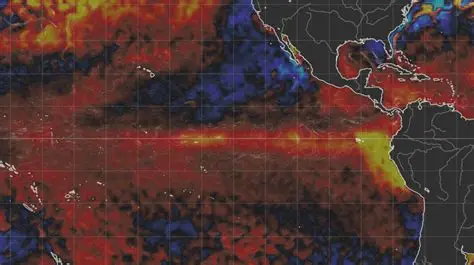
The El Niño extreme weather system begins in the tropical Pacific Ocean when sea surface temperatures become significantly warmer than average.
Scientists monitor this warming carefully because changes in Pacific Ocean temperatures can dramatically alter weather patterns worldwide.
Climate agencies recently reported:
- Record tropical Pacific sea temperatures
- Large marine heatwaves developing
- Rising global ocean temperatures
- Increased atmospheric instability
These signals suggest that conditions are becoming increasingly favorable for a new El Niño cycle.
El Niño Extreme Weather Could Intensify Global Heat
One major concern surrounding El Niño extreme weather is its ability to temporarily increase global air temperatures.
When El Niño combines with long-term climate warming, the effects can become even more severe.
Scientists warn the developing climate pattern may contribute to:
- Stronger heatwaves
- More destructive storms
- Severe drought conditions
- Increased wildfire risk
- Flooding in vulnerable regions
Previous El Niño years already produced some of the hottest temperatures ever recorded globally.
El Niño Extreme Weather and Rising Ocean Temperatures
Ocean temperatures remain one of the clearest warning signs connected to El Niño extreme weather.
Recent climate monitoring revealed that average sea surface temperatures across non-polar oceans reached nearly record-breaking levels during April.
Experts say the warming trend shows:
- Sustained global ocean heat
- Expanding tropical warming zones
- Strong atmospheric interaction
- Increased climate instability
These conditions create an environment where El Niño can strengthen more rapidly.
El Niño Extreme Weather Explained
El Niño is part of a natural climate cycle involving shifts between warming and cooling ocean conditions in the Pacific.
The cycle includes:
- El Niño — warmer Pacific waters
- La Niña — cooler Pacific waters
- Neutral periods between both phases
These climate patterns typically rotate every two to seven years.
During El Niño periods, warmer waters influence global wind systems and rainfall patterns, often leading to widespread climate disruptions.
El Niño Extreme Weather May Trigger Floods and Droughts
One of the most dangerous aspects of El Niño extreme weather is how differently it affects regions around the world.
Some areas may experience:
- Heavy rainfall
- Flooding
- Severe storms
While others face:
- Prolonged drought
- Water shortages
- Agricultural stress
- Increased wildfire conditions
Climate scientists say the uneven impacts make El Niño especially difficult for governments and communities to manage.
El Niño Extreme Weather Forecasts Continue to Strengthen
Several international climate organizations now believe El Niño conditions are increasingly likely later this year.
Forecast agencies estimate a strong possibility of:
- Continued Pacific Ocean warming
- Development of El Niño thresholds
- Intensification through late 2026
- Elevated climate risks into 2027
However, experts continue to caution that long-range climate forecasting remains uncertain.
El Niño Extreme Weather Predictions Face Uncertainty
Although signs point toward a developing El Niño system, scientists stress that climate predictions are never guaranteed.
One major forecasting challenge is known as the “spring predictability barrier,” which affects forecasting reliability during this part of the year.
This means:
- Climate models can vary significantly
- Timing remains uncertain
- Intensity predictions may change
- Regional impacts are difficult to predict early
Despite these uncertainties, many experts still believe dangerous climate conditions are likely ahead.
El Niño Extreme Weather and Marine Heatwaves
Scientists are also monitoring marine heatwaves linked to El Niño extreme weather conditions.
Large areas of unusually warm ocean water can damage marine ecosystems by causing:
- Coral bleaching
- Fish migration disruption
- Reduced biodiversity
- Ocean ecosystem stress
Researchers warn that ocean warming already appears severe even before a full El Niño pattern officially develops.
El Niño Extreme Weather Could Affect Food and Water Supplies
Extreme weather linked to El Niño often creates serious economic and humanitarian challenges.
Possible impacts include:
- Lower crop production
- Water shortages
- Food price increases
- Infrastructure damage
- Increased disaster response costs
Agricultural regions are especially vulnerable because changing rainfall patterns can severely affect planting and harvest seasons.
El Niño Extreme Weather and Climate Change
Scientists emphasize that El Niño itself is a natural climate cycle. However, modern climate change can amplify its impacts.
The combination of:
- Rising global temperatures
- Warmer oceans
- Strong El Niño conditions
can produce more extreme environmental outcomes than in previous decades.
Researchers continue studying how climate change interacts with natural climate systems.
El Niño Extreme Weather Already Influencing Global Conditions
Recent weather data already shows signs of unusual climate behavior across several regions.
Scientists observed:
Wetter Conditions In:
- Northeastern United States
- Canada
- Northern Mexico
- Southern China
- Japan
- Parts of Brazil
- Southern Africa
- New Zealand
Drier Conditions In:
- Southeastern United States
- Central Asia
- Australia
- Parts of South America
Experts say these shifting rainfall patterns reflect increasing climate instability.
El Niño Extreme Weather and Arctic Ice Loss
Another concerning climate signal involves declining Arctic sea ice levels.
Recent monitoring showed Arctic sea ice extent reached one of its lowest recorded levels for April.
Reduced sea ice contributes to:
- Faster warming in polar regions
- Changing ocean circulation
- Climate instability worldwide
Scientists view these developments as connected indicators of broader global climate stress.
El Niño Extreme Weather and Future Climate Risks
Climate experts now warn that the coming months could bring a series of environmental emergencies if ocean warming continues accelerating.
Potential risks include:
- Extreme heat records
- Larger wildfire seasons
- Dangerous flooding events
- Crop failures
- Marine ecosystem damage
Governments and emergency agencies are already preparing for possible climate-related disruptions.
Key Facts About El Niño Extreme Weather
What Is El Niño?
A climate pattern caused by unusually warm Pacific Ocean waters.
Main Risks:
- Heatwaves
- Droughts
- Flooding
- Wildfires
- Agricultural disruption
Why Scientists Are Concerned:
- Ocean temperatures are near record highs
- Marine heatwaves are expanding
- Global climate systems remain unstable
Final Thoughts on El Niño Extreme Weather
The growing threat of El Niño extreme weather is becoming one of the most important climate stories of the year.
Scientists around the world continue monitoring rapidly warming oceans as evidence builds that another major El Niño cycle may soon emerge. While uncertainty remains about its exact strength and timing, experts agree that the risks of severe climate disruption are increasing.
As global temperatures continue rising, the combination of El Niño and long-term climate warming could produce some of the most extreme environmental conditions seen in years.
The months ahead may test how prepared nations, communities, and global systems truly are for increasingly volatile weather patterns.