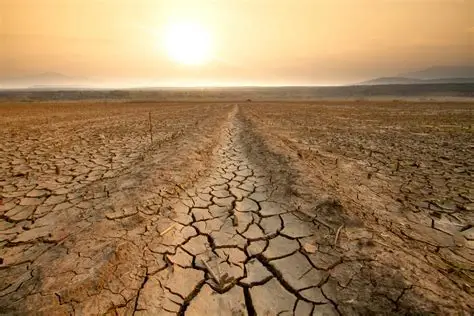
Super El Niño Could Reshape Global Weather With Floods, Heatwaves, and Droughts
Super El Niño conditions are increasingly likely to develop in the Pacific Ocean, raising concerns among climate scientists and meteorologists about major weather disruptions across the globe. Experts warn that Super El Niño could trigger floods, droughts, stronger storms, heatwaves, and wildfire risks in several regions during the coming months.
The developing climate pattern has already started changing ocean temperatures near the equator in the Pacific Ocean. Scientists believe these warming waters could eventually strengthen into a rare and powerful Super El Niño event capable of influencing weather systems worldwide.
If Super El Niño fully develops, millions of people may experience unusual and extreme weather conditions throughout the year.
What Is Super El Niño?
Super El Niño is an unusually strong version of the natural El Niño climate cycle that develops in the tropical Pacific Ocean every few years.
Under normal El Niño conditions, ocean surface temperatures in parts of the central and eastern Pacific Ocean rise above average levels. Scientists officially declare an El Niño when water temperatures climb at least 0.5 degrees Celsius above long-term averages.
A Super El Niño becomes much more serious because ocean temperatures rise more than 2 degrees Celsius above average.
These extreme warming conditions dramatically strengthen the climate system’s impact on global weather patterns.
Super El Niño events are rare, but when they occur, they often produce severe environmental and economic consequences around the world.
How Super El Niño Forms in the Pacific Ocean
Super El Niño develops through a complex interaction between the ocean and atmosphere.
Normally, trade winds push warm surface water westward across the Pacific Ocean. During Super El Niño conditions, those winds weaken or even reverse direction. As a result, unusually warm water spreads eastward toward the coast of South America.
Meteorologists call this a “coupled phenomenon” because the atmosphere and ocean continuously influence one another during the process.
Several important changes occur during Super El Niño formation:
- Warm ocean water moves eastward
- Trade winds weaken significantly
- Rainfall patterns shift globally
- Ocean heat rises closer to the surface
- Atmospheric pressure systems change
- Storm activity increases in some regions
Scientists are currently monitoring large areas of unusually warm water moving beneath the Pacific Ocean surface, which often signals the early stages of Super El Niño development.
Why Super El Niño Matters Globally
Super El Niño affects weather patterns far beyond the Pacific Ocean.
As ocean temperatures rise, atmospheric circulation changes across the planet. These changes can shift rainfall patterns, alter storm tracks, and increase temperature extremes in many regions.
Super El Niño can produce:
- Flooding in some countries
- Drought in others
- More powerful winter storms
- Heatwaves and record temperatures
- Increased wildfire risks
- Agricultural disruption
Because weather systems are interconnected globally, warming in one part of the Pacific Ocean can create ripple effects across continents.
Scientists often compare the process to falling dominoes because one atmospheric shift can trigger another around the world.
Super El Niño Could Increase Global Temperatures
One of the biggest concerns surrounding Super El Niño involves global warming.
Earth has already experienced record-breaking temperatures in recent years due to greenhouse gas emissions and climate change. Super El Niño could temporarily push global temperatures even higher.
Warm ocean waters release additional heat into the atmosphere, increasing the likelihood of:
- Record-breaking heatwaves
- Hotter summers
- Warmer winters in some regions
- Increased ocean temperatures
- Coral reef bleaching
Climate experts warn that a strong Super El Niño could make upcoming years among the hottest ever recorded globally.
The combination of human-caused climate change and natural ocean warming may intensify extreme weather conditions further.
Super El Niño Could Bring Flooding to Some Regions
While some areas may experience drought, others could face severe flooding during Super El Niño.
Heavy rainfall often develops in parts of:
- South America
- The southern United States
- Coastal Pacific regions
- East Africa
Warmer ocean temperatures can fuel stronger storm systems and increase atmospheric moisture, leading to more intense rainfall events.
Flooding during previous Super El Niño events caused widespread infrastructure damage, crop losses, and population displacement in several countries.
Urban areas with poor drainage systems may face especially high risks if rainfall intensifies rapidly.
Super El Niño Could Increase Drought and Wildfire Risks
Super El Niño does not impact all regions equally.
Some parts of the world often experience prolonged dry conditions during strong El Niño cycles. Reduced rainfall and hotter temperatures can increase drought severity and wildfire danger.
Regions vulnerable to drought during Super El Niño may include:
- Australia
- Southeast Asia
- Southern Africa
- Parts of Central America
Dry vegetation combined with extreme heat creates dangerous wildfire conditions.
Agricultural industries may also suffer because reduced rainfall can damage crops, limit water supplies, and disrupt food production.
Super El Niño May Influence Hurricane Activity
Meteorologists are also studying how Super El Niño could affect hurricane and tropical storm seasons.
In the Atlantic Ocean, strong El Niño conditions often increase upper-level winds that disrupt hurricane formation. This may reduce Atlantic hurricane activity in some years.
However, storm activity in the Pacific Ocean can become more active during El Niño conditions.
Weather experts continue analyzing how the developing Super El Niño may influence future storm patterns across different ocean basins.
Super El Niño Impacts Could Affect Everyday Life
Super El Niño does not only influence weather forecasts. Its effects can reach many parts of daily life and the global economy.
Possible impacts include:
- Higher food prices
- Water shortages
- Energy demand increases
- Transportation disruptions
- Fishery damage
- Public health concerns
Extreme heat and flooding can also strain healthcare systems and increase the spread of certain diseases.
Scientists warn that climate-related disruptions connected to Super El Niño may create economic losses worth billions of dollars globally.
Scientists Continue Monitoring Super El Niño Development
Although signs of Super El Niño continue strengthening, scientists say uncertainty still remains.
Forecast models strongly suggest El Niño conditions will develop during the coming months, but the exact intensity remains unclear.
Meteorologists use computer models, ocean temperature measurements, wind observations, and atmospheric data to track the system.
However, forecasting El Niño during the spring season can be especially difficult because of a phenomenon called the “spring prediction barrier.”
This forecasting challenge reduces the accuracy of long-range climate predictions during certain months of the year.
As a result, experts continue monitoring conditions closely before confirming whether the event will officially qualify as a Super El Niño.
Super El Niño Could Affect Agriculture Worldwide
Agriculture remains one of the industries most vulnerable to Super El Niño conditions.
Extreme weather can reduce crop yields, damage farmland, and disrupt global food supply chains.
Potential agricultural impacts include:
- Reduced wheat production
- Lower rice harvests
- Livestock stress from heat
- Water shortages for irrigation
- Increased pest activity
Farmers in drought-prone regions may face especially difficult conditions if rainfall decreases significantly.
Meanwhile, excessive rainfall and flooding can damage crops in wetter regions.
Global food markets often react strongly to weather disruptions linked to major climate events.
Super El Niño May Harm Marine Ecosystems
Ocean ecosystems could also face significant pressure during Super El Niño.
Warmer water temperatures can trigger coral bleaching, which happens when corals become stressed and lose essential algae that help them survive.
Marine life may also experience:
- Fish migration changes
- Reduced oxygen levels
- Habitat disruption
- Food chain imbalances
Fishing industries in several countries could suffer economic losses if fish populations shift away from traditional fishing areas.
Scientists continue studying how repeated warming cycles may permanently alter marine ecosystems over time.
Communities May Need to Prepare Early
Emergency planners and governments often begin preparing months in advance when Super El Niño risks increase.
Preparation efforts may include:
- Flood prevention planning
- Wildfire readiness
- Water conservation measures
- Agricultural support programs
- Disaster response coordination
Early forecasting allows communities to strengthen infrastructure and prepare resources before extreme weather intensifies.
Experts encourage residents in vulnerable areas to stay informed about changing weather forecasts during strong climate cycles.
Final Thoughts on Super El Niño
Super El Niño is rapidly becoming one of the biggest climate concerns for the coming year as warming Pacific Ocean temperatures continue intensifying.
Scientists warn that Super El Niño could reshape global weather patterns by increasing floods, droughts, heatwaves, and wildfire risks across multiple continents. The developing climate system may also push global temperatures even higher while affecting agriculture, marine ecosystems, and economies worldwide.
Although uncertainty remains regarding the exact strength of the event, meteorologists continue monitoring ocean and atmospheric conditions closely.