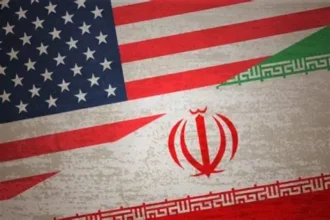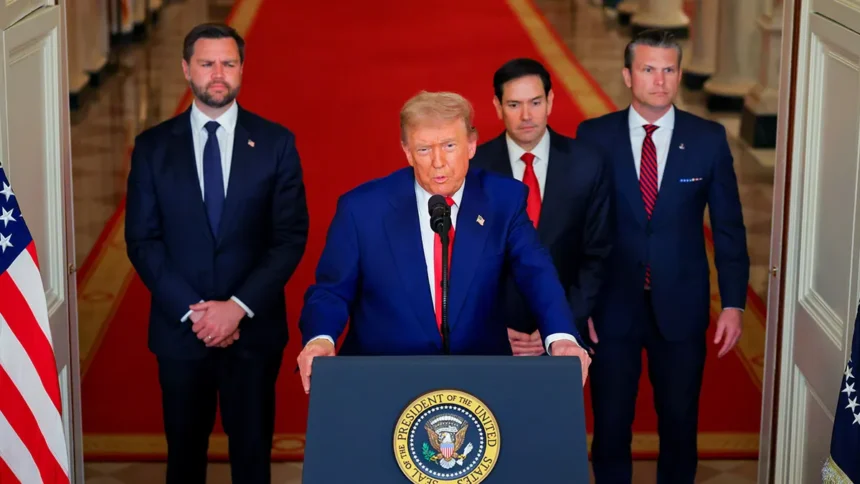
The growing crisis between the United States and Iran has exposed divisions between Washington and its NATO partners. While former US President Donald Trump warned that failing to secure the Strait of Hormuz could harm the future of NATO, several allies have shown clear hesitation about becoming involved.
Trump’s remarks suggested that NATO members should support the United States in protecting the crucial shipping route. However, many officials in Europe disagree with that approach.
Former UK military chief Nick Carter emphasized that NATO exists as a defensive alliance. According to him, the organization was never meant to support a member state’s voluntary military campaign.
European Allies Push Back
European leaders have openly questioned the idea of NATO involvement in the conflict with Iran.
Germany made its position clear. A government spokesperson stated that the conflict has no connection with NATO’s mission. Meanwhile, German Defence Minister Boris Pistorius doubted whether European naval forces could contribute anything significant.
He argued that a small number of European ships could not achieve what the powerful US Navy already struggles to accomplish.
These responses highlight the tension between Washington and its allies. Relations between the United States and several NATO partners have become increasingly strained since Trump returned to office.
Strait of Hormuz Crisis Raises Global Concerns
Despite disagreements, the situation in the Gulf continues to worsen. Iran has effectively restricted traffic through the Strait of Hormuz, allowing only a limited number of ships to pass. Most of those vessels carry Iranian oil to partners such as India and China.
This blockade threatens global energy supplies because the narrow waterway handles a large share of the world’s oil shipments.
Although the crisis followed the US decision to confront Iran, Western governments now face pressure to find a solution quickly. Any prolonged disruption could damage the global economy.
No Immediate Solution in Sight
British Prime Minister Keir Starmer confirmed that discussions with the United States, European countries, and Gulf partners continue. However, he admitted that governments have not yet reached a concrete decision.
The UK plans to support operations using modern autonomous mine-hunting systems already deployed in the region.
Traditionally, the Royal Navy relied on specialized mine-clearing ships. However, none currently operate in the Gulf because one of the main vessels recently returned to the UK for maintenance.
Instead, British forces plan to deploy new sea-based drones that can detect and destroy naval mines without putting sailors in danger.
Minesweeping Challenges Remain
Clearing naval mines remains one of the biggest obstacles in securing the Strait of Hormuz.
Former Royal Navy commander Tom Sharpe warned that the new British systems have not yet faced real combat conditions. The coming weeks may determine whether the technology works effectively.
Historically, mine-clearing operations require patience and time. The last large-scale naval de-mining mission happened after the Gulf War in 1991. At that time, Western forces spent more than fifty days removing mines placed by Iraq near Kuwait.
Military experts also point out that many navies reduced investments in minesweeping over the past decades.
Even the United States Navy has begun retiring its specialized Avenger-class minesweepers. New vessels and unmanned systems will replace them, but these technologies still require further testing.
A Growing Strategic Test
The Iran crisis has become a serious test for Western alliances. The United States seeks support to protect a vital global shipping route, but several NATO members remain cautious.
Without unity and effective naval capabilities, the situation in the Strait of Hormuz could remain unstable for months.
For now, diplomats and military planners continue searching for a workable strategy to reduce tensions and restore safe passage for international shipping.