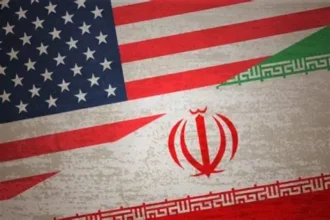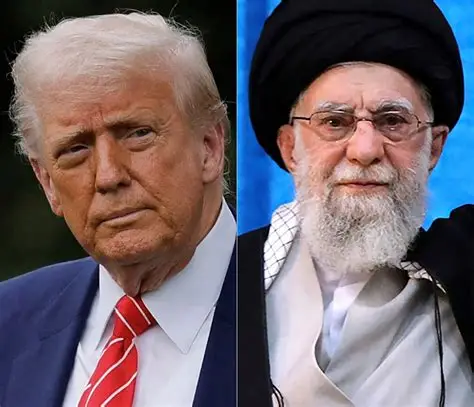
US President Donald Trump seems increasingly focused on finding a way to wind down tensions with Iran. Yet his strategy remains unclear. Trump’s recent actions suggest he is considering both a military escalation and a negotiated settlement simultaneously.
Mixed Signals from Washington
Within hours this week, the Pentagon deployed ground troops to the region while US negotiators delivered a 15-point peace plan to Tehran. The White House urged Iran to accept the proposal but also warned of unprecedented retaliation if the plan is rejected, creating confusion about the administration’s intentions.
Former officials and allied advisors, speaking on condition of anonymity, expressed concern that the president lacks a fully developed plan. “It’s clear Trump hasn’t thought through all of this,” said one former senior administration official.
White House Press Secretary Karoline Leavitt emphasized the president’s resolve: “President Trump does not bluff and is prepared to unleash hell. Iran should not miscalculate again.”
Iran Rejects Peace Proposal
Iran has dismissed the US plan, raising questions about whether both countries are engaged in serious negotiations. The unfolding situation highlights the limits of US influence over the conflict’s direction.
A critical challenge is securing the Strait of Hormuz, which channels roughly 20% of global oil and gas exports. Despite more than three weeks of conflict, the US has yet to prevent Iranian attacks on commercial vessels. Trump’s appeals for NATO support remain unanswered.
Stephen Hadley, former national security adviser to President George W. Bush, explained: “The president faces a serious problem in the Strait of Hormuz. Without control, claiming victory will be difficult. His failure to consult allies complicates support.”
Political Divisions in the US
In Washington, uncertainty over the next phase of the conflict grew as more details of the US peace plan emerged. House Speaker Mike Johnson voiced confidence, suggesting the military operation would conclude quickly.
However, some Republicans criticized the recent deployment of over 1,000 paratroopers to Iran. Congresswoman Nancy Mace condemned the move after a classified briefing: “I will not support troops on the ground in Iran,” she said.
House Armed Services Committee Chairman Mike Rogers also raised concerns that lawmakers are not receiving sufficient information from the Pentagon, underscoring growing divisions within the Republican Party between hawks and anti-interventionists.
Conclusion
Trump’s approach to Iran combines pressure and diplomacy, leaving both allies and critics uncertain. While the administration seeks a rapid resolution, the dual strategy of military escalation and peace negotiations has intensified debate and raised stakes across the Middle East and within the US political landscape.