Fashion in 2026 is evolving beyond seasonal collections. It is being shaped by sustainability, digital influence, shifting consumer values, and technological innovation. According to industry analysis, brands are prioritizing resilience, sustainability, and digital transformation more than ever.
Here are the defining fashion trends shaping 2026.
Sustainable Fashion Becomes the Standard
Sustainability is no longer optional — it’s expected.
The Business of Fashion Sustainability Index shows that consumers increasingly demand transparency and eco-conscious materials.
Expect to see:
-
Recycled and organic textiles
-
Circular fashion models (resale & rental platforms)
-
Reduced water and carbon footprints
-
Ethical sourcing transparency
9 Companies with Great Environmental Initiatives
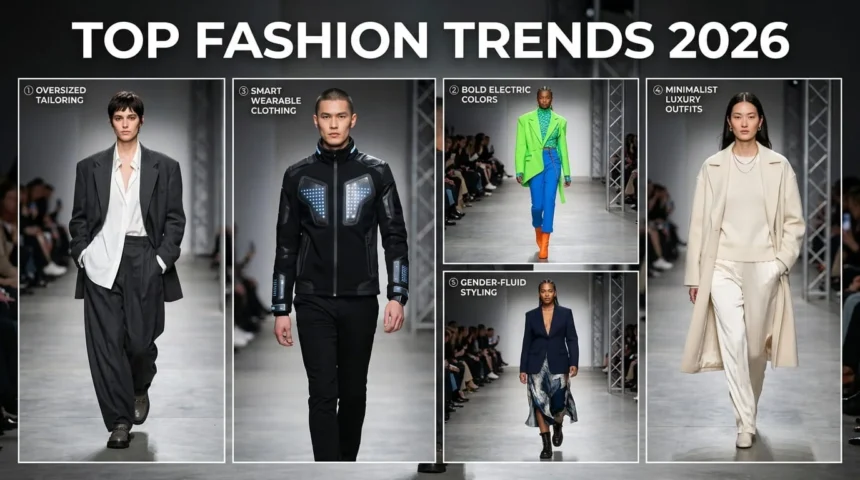
Smart & Tech-Integrated Clothing
Wearable technology is blending into everyday fashion.
According to reporting by Forbes Technology (https://www.forbes.com/sites/forbestechcouncil/), smart textiles and AI-assisted design are expanding rapidly.
Innovations include:
-
Temperature-adaptive fabrics
-
Biometric monitoring wearables
-
NFC tags for digital authentication
-
AI-powered personalization tools
Fashion is merging with the tech industry in meaningful ways.
Relaxed Tailoring Dominates Workwear
Hybrid work culture continues influencing style choices.
The fashion coverage from Vogue Business, highlights a shift toward softer tailoring and comfort-driven office attire.
Trending elements:
-
Oversized blazers
-
Wide-leg trousers
-
Soft-structured suits
-
Monochrome neutral palettes
Professional dressing now prioritizes flexibility and movement.
Bold Colors & Digital Influence
Social media aesthetics are pushing brighter, more photogenic fashion.
Trend forecasting agency WGSN (https://www.wgsn.com/) identifies saturated hues and digital-inspired prints as key drivers for upcoming seasons.
Expect:
-
Electric blues and vibrant oranges
-
Metallic finishes
-
Hyper-real digital graphics
-
Gradient layering techniques
Fashion brands are designing with online visibility in mind.
Y2K & 90s Revival (Refined)
Nostalgia remains powerful in 2026.
Analysis from The Business of Fashion notes that Gen Z continues embracing retro elements — but with updated tailoring and higher-quality fabrics.
Key pieces:
-
Cargo skirts
-
Platform footwear
-
Baggy denim
-
Statement sunglasses
The difference in 2026? A more structured and elevated approach.
Gender-Fluid Fashion Expands
Major luxury houses and independent brands are expanding gender-neutral collections.
Reports from Reuters Fashion & Retail show increasing investment in inclusive design and unisex styling.
Growing trends:
-
Androgynous tailoring
-
Fluid silhouettes
-
Neutral color palettes
-
Cross-category runway shows
Fashion is increasingly focused on expression over categorization.
7️⃣ Quiet Luxury & Minimalist Investment Pieces
The “quiet luxury” movement continues its dominance.
Coverage from Harper’s Bazaar and Financial Times Fashion highlights consumers shifting toward quality over logos.
Signature elements:
-
Premium natural fabrics
-
Timeless tailoring
-
Logo-free designs
-
Neutral tones (beige, ivory, charcoal)
Consumers are buying fewer but better pieces.
Trend Overview Table
| Trend | Core Feature | Industry Driver |
|---|---|---|
| Sustainable Fashion | Eco materials & transparency | Consumer environmental awareness |
| Smart Clothing | Integrated tech & AI | Innovation growth |
| Relaxed Tailoring | Comfort-driven suits | Hybrid work culture |
| Bold Colors | Digital-inspired palettes | Social media influence |
| Retro Revival | 90s & Y2K refinement | Gen Z nostalgia |
| Gender-Fluid Style | Unisex collections | Cultural shift |
| Quiet Luxury | Timeless minimalism | Investment dressing trend |
Why 2026 Fashion Is Different
According to McKinsey’s industry outlook, brands that combine sustainability, digital innovation, and consumer trust are expected to outperform competitors.
Unlike fast-changing micro-trends of previous years, 2026 emphasizes:
-
Longevity
-
Ethical production
-
Digital integration
-
Identity-driven fashion
The future of fashion is strategic, inclusive, and technology-aware.