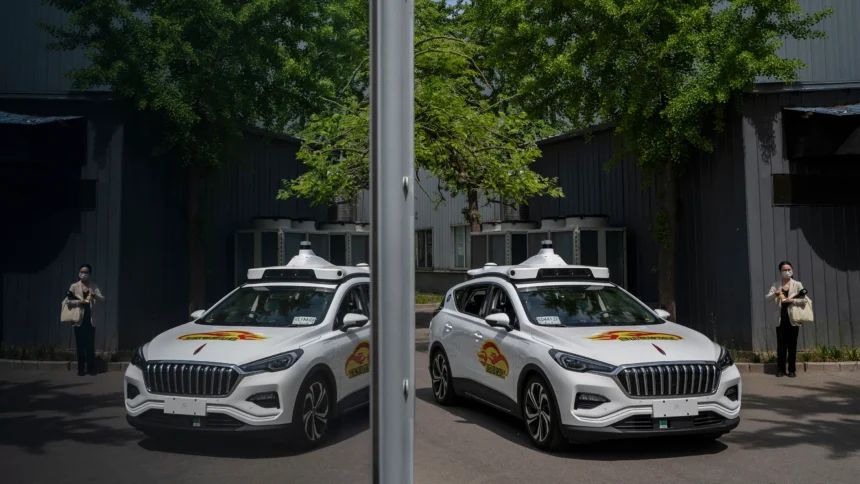
A large-scale robotaxi failure in Wuhan brought traffic to a standstill after more than 100 self-driving vehicles suddenly stopped on busy roads.
Authorities confirmed that a system malfunction caused the disruption. Several cars halted in the middle of traffic, leading to congestion across key routes. Although some online footage appeared to show a collision on a highway, officials reported no injuries. Passengers safely exited the vehicles.
The incident involved robotaxis operated by Baidu through its autonomous driving platform, Apollo Go. The company has not yet issued an official response, while investigations into the cause continue.
The outage has sparked fresh debate about the reliability of autonomous vehicles. Experts say that while driverless technology may reduce human error, it introduces new types of risks. Sudden system failures, like this one, highlight the need for improved safety systems and better emergency handling.
Baidu’s robotaxi service operates in multiple cities, and global expansion plans are already underway. Partnerships with Uber and Lyft aim to test the technology in the United Kingdom, pending regulatory approval.
Similar incidents have occurred before, including service disruptions in San Francisco and an accident in Chongqing. These events continue to raise questions about the future of autonomous transport.