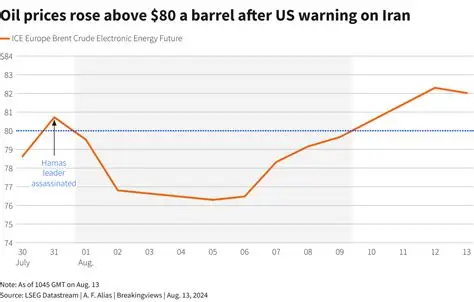
Global oil prices have climbed back above $100 per barrel as uncertainty grows around possible talks between the United States and Iran.
In Asian trading, Brent crude oil rose by about 4%, reaching $103.94 per barrel. This rebound followed a sharp drop earlier, showing how sensitive energy markets remain to geopolitical developments.
Conflicting Signals Drive Market Volatility
Oil prices dropped significantly after Donald Trump delayed potential military action against Iranian energy infrastructure. He stated that discussions between Washington and Tehran had been productive.
However, Iranian officials denied holding any talks. They described the claims as misleading and accused the US of trying to influence global markets.
These conflicting statements created uncertainty, which quickly pushed oil prices higher again.
Tensions Around the Strait of Hormuz
The situation escalated after warnings about the Strait of Hormuz, a critical global shipping route. Around 20% of the world’s oil and liquefied natural gas supplies pass through this narrow channel.
Earlier threats to target infrastructure and block the route caused oil prices to spike to $113 per barrel. Since then, disruptions linked to the ongoing conflict have kept markets on edge.
Impact of the Ongoing Conflict
Since late February, tensions involving the United States, Israel, and Iran have driven sharp price swings in global energy markets.
Investors reacted quickly to every development. Oil prices dropped when diplomatic signals appeared, but they surged again as uncertainty returned.
Stock Markets Show Signs of Stability
Despite recent volatility, Asian stock markets showed some recovery. Japan’s Nikkei 225 rose by 0.8%, while Hong Kong’s Hang Seng Index gained 1.6%. South Korea’s KOSPI increased by 2.2%.
These gains followed sharp declines earlier, as many Asian economies rely heavily on energy imports passing through the Strait of Hormuz.
Global Response to Rising Energy Costs
Governments have started taking steps to reduce the impact of rising fuel prices. The United States temporarily eased sanctions on some Russian and Iranian oil shipments already at sea to improve supply.
Meanwhile, China adjusted its fuel pricing plans to limit the burden on consumers as energy costs rise.
What Lies Ahead
Oil markets remain highly unpredictable. Prices will likely continue to fluctuate as geopolitical tensions evolve and supply concerns persist.
Any confirmed diplomatic progress could stabilize prices. However, further conflict or disruption in key shipping routes may push oil prices even higher.