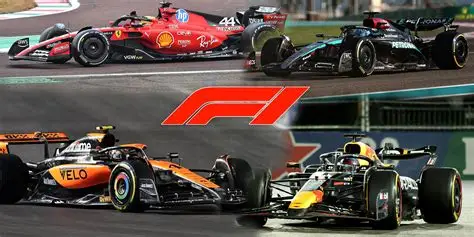
Formula 1 starts a new chapter this week at the Australian Grand Prix in Melbourne. The race takes place at the popular Albert Park Circuit, a track many in the sport love for opening the season.
The 2026 season introduces major changes. New cars, new engines, new tyres and new fuel will shape the championship. At first glance, the cars may look similar. However, the technology underneath has changed dramatically.
Fans are eager to see how the season unfolds. Drivers such as Lando Norris, Max Verstappen, and George Russell are expected to play key roles in the title fight.
Major Rule Changes Bring Uncertainty
The new technical rules aim to reshape the sport. One major goal was to attract more manufacturers to Formula 1.
The engine design has been simplified. At the same time, the electric component now plays a much larger role. This shift helped bring the Volkswagen Group into Formula 1.
The German brand Audi has joined the sport by taking over the Sauber Formula One Team. This marks the first time the Volkswagen Group has officially competed in Formula 1.
Another major development is the return of Ford Motor Company, which now partners with Red Bull Racing. Meanwhile, General Motors has entered the championship with a new team under the Cadillac name.
New Engine System Changes Racing Strategy
The 2026 engines split power almost evenly between combustion and electrical energy. This creates a new challenge for teams and drivers.
The electric motor can now deliver 350 kW of power. That equals about 470 horsepower. However, the battery size remains nearly the same as before.
As a result, cars may run low on energy during laps. Teams must carefully manage battery usage during races.
To help solve this issue, Formula 1 introduced movable front and rear wings. These wings reduce drag on straights and improve energy recovery.
Drivers also have access to new power modes. A “boost” mode provides short bursts of maximum power. An “overtake” mode allows drivers within one second of another car to recover more energy and gain extra power.
Drivers Concerned About New Driving Style
The increased focus on energy management has created concerns among drivers. Many say the new system forces unusual driving techniques.
Cars will charge and drain their batteries multiple times during a single lap. A car with a full battery may produce nearly double the power of one with low energy.
This difference could affect racing dramatically. In some situations, overtaking may become extremely easy. In others, it could be very difficult if both cars have similar energy levels.
Fans and experts are unsure how this will impact the spectacle of racing. The first race in Australia should give the world its first real answers