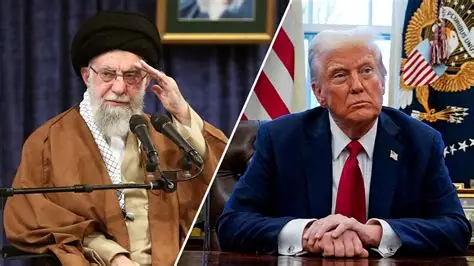
DONALD TRUMP and his administration have delivered conflicting messages about the ongoing military campaign against Iran. Ten days into the joint operation with Israel, uncertainty remains over the war’s timeline and objectives.
On Monday, Trump spoke to several reporters in an effort to calm markets after stock prices fell and oil surged earlier in the day. During one interview, he said he had a plan for everything and that the situation was “very complete.” He also claimed the operation was “ahead of schedule.”
However, when asked if the conflict could end soon, the president gave no clear answer. Later the same day, he suggested the military campaign might continue and warned that the United States could intensify strikes if Iran threatened oil tankers in the Persian Gulf.
Markets React to Uncertainty
Trump’s comments briefly reassured investors. Stock markets rebounded and oil prices dropped from about $120 per barrel earlier in the day to below $90.
Despite this, economic concerns remain. Shipping traffic through the Strait of Hormuz has slowed sharply because of security risks. The disruption has pushed global energy prices higher.
In the United States, the average gasoline price has risen to about $3.48 per gallon, nearly 50 cents higher than a week earlier.
Confusion Over Military Goals
Further confusion emerged after remarks from Pete Hegseth. In a recent interview, he said the campaign could expand and involve heavier weapons such as large gravity bombs.
Trump later insisted both views could be true. He described the operation as the beginning of building a “new country.” Critics note that this idea resembles nation-building efforts the administration has previously rejected.
Political and Economic Pressure
The rising cost of fuel and economic uncertainty could affect public opinion. Polls show many Americans already worry about the cost of living.
These concerns come at a sensitive time politically. The United States will hold crucial midterm elections in November, which will determine control of Congress.
Some voters already question the war’s impact on the economy. Rising energy prices and fears of recession have made the conflict a key issue for many Americans.