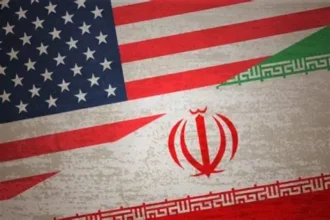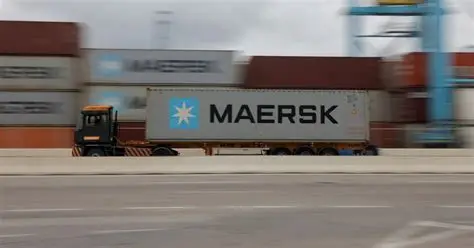
The ongoing conflict involving Iran, Israel, and the US is driving up shipping costs, and Maersk’s CEO, Vincent Clerc, has warned that consumers will ultimately bear the impact. Maersk, the world’s second-largest shipping company, moves millions of containers carrying goods like electronics, clothing, and toys. Clerc explained that the company’s standard contracts automatically pass fuel cost fluctuations to customers.
“Ultimately, these increases will pass to our customers and on to consumers,” Clerc told the BBC.
The war has disrupted two major shipping routes, leaving global trade in turmoil. Many shipping lines are avoiding the Red Sea, forcing longer voyages around the Cape of Good Hope. These extended journeys, combined with higher oil prices, are creating additional inflationary pressures worldwide.
Clerc emphasized the priority of crew safety, noting the continued threat of drone attacks in the Strait of Hormuz. The UN’s International Maritime Organization reports at least seven seafarers have been killed since the conflict began, highlighting the risks to essential maritime workers.
China has also summoned Maersk executives to discuss rising freight charges, with some container shipments seeing cost increases of 15–20%. Clerc acknowledged that delays are affecting imports of essential goods, including food, and while land transport solutions are being used, they cannot fully replace shipping capacity.
The disruption demonstrates how geopolitical tensions in the Middle East can directly affect global consumers, supply chains, and prices on store shelves.