The rapidly escalating conflict involving Iran is now affecting international travel across the Middle East. Airlines, governments and travellers are reacting quickly as attacks disrupt airports and airspace in several countries.
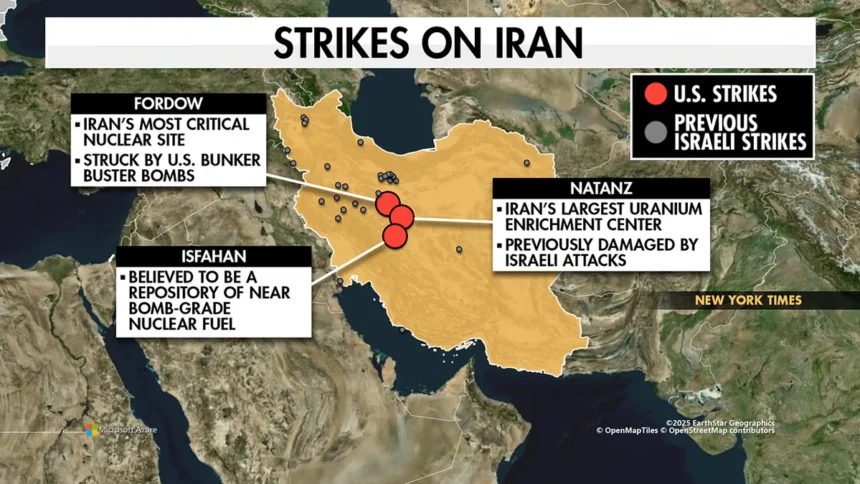
On 28 February, a joint US-Israeli military operation called Operation Epic Fury targeted Iran and reportedly killed the country’s leader, Ayatollah Ali Khamenei. After the initial strike, tensions spread across the region.
Military activity has already impacted more than a dozen nations. Drone strikes have hit strategic locations, including a Royal Air Force base in Cyprus and several countries within the Gulf Cooperation Council (GCC).
For travellers, the conflict has created uncertainty, airport closures and widespread travel warnings.
Major Travel Hubs Under Threat
The conflict has affected some of the Middle East’s busiest travel destinations. Several attacks targeted civilian areas and major airports in Dubai, Abu Dhabi and Doha.
Debris from drone strikes damaged Dubai International Airport, the world’s busiest airport for international travellers. Authorities closed the airport for three days, leaving hundreds of thousands of passengers stranded.
A projectile also struck the luxury Fairmont The Palm hotel in Dubai, sparking a fire. Videos of the incident quickly spread across social media.
Travel risk experts say the attacks surprised many observers.
Dr John Rose, Chief Risk Advisor at travel management firm ALTOUR, said strikes against the UAE were unexpected because the country has long been viewed as one of the safest destinations in the region.
Dubai alone welcomed nearly 20 million international travellers in 2025, highlighting its global tourism importance.
Governments Issue Urgent Travel Warnings
As tensions continue, governments worldwide are issuing stronger travel advisories.
The United States has urged its citizens to leave several Middle Eastern countries immediately. The advisory covers 14 nations across the region.
Authorities warn that the situation is changing quickly. Conditions may shift hour by hour depending on military developments.
Travellers planning trips to the Middle East should closely monitor government updates and airline notices.
Latest Travel Situation by Country
Iran
All civilian flights to and from Iran have stopped. The country closed its airspace shortly after the first strikes.
The US, UK, Canada and Australia have issued their highest-level travel warnings. Canada also warned that its ability to assist citizens inside Iran is extremely limited.
Some travellers are leaving through land borders into Turkey and Armenia, which remain open.
United Arab Emirates
Iranian strikes hit Dubai International Airport and Zayed International Airport in Abu Dhabi. Both airports are slowly restoring operations.
Major airlines have started limited flights again. Emirates resumed departures from Dubai, while Etihad Airways restarted services from Abu Dhabi.
Airlines are offering free rebooking options. The UAE government is also covering food and accommodation for more than 20,000 stranded travellers.
However, several countries still advise against non-essential travel to the UAE.
Qatar
Authorities intercepted several Iranian attacks aimed at civilian targets, including Doha Hamad International Airport.
The airport remains closed because Qatar shut its airspace. Governments including the US and UK have issued shelter-in-place orders for citizens inside the country.
Australia and Canada currently recommend avoiding all travel to Qatar.
Oman
Some travellers are driving from the UAE to Oman, where flights are still operating.
However, Iranian drones recently struck Duqm commercial port, surprising analysts because Oman had been mediating peace discussions.
Travel warnings vary by country. Some governments advise avoiding non-essential travel, while others urge citizens to leave as soon as possible.
Israel
Israel continues exchanging strikes with Iran and Hezbollah forces in Lebanon.
Air raid sirens frequently sound across major cities, including Tel Aviv. Israel temporarily closed its main airport, Ben Gurion Airport, due to airspace restrictions.
Limited flights may resume soon, but governments still warn against travel.
Lebanon
Lebanon already carried high travel warnings before the latest escalation.
The US ordered non-essential embassy staff to leave days before the strikes. Authorities now urge citizens to depart while commercial flights remain available.
Many governments say the security situation may remain unstable for an extended period.
Kuwait and Bahrain
Both countries closed their airspace after Iranian strikes.
Governments including the UK recommend sheltering in place while advising travellers to avoid non-essential visits.
The US is urging citizens to leave both nations immediately.
Travel Uncertainty Continues
Experts believe travel disruptions may continue for weeks. Military activity could affect flights, airports and tourism across the region.
Travellers should monitor airline updates and government travel advisories before planning trips to the Middle East.
Flexibility, travel insurance and real-time updates are now essential for anyone travelling through the region.