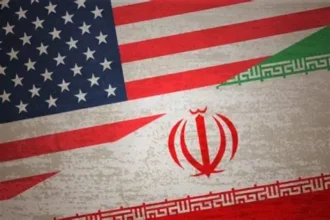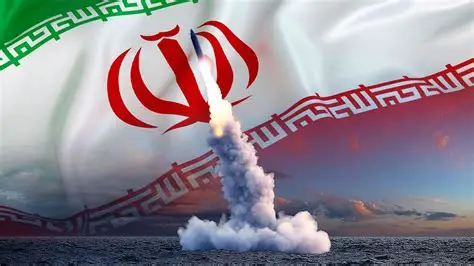
Two weeks after the start of a major military campaign against Iran, the global consequences continue to grow. The operation targeted Iran’s ballistic missiles, naval forces, and suspected nuclear facilities. The goal was to prevent the country from developing nuclear weapons and reduce its military power.
However, the crisis has expanded rapidly. The Iranian government remains in power and has responded with new attacks. The conflict now threatens stability across the Middle East and could affect the global economy.
For ordinary Iranians, the situation has become extremely difficult. Many people face fear and uncertainty as violence spreads across the country.
Iran’s Complex Military and Political Landscape
Iran presents unique challenges for military operations. The country is vast and geographically complex. It is larger than Iraq and Afghanistan combined, two countries where past military interventions lasted for years.
Many of Iran’s strategic assets, including nuclear facilities, are spread across the country. Some sites are hidden deep inside mountain bunkers, making them difficult to destroy.
Iran also has a population of more than 90 million people. The population is diverse and includes Persians, Azerbaijanis, Kurds, Arabs, and several other ethnic groups.
The Islamic government has ruled since 1979. It has strong political structures and remains deeply rooted in the country despite internal protests.
Conflict Spreads Across the Middle East
The conflict began with heavy strikes on Iran’s air defence systems, missiles, and drone bases. Several Iranian naval vessels were also destroyed in the Gulf. Key leaders, including Iran’s Supreme Leader Ali Khamenei, were reportedly killed during the initial attacks.
Soon after, Iran launched missiles and drones targeting Israel and American military bases in the region. Several Gulf countries became involved as the conflict expanded beyond Iran’s borders.
In Lebanon, fighting between Israel and the Iran-backed group Hezbollah resumed. The clashes ended a fragile ceasefire that had been in place since late 2024.
The conflict also spread further across the region. Missile launches toward Turkey were intercepted, while drone attacks targeted Azerbaijan. A British military base in Akrotiri was hit, and a naval incident occurred near Sri Lanka.
International observers warn that wars rarely remain confined to one country. As fighting spreads, the risk of wider regional instability grows.
Civilian Fear Grows in Iran
At the start of the conflict, some Iranians believed the strikes could weaken the ruling government. Early reports showed small groups celebrating after hearing news of leadership losses.
But as civilian casualties increased, optimism quickly turned into fear.
One air strike reportedly hit a primary school in Minab, killing many civilians, including children. Another attack destroyed a residential building in eastern Tehran, leaving rescue teams searching through the rubble for survivors.
For millions of people in Iran, daily life has now become dominated by uncertainty, fear, and the growing impact of war.