CHINA has reduced planned fuel price increases to protect drivers from rising energy costs. Authorities stepped in after global oil prices surged due to tensions involving Iran.
The disruption in the Strait of Hormuz has pushed fuel prices higher worldwide. In China, petrol prices have already increased by around 20% since the conflict began.
Government Adjusts Price Increases
Officials initially planned significant price hikes for petrol and diesel. However, regulators decided to cut the increases by nearly half.
The new pricing aims to reduce financial pressure on more than 300 million drivers who depend on fuel for daily transport.
Supply Pressure and Public Reaction
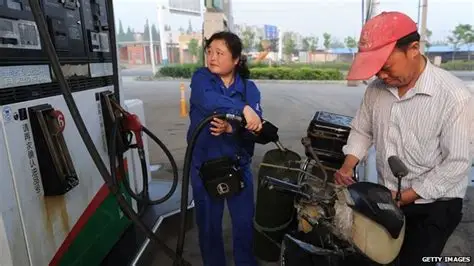
Fuel shortages have started to affect several cities. Long queues formed at petrol stations, and some locations reported running out of fuel.
Despite the adjustment, this marks the fifth and largest fuel price rise in China this year.
Oil Prices and Strategic Reserves
Global oil prices remain volatile. Brent crude recently crossed $100 per barrel, reflecting uncertainty in supply and demand.
China has built large oil reserves over time. The country has taken advantage of lower prices in the past to secure supplies, especially from Gulf nations.
Saudi Arabia and Iran remain key suppliers. Reports suggest China holds reserves covering several months of imports, helping it manage short-term disruptions.
Steps to Stabilize the Market
Authorities have taken additional measures to control domestic prices. Reports indicate that refineries received orders to pause fuel exports temporarily, ensuring adequate local supply.
These actions aim to maintain stability in the economy and protect consumers from sudden price spikes.
Regional Response Across Asia
Other Asian countries have also introduced measures to reduce fuel consumption.
-
In the Philippines, authorities reduced workdays for government employees.
-
Sri Lanka introduced weekly public holidays to conserve energy.
-
Thailand and Vietnam encouraged remote work.
Meanwhile, Japan and South Korea face increased pressure due to their reliance on imported energy passing through key shipping routes.
Looking Ahead
China continues to balance supply, demand, and price stability. While its reserves offer some protection, ongoing global tensions could keep energy markets uncertain.
The government’s latest move highlights its effort to support consumers while managing broader economic challenges.