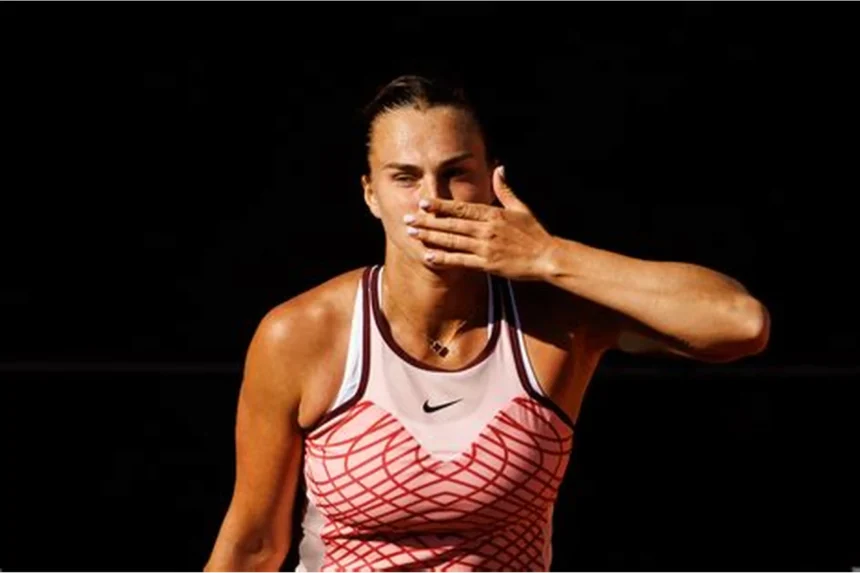
Aryna Sabalenka French Open Protest Sparks Major Debate Over Prize Money
The Aryna Sabalenka French Open protest became one of the biggest talking points ahead of this year’s tournament as top tennis players demanded better prize money, improved welfare support, and a greater share of Grand Slam revenue.
World number one Aryna Sabalenka led a coordinated player movement during pre-tournament media day. Several top stars limited their press conferences to just 15 minutes to symbolize the 15% revenue share players currently receive from the French Open.
The protest highlighted growing frustration among players who believe tournaments generate massive profits while athletes receive an unfair portion of the income.
Players also want organizers to improve healthcare benefits, pension contributions, scheduling policies, and consultation processes.
The action sent a strong message before one of tennis’ biggest events and showed unusual unity in a sport known for its individual competition.
Why the Aryna Sabalenka French Open Protest Happened
The Aryna Sabalenka French Open protest focused on revenue distribution and player rights.
Sabalenka shortened her media appearance after spending only a few minutes speaking with broadcasters and reporters. Other leading players followed the same approach to support the movement.
The 15-minute limit represented the 15% revenue share that players currently receive from the French Open. Athletes believe that percentage is too low considering their role in attracting fans, sponsorships, and television audiences.
Top players have reportedly asked Grand Slam tournaments to increase player revenue sharing to 22% by 2030.
The protest was not only about money. Players also expressed concerns about demanding schedules, late-night matches, and lack of communication from tournament organizers.
Top Tennis Stars Joined the Protest
Several of tennis’ biggest names supported the coordinated action alongside Sabalenka.
Players involved included:
- Jannik Sinner
- Iga Swiatek
- Coco Gauff
- Taylor Fritz
The participation of multiple Grand Slam champions and world number ones increased attention on the issue.
Many fans and analysts viewed the protest as one of the strongest displays of player unity in recent tennis history.
Aryna Sabalenka Emerges as a Strong Voice
Aryna Sabalenka has become one of the leading voices in discussions surrounding player rights and tournament revenue.
During her media session, Sabalenka explained that players still respect journalists and media responsibilities. However, they wanted tournament officials to understand the seriousness of their concerns.
The Belarusian star recently suggested that players could eventually boycott a Grand Slam tournament if organizers continue to ignore their demands.
That possibility has increased pressure on tournament officials to continue negotiations with player representatives.
Sabalenka’s leadership role carries significant weight because she currently stands at the top of women’s tennis rankings and remains one of the sport’s most influential figures.
What Tennis Players Are Demanding
The Aryna Sabalenka French Open protest reflects broader concerns within professional tennis.
Players want several important changes across the sport.
Main Demands From Players
- Higher prize money percentages from Grand Slam revenue
- Better pension systems for retired players
- Improved healthcare support
- More maternity benefits for female players
- Better scheduling and fewer late-night matches
- Greater involvement in tournament decisions
- More financial support for lower-ranked athletes
Many players believe the current system benefits tournament organizers more than the athletes who compete.
Lower-ranked players especially struggle with travel costs, coaching expenses, hotel bills, and medical treatment throughout the season.
Several top stars now argue that professional tennis needs a more sustainable financial structure.
Coco Gauff Praises Player Unity
Reigning French Open champion Coco Gauff praised the collective effort shown by players during the protest.
Gauff explained that unity is rare in an individual sport like tennis because players usually focus on their own careers and schedules.
However, she said the current issues affect the entire tour, especially athletes outside the top rankings.
Many lower-ranked players face financial uncertainty despite competing professionally around the world.
The growing gap between tournament revenue and player earnings has become a major concern within the sport.
Jannik Sinner and Taylor Fritz Support the Movement
World number one Jannik Sinner also supported the protest and suggested players feel disrespected during discussions with tournament officials.
Meanwhile, Taylor Fritz admitted that players acted because they felt ignored despite ongoing conversations.
Fritz avoided making direct boycott threats but acknowledged stronger action could become necessary if organizers fail to respond.
Their comments showed that frustration exists across both the men’s and women’s tours.
Novak Djokovic Supports Player Rights
Although Novak Djokovic did not officially join the media protest, he publicly supported the players’ overall position.
Djokovic has regularly spoken about player welfare and financial inequality in tennis throughout his career.
The Serbian legend emphasized that only a small number of professional players earn enough money to sustain long careers comfortably.
He also stressed the importance of creating better opportunities for athletes outside the elite rankings.
Djokovic’s support added credibility to the movement because of his experience and influence within the sport.
Grand Slam Revenue Debate Continues
The Aryna Sabalenka French Open protest has intensified discussions surrounding Grand Slam revenue.
Tournament organizers have increased prize money in recent years, but players believe those increases still fail to reflect the tournaments’ commercial success.
This year’s French Open prize money reportedly increased by 9.5%. However, players point out that other Grand Slam tournaments recently announced even larger increases.
Examples include:
- The US Open increased prize money by 20% last year
- The Australian Open raised payouts by nearly 16% earlier this year
Despite these increases, players still argue they deserve a larger share of overall tournament revenue.
Scheduling and Player Welfare Remain Major Issues
Player welfare has become another important topic connected to the Aryna Sabalenka French Open protest.
Athletes continue to raise concerns about:
- Late-night finishes
- Tight match schedules
- Mental exhaustion
- Injury risks
- Long tournament calendars
Some matches in recent seasons ended after midnight, creating difficult recovery situations for players.
Many athletes believe better communication with tournament officials could help improve scheduling decisions while protecting player health.
French Open Officials Respond to the Protest
French Open tournament director Amelie Mauresmo admitted she felt disappointed by the protest but remained optimistic about future discussions.
Officials are expected to continue negotiations with player representatives during the tournament.
Both sides appear willing to keep talking instead of escalating the conflict immediately.
However, the possibility of stronger action still exists if players believe their concerns remain ignored.
Could Players Boycott a Grand Slam?
The possibility of a boycott remains one of the biggest questions following the Aryna Sabalenka French Open protest.
Several players avoided directly discussing future action, but some admitted stronger measures may eventually become necessary.
A Grand Slam boycott would represent a historic moment in professional tennis and could significantly impact the sport’s commercial structure.
For now, players seem focused on negotiation and collective pressure rather than immediate confrontation.
Still, the coordinated media protest showed that top athletes are increasingly willing to organize together for change.
Key Takeaways From the Aryna Sabalenka French Open Protest
Important Highlights
- Players limited media duties to 15 minutes
- The protest symbolized the current 15% revenue share
- Players want revenue sharing increased to 22% by 2030
- Aryna Sabalenka became one of the movement’s leading voices
- Coco Gauff, Jannik Sinner, and Taylor Fritz joined the protest
- Novak Djokovic supported player rights despite not participating
- Welfare, scheduling, and pensions remain major concerns
- Boycott discussions continue to grow within the sport
Final Thoughts
The Aryna Sabalenka French Open protest highlighted growing tension between players and Grand Slam organizers.
Top tennis stars united to demand fairer prize money distribution, stronger welfare protections, and greater involvement in decisions affecting the sport.
The protest also revealed increasing frustration among players who believe tournaments continue to profit heavily while athletes face demanding schedules and financial pressure.
As negotiations continue, the tennis world will closely watch whether organizers respond to player demands or risk deeper conflict in the future.
Read more tennis updates at The News Ink Sports Section