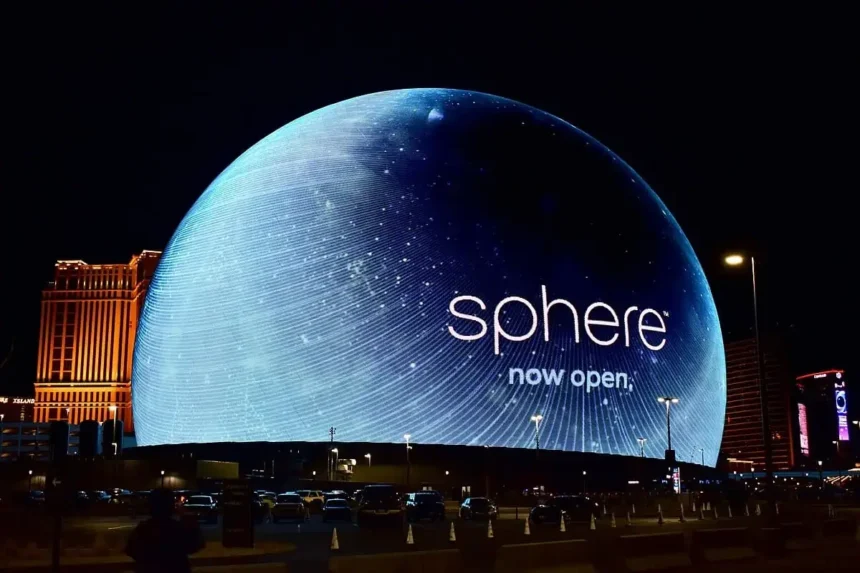
A new style of entertainment is gaining attention, and it promises to transform how people experience live shows and films. Immersive dome venues, such as the Las Vegas Sphere, offer audiences a fully engaging visual environment that surrounds them from every angle.
Visitors often describe the experience as unforgettable. One fan, Danielle Renee, attended a show featuring the Backstreet Boys and felt amazed by the combination of music and visuals. Massive digital displays covered the interior, creating scenes that made the audience feel like they were traveling through space.
Unlike traditional concerts, this format blends performance with advanced graphics. The venue’s curved screen wraps around viewers, turning every seat into part of the action. Fans do not just watch the show—they feel like they are inside it.
This concept is not limited to one venue. Companies like Cosm are building similar dome-style spaces across the United States. These venues allow audiences to watch sports events or films such as The Matrix with enhanced visual effects that fill the entire viewing space.
Supporters believe this approach represents the future of entertainment. They argue that immersive environments deliver deeper emotional engagement and create memorable experiences that standard cinemas cannot match.
However, some experts remain cautious. New technologies in entertainment have faced similar excitement before. For example, 3D cinema once promised to change movie-going forever but struggled to maintain long-term popularity.
The Sphere itself required a huge investment, costing billions to build. At first, many questioned whether it could succeed financially. Some early visitors even found the experience overwhelming or unnecessary.
Despite these concerns, the venue has started to show positive results. New shows and performances have helped attract larger audiences, and the business has begun to generate profit.
Researchers like Manel González-Piñero from the University of Barcelona suggest that while the concept is impressive, not every viewer needs such an intense experience. For some, traditional movies remain enough.
Even so, the Sphere acts as a working model for future innovation. Plans are already in place to build smaller versions in other cities. These “mini domes” aim to bring immersive entertainment to a wider audience.
Still, experts question whether these venues will succeed everywhere. Cities with different cultural preferences may not respond the same way as Las Vegas, which thrives on bold and experimental attractions.
For now, immersive dome entertainment stands at a turning point. It could redefine how people enjoy concerts, films, and live events—or it could remain a niche experience reserved for specific locations.