Authorities in Angola have brought serious charges against two Russian nationals accused of attempting to influence the country’s political direction.
Igor Ratchin and Lev Lakshtanov were arrested in August and now face multiple charges. These include terrorism, espionage, and influence peddling.
Allegations of Political Interference
Prosecutors claim the pair ran a coordinated campaign to trigger anti-government protests. Authorities also accuse them of spreading disinformation and trying to interfere in Angola’s upcoming presidential election.
According to investigators, their actions formed part of a wider effort to shift the country’s political direction.
Links to Wider Networks
Officials allege the two men worked for a network known as Africa Politology. This group reportedly emerged after the decline of the Wagner Group, once led by Yevgeny Prigozhin.
Such networks have operated across several African countries, including the Central African Republic and Mali. Authorities believe these operations aim to expand Russian influence in the region.
Defence Rejects Claims
The defence team strongly denies the accusations. Lawyers argue that the case lacks solid evidence and relies on speculation.
They state that the two Russians had no connection to political networks or the Russian government. Instead, they claim the pair worked on a cultural project to establish a “Russian House” in the capital.
Geopolitical Context
Angola’s global position makes it strategically important. The country produces significant amounts of oil and diamonds, attracting international interest.
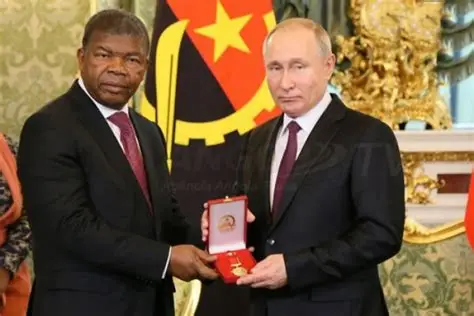
Relations between Russia and Angola date back decades. However, ties have weakened in recent years under President João Lourenço, who has strengthened links with Western nations.
Sanctions linked to the war in Ukraine forced major Russian companies to withdraw from Angola. This shift has added to changing geopolitical dynamics.
Additional Defendants
Two Angolan nationals will also stand trial. Prosecutors allege they assisted in carrying out the operation within the country.
Their legal representatives reject the claims and argue that authorities have not presented sufficient evidence.
What Happens Next
The case highlights growing concerns about foreign influence in African politics. The trial will play a key role in determining whether the accusations hold up in court.
As Angola prepares for future elections, the outcome could shape both domestic politics and international relations.