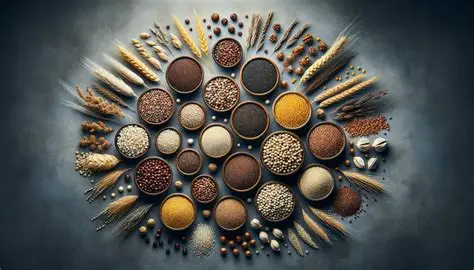
Ancient grains surge in popularity as nutrient powerhouses. Varieties like quinoa and spelt remain largely unchanged for centuries, unlike selectively bred modern wheat. But do they truly outperform everyday grains?
Grains fuel our diets with fiber, carbs, and protein. Health experts recommend half as wholegrains—retaining bran, endosperm, and germ packed with B vitamins, iron, protein, and fiber. Wholegrain pasta beats refined versions in antioxidants and taste.
Refining mills away bran and germ for baking appeal and shelf life. Refined grains lose fiber and nutrients. Wholegrain diets slash risks of type 2 diabetes, high blood pressure, and cancers like colorectal and pancreatic.
Finnish researcher Rilla Tammi notes healthy wholegrain eaters often enjoy fruits, veggies, and fish while skipping red meat—confounding pure grain benefits. Ancient grains intrigue with wild ancestry.
Modern wheat evolved from teosinte grass and ancient emmer/spelt through millennia of breeding for yield and taste. Quinoa boasts complete protein and antioxidants; spelt packs fiber, minerals, and zinc.
Ancient vs Modern Breakdown
-
Fiber/Protein: Ancient often 50% higher twobrothersfood
-
Gluten: Lower, weaker in many ancient types twobrothersfood
-
Minerals: Richer iron, magnesium, zinc aarp
-
Glycemic Index: Lower for steady energy